Hello, Sunshine on a Plate!
Hey there, friend! Chef Emily here, coming at you from a kitchen that’s currently covered in a fine dusting of farro and smelling like roasted garlic and lemon. Have you ever opened your fridge, seen a rainbow of spring veggies staring back at you, and thought, “I want to eat ALL of you, but I also don’t want to wash seven different pans”? Yeah, me too. Constantly.
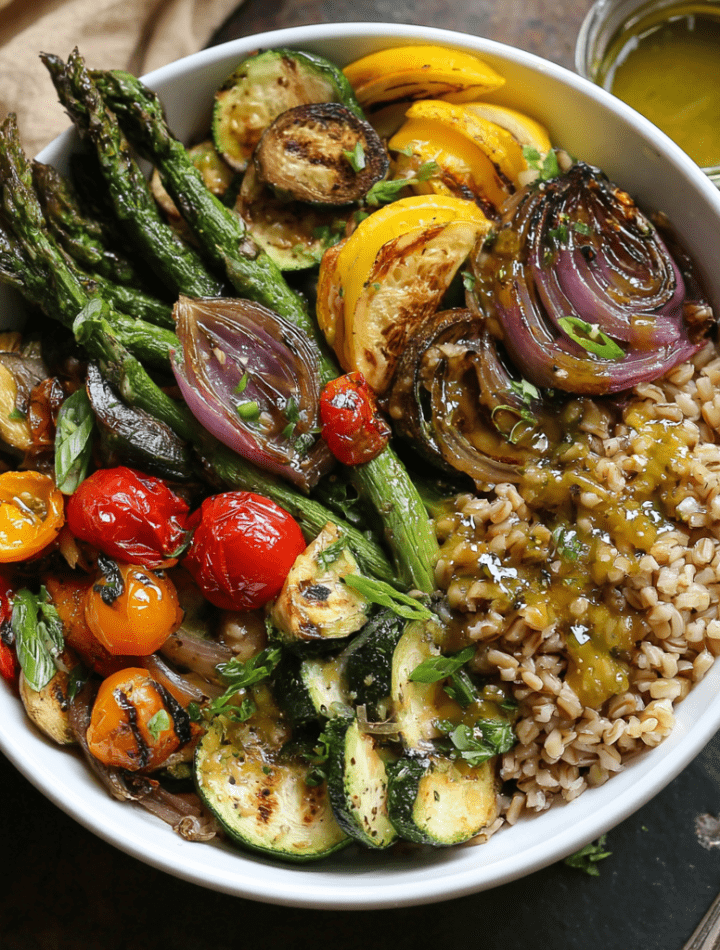
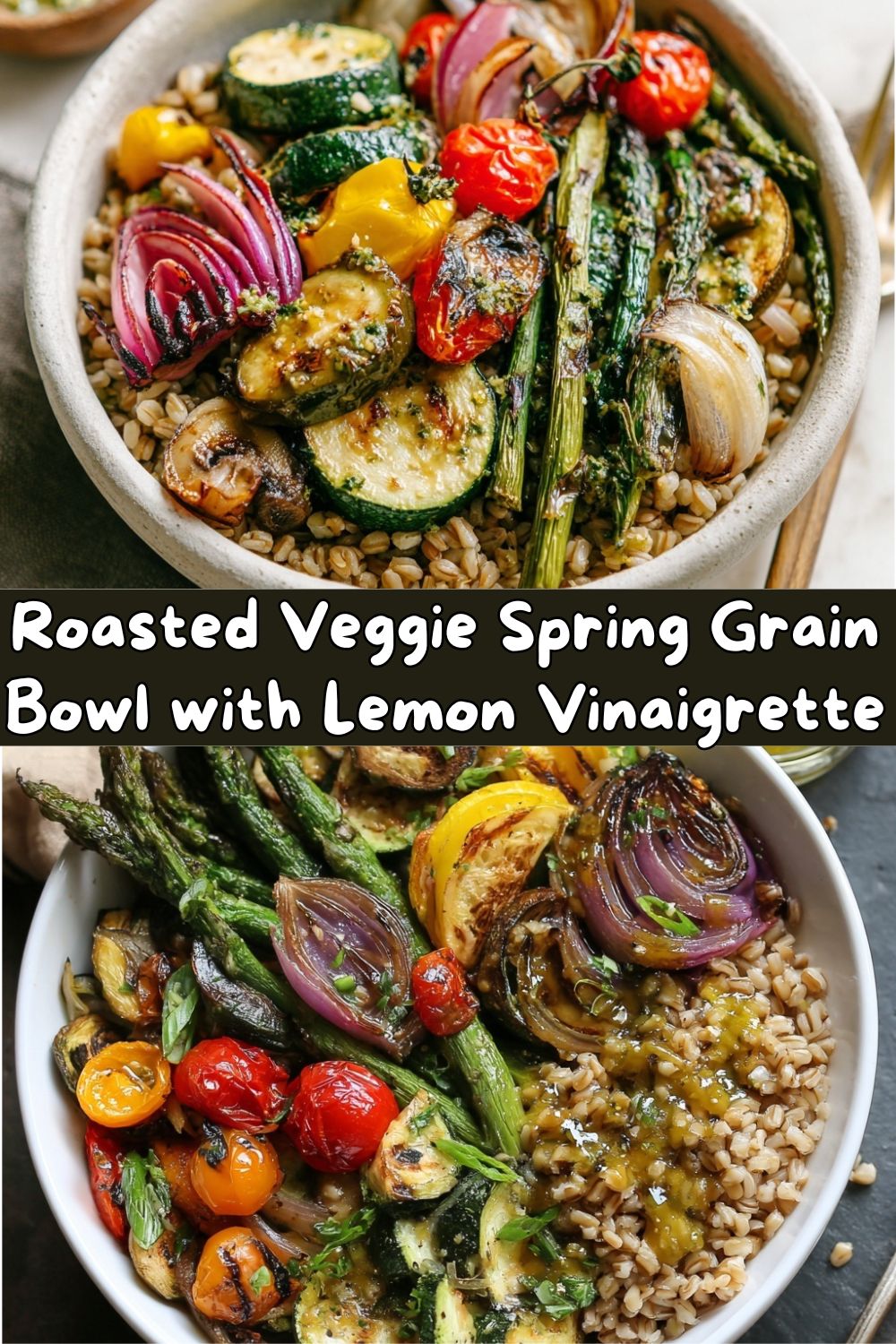
That’s where the magic of the Roasted Veggie Spring Grain Bowl comes in. This isn’t just a salad. This is a hearty, satisfying, eat-it-straight-from-the-tupperware kind of meal that celebrates everything spring has to offer. We’re talking sweet cherry tomatoes that burst in your mouth, asparagus that gets perfectly crisp-tender, zucchini with those gorgeous caramelized edges, all piled on a bed of chewy, nutty farro and drizzled with a vinaigrette so bright it’ll make your taste buds sing.
It’s my ultimate feel-good food. It’s nourishing without feeling restrictive, packed with flavor without being fussy, and it’s so darn pretty you’ll want to Instagram it before you dig in (no judgment here—I do it all the time!). Whether you’re a meal-prep maestro or just need a stunningly simple weeknight dinner, these bowls are about to become your new seasonal obsession. Let’s grab our favorite sheet pan and get roasting!
The Little Green Market That Started It All
This recipe always takes me back to my first spring after culinary school. I was living in a tiny apartment with an even tinier oven, feeling a bit lost trying to find my “culinary voice.” One rainy Saturday, I wandered into a little farmer’s market tucked under a bridge. It was there I met a farmer named Martha, who handed me a spear of the freshest, greenest asparagus I’d ever seen and said, “Roast this with a little love and salt. It’ll tell you what it wants to be.”
I took it home, along with some just-pulled onions and the first zucchini of the season. I roasted them all together on my one sad sheet pan, tossed them with some grains I had in the pantry, and made a quick lemon dressing. That simple, thrown-together bowl was a revelation. It tasted like spring. It tasted like possibility. It taught me that the best food isn’t about the fanciest techniques, but about honoring beautiful ingredients. Every time I make these bowls, I think of Martha and that feeling of delicious discovery.
Your Bowl’s Building Blocks: Ingredients & Insights
Here’s everything you’ll need to build your masterpiece. I’ve added my little chef-y notes for each one because knowledge is power (and also, it makes shopping more fun).
- 1 cup cooked farro or quinoa: Farro is my heart-throb for this bowl—it’s got a wonderful chewy texture and a nutty flavor that stands up to the veggies. Chef’s Insight: No farro? No problem! Quinoa, brown rice, or even couscous work beautifully. This is your bowl’s cozy, comforting foundation.
- 1 cup asparagus, chopped: Look for spears that are bright green and firm. Pro Tip: Snap off the woody ends—they’ll naturally break where the tough part begins. It’s weirdly satisfying!
- 1 zucchini, sliced into half-moons: Don’t peel it! The skin adds color, texture, and nutrients. Slicing into half-moons gives you more surface area for that glorious browning.
- 1/2 red onion, cut into wedges: Roasting transforms sharp red onion into something sweet, jammy, and irresistible. Trust the process.
- 1/2 cup cherry tomatoes: Little flavor bombs! They get intensely sweet and juicy when roasted. I like to use a mix of colors if I can find them.
- 2 tablespoons olive oil, plus more for vinaigrette: Good extra-virgin olive oil is your best friend here. It helps the veggies caramelize and brings a fruity note to the dressing.
- Salt and black pepper, to taste: Season as you go! Salt isn’t just a seasoning; it draws out moisture and helps create those perfect crispy edges.
For the “Sunshine in a Jar” Lemon Vinaigrette:
- Juice of 1 lemon (about 3 tbsp): Freshly squeezed is non-negotiable for that vibrant zip. Roll your lemon on the counter before juicing to get every last drop!
- 2 tablespoons olive oil: This balances the lemon’s acidity with smooth richness.
- 1 teaspoon Dijon mustard: My secret weapon! It adds a subtle tang and helps emulsify the dressing so it doesn’t separate instantly.
- 1 teaspoon honey or maple syrup: A tiny touch of sweetness rounds out the sharp flavors. Maple syrup keeps it beautifully vegan.
- Salt and pepper, to taste: Season your dressing well—it’s the flavor that ties the whole bowl together.
Let’s Build Some Bowls: Step-by-Step
Ready to make some magic? Put on some good music, tie on that (probably messy) apron, and let’s do this.
- Preheat & Prep. Fire up your oven to 425°F (220°C). This high heat is key for getting our veggies beautifully roasted, not steamed. While it heats, chop all your veggies. Pile them onto a large, rimmed baking sheet. Chef’s Hack: Give your sheet pan a quick mist of cooking spray or a light oil coat. This prevents any sneaky sticking and makes cleanup a dream.
- Season & Roast. Drizzle those gorgeous veggies with the 2 tbsp of olive oil. Now, get your hands in there! Toss everything until every piece is lovingly coated. Sprinkle generously with salt and pepper. Spread them out in a single layer—this is crucial for caramelization. No overlapping! Pop the pan into the hot oven and let the heat work its wonders for 20-25 minutes. You’re looking for tender veggies with those perfect, golden-brown spots.
- Whisk the “Sunshine Dressing.” While the veggies roast, make your vinaigrette. In a small bowl or a mason jar, combine the lemon juice, olive oil, Dijon, honey/maple, salt, and pepper. Whisk vigorously or screw the lid on the jar and shake it like a polaroid picture until it’s smooth and slightly thickened. Taste it! Adjust with more salt, pepper, or a drop of honey until it makes you do a little happy dance.
- Assemble with Joy. Time for the grand finale! Divide your fluffy, cooked farro or quinoa between two bowls (or one big one if you’re extra hungry—I see you). Pile high with the hot, roasted vegetables. The sizzle of the veggies hitting the grains is the best sound. Drizzle everything generously with that bright lemon vinaigrette.
- The Final Toss. Give everything in the bowl one gentle, final toss to let the grains soak up the dressing and mingle with the veggies. This ensures every single bite is perfectly balanced.
How to Serve & Shine
These bowls are a complete meal all on their own, but let’s talk about taking them from great to “can I have your recipe?!” status.
For Plating: I love using wide, shallow bowls so you can see all the beautiful layers. Start with your grain base, then artfully arrange the different roasted veggies in little piles or sections. Drizzle the dressing over the top in a zig-zag pattern for that chef-y touch.
Elevate Your Bowl (The Fun Part!):
- Add Creaminess: Crumble over some tangy feta cheese, creamy goat cheese, or a few slices of ripe avocado.
- Add Crunch: A sprinkle of toasted pine nuts, slivered almonds, or pumpkin seeds adds an amazing textural contrast.
- Add Freshness: Right before serving, tear over some fresh basil, mint, or parsley. The pop of green and fresh herb flavor is incredible.
- Add Protein (If you want!): This is fantastic with a soft-boiled egg, some pan-seared shrimp, or shredded rotisserie chicken on top.
Serve it warm, or pack it up for a fantastic room-temperature lunch. The flavors get even better as they hang out together!
Make It Your Own: Delicious Variations
The beauty of a grain bowl is its infinite flexibility. Here are a few of my favorite twists to keep things exciting all season long:
- Mediterranean Twist: Swap the vinaigrette for a lemon-oregano dressing. Add kalamata olives, crumbled feta, and chopped cucumber after roasting.
- Everything Bagel Inspired: Toss your roasted veggies with a hefty sprinkle of everything bagel seasoning when they come out of the oven. Use quinoa as your base and add a big dollop of scallion cream cheese on the side.
- Spicy Southwest Bowl: Swap the lemon for lime juice in the dressing and add a pinch of cumin and chili powder. Use black beans as your base with the grains, and top with corn, avocado, and a drizzle of chipotle sauce.
- Keep It Low-Carb/Gluten-Free: Ditch the grains entirely and use a base of massaged kale or crunchy romaine lettuce. You’ll get all the roasted veggie goodness in a lighter format.
- Winter Cozy Version: Not spring? No problem! Swap the veggies for sturdy butternut squash, Brussels sprouts, and red onion. Use a maple-dijon vinaigrette instead of lemon.
Chef Emily’s Notebook Scribbles
This recipe has been a living, breathing thing in my kitchen for years. It started as that simple farmer’s market haul and has evolved into my go-canvas for whatever looks good at the store. I’ve made it with freshly shelled peas, with thin slices of radish for bite, even with roasted strawberries once (sounds weird, tastes amazing!).
My biggest lesson? Don’t crowd the pan. I know it’s tempting to pile all the veggies on one sheet, but if they’re steaming instead of roasting, they won’t get that deep, sweet flavor. Use two pans if you need to—it’s worth the extra washing.
And please, for the love of all that is tasty, let the veggies get some color! Those little charred bits are not mistakes—they’re flavor gold.
Your Questions, Answered!
Q: Can I make this ahead for meal prep?
A: Absolutely! This is a meal-prep superstar. Cook your grains, roast your veggies, and make the dressing. Store them separately in airtight containers in the fridge for up to 4 days. Assemble your bowl and dress it right before eating to keep the grains from getting soggy.
Q: My veggies came out soggy. What went wrong?
A: The usual culprits are overcrowding the pan (which steams them) or not having your oven hot enough. Make sure your oven is fully preheated and give those veggies some space to breathe. Patting them very dry before oiling can also help.
Q: What’s the best way to cook farro?
A: I cook it like pasta! Bring a pot of salted water to a boil, add 1 cup of rinsed farro, and simmer for about 25-30 minutes until it’s tender but still chewy. Drain any excess water. Easy peasy.
Q: Can I use bottled lemon juice?
A: I’m going to give it to you straight: fresh is best here. Bottled juice often has a muted, sometimes bitter flavor. The fresh, bright zip of a real lemon is the soul of that dressing. But in a pinch? Sure, use what you have. The bowl will still be delicious!
Nourishment Note (Because Food is Fuel & Joy!)
Let’s talk about what’s fueling that good feeling! This bowl is a fantastic balance of complex carbohydrates from the farro, healthy fats from the olive oil, and a ton of vitamins, fiber, and antioxidants from the rainbow of vegetables. It’s a meal that will keep you satisfied and energized for hours.
Per Serving (Approximate, based on 2 servings with farro):
Calories: ~400 | Protein: 10g | Carbohydrates: 45g | Dietary Fiber: 8g | Fat: 20g (Mostly from heart-healthy olive oil) | Sugar: 8g
Remember, these numbers are a guide. They’ll shift based on your exact ingredients, portion sizes, and any delicious toppings you add. The real win is in eating something homemade, colorful, and packed with real-food ingredients.
My Final Forkful of Wisdom
So there you have it, my friend—my heartfelt love letter to spring, served in a bowl. This recipe is more than just a list of steps; it’s an invitation to play in the kitchen, to celebrate simple ingredients, and to make something that truly makes you feel good.
I hope you give these Roasted Veggie Spring Grain Bowls a try. I hope you customize them with your favorite finds from the market. And most of all, I hope you share them with someone you love (or just enjoy them all by yourself, with a great podcast—that’s self-care too).
If you make it, tag me over on Instagram @TastyChow! I love seeing your creations. Now, go forth and roast something wonderful.
With a full heart and a happy kitchen,
— Emily 🥑