Bibimbap Protein Bowls: Your New Weeknight Flavor Hero
Hey, friends! Emily here, coming to you from my (currently very messy) kitchen counter. Have you ever had one of those days where you’re craving something explosively flavorful, packed with good-for-you stuff, but also need it on the table in, oh, about 30 minutes flat? Yeah, me too. Pretty much every Tuesday. That’s exactly why I’m completely, utterly obsessed with these Bibimbap Protein Bowls.
Now, if the word “bibimbap” feels a little intimidating, let’s just set that aside right now. Think of this as the most vibrant, exciting, and utterly satisfying grain bowl you’ll ever make. We’re taking the soul of the Korean classic—the savory meat, the rainbow of crisp-tender veggies, that iconic spicy-sweet sauce—and giving it a high-protein, weeknight-friendly twist that fits perfectly into our busy, delicious lives.
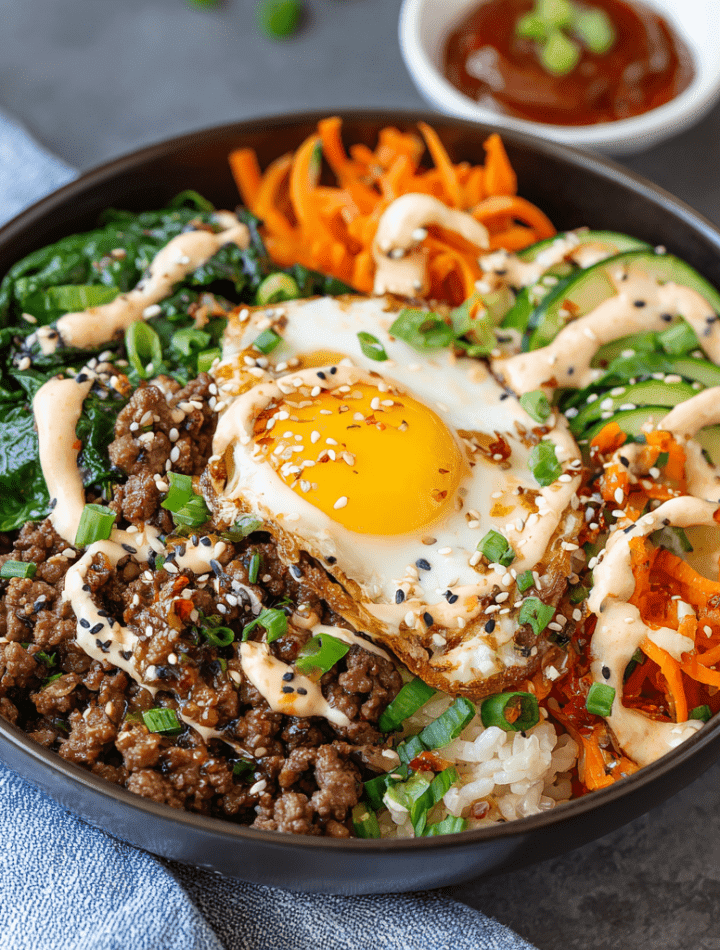
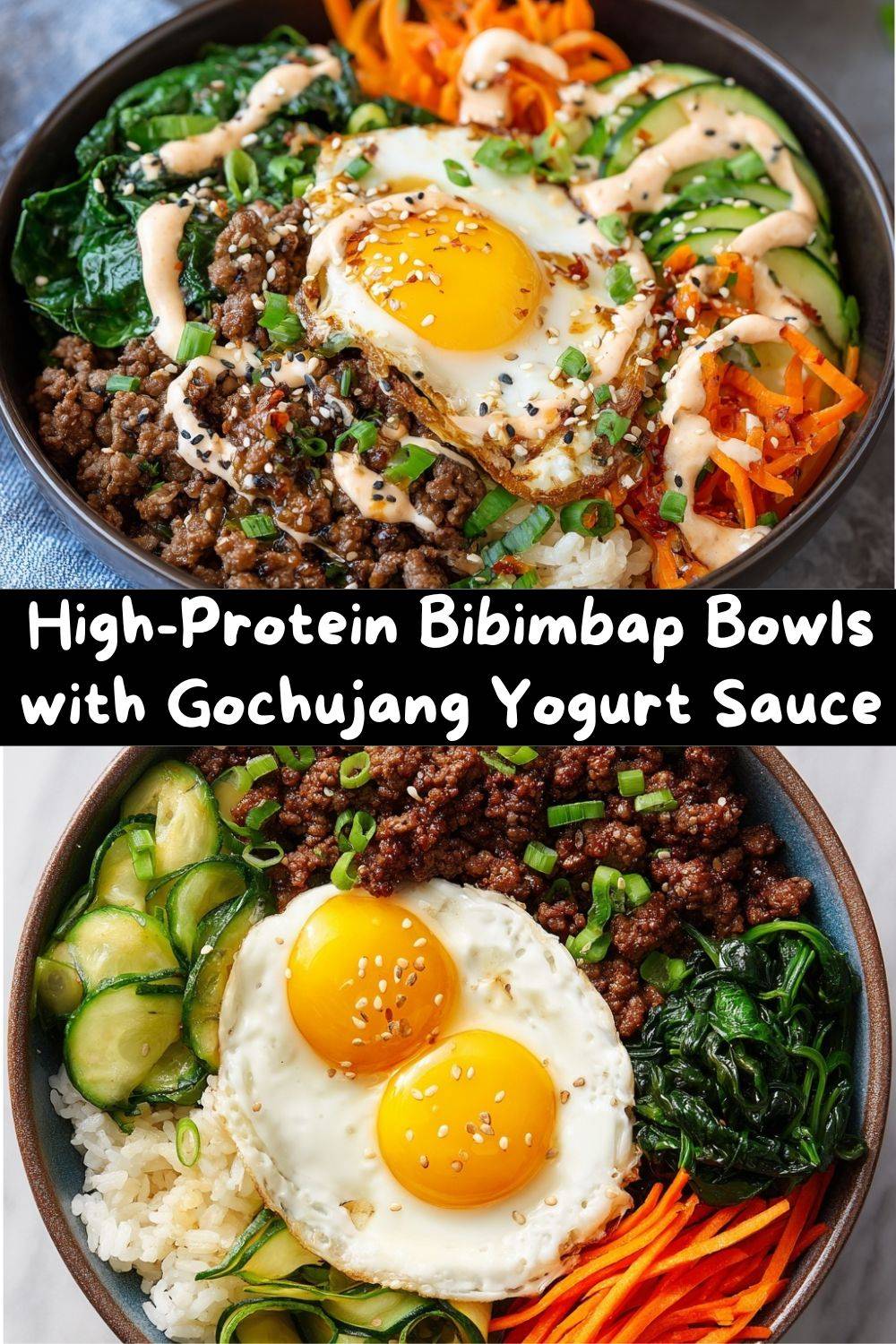
The magic happens with a simple swap: our sauce. Instead of just straight gochujang (that glorious Korean chili paste), we’re blending it with protein-rich Greek yogurt. The result? A sauce that’s still packed with that deep, funky, spicy-sweet flavor, but also creamy, cooling, and adds a major nutritional boost. Paired with lean ground beef and a perfectly runny egg, every bite is a perfect harmony of hot and cool, crunchy and tender, spicy and savory. It’s a party in a bowl, and you’re invited. So, tie on your favorite apron (the one with the spaghetti stain, it’s fine), and let’s make a meal that’s going to have everyone asking for seconds.
The Bowl That Built a Bridge
My love for bibimbap didn’t start in a fancy restaurant. It started in a cramped, steam-filled apartment kitchen during my first year of culinary school. My roommate, Jieun, was from Seoul, and she was a quietly brilliant cook. After a long, exhausting day of chopping, braising, and getting (lovingly) yelled at by chefs, we’d come home starving. One particularly rough day, I was staring into our nearly empty fridge, convinced dinner was going to be sad toast.
Jieun saw my face, smiled, and said, “Watch this.” Like a culinary wizard, she pulled out leftover rice, a few scattered veggies, a lone carrot, some spinach, and an egg. In a sizzling hot pan, she worked magic. In ten minutes, she presented me with a bowl that looked like a sunset—vibrant orange carrots, emerald greens, savory beef, and a golden egg yolk gleaming in the center. She handed me a bottle of gochujang and said, “Mix it all together. Trust me.” That first messy, mixed-up bite was a revelation. It was comfort, excitement, and nourishment all in one. It taught me that the most memorable meals aren’t about perfection; they’re about heart, resourcefulness, and sharing something truly delicious. This recipe is my tribute to that lesson—and to Jieun.
Gathering Your Flavor Arsenal
Here’s everything you need to build these epic bowls. Don’t stress about exactness—this is your canvas!
For the Savory Beef:
- 1 lb lean ground beef (90/10 or 93/7): The protein powerhouse! Lean beef keeps things lighter but still super flavorful. Chef’s Insight: You can swap in ground turkey, chicken, or even plant-based crumbles for a twist.
- 2 cloves garlic, minced: The aromatic foundation. Fresh is best here!
- 1 tablespoon soy sauce: For that essential savory, salty umami depth. Use tamari for a gluten-free version.
- 1 teaspoon sesame oil: This is the secret weapon! That nutty, toasted aroma is unmistakably Korean. Don’t substitute with another oil here.
- 1 teaspoon brown sugar or honey: A tiny touch to balance the saltiness and help the beef get a nice glaze.
- Salt and pepper to taste: Season as you go!
For the Vibrant Bowls:
- 2 cups cooked rice or cauliflower rice: The hearty base. Short-grain white rice is traditional and gets delightfully sticky. Brown rice adds fiber, and cauliflower rice keeps it low-carb. Pro Tip: Day-old rice works amazingly well!
- 1 cup shredded carrots: For color and a sweet crunch. I use a julienne peeler for perfect little matchsticks.
- 1 zucchini, thinly sliced or spiralized: Adds a lovely, mild freshness. A quick sauté brings out its best.
- 1 cup spinach: Our pop of green. It wilts down beautifully in seconds. Kale or Swiss chard are great sturdy alternatives.
- 2 eggs (fried sunny-side up or soft-boiled): The crowning glory! That runny yolk becomes the richest, silkiest sauce when mixed in.
- Optional garnishes: Toasted sesame seeds, thinly sliced green onion, nori strips, or even a sprinkle of kimchi!
For the Gochujang Yogurt Sauce (The Star!):
- 1/2 cup plain Greek yogurt (full-fat or 2%): Creates a creamy, protein-packed sauce base that cools the spice. Substitution Tip: Dairy-free? Use a plain, unsweetened coconut or almond milk yogurt.
- 1 tablespoon gochujang (Korean chili paste): Find it in the Asian aisle! It’s spicy, slightly sweet, and deeply fermented. Start with 1 tbsp and add more if you love heat.
- 1 teaspoon rice vinegar: A bright, acidic kick to cut through the richness.
- 1/2 teaspoon honey (optional): A hint more sweetness if your gochujang is extra spicy or your yogurt is tart.
- Water to thin, if needed: A splash will make it a perfect drizzling consistency.
Let’s Build Some Bowls: Your Step-by-Step Roadmap
Ready? We’re going to move fast and have fun. I like to get all my veggies prepped before I even turn on the stove—it makes the cooking process feel like a smooth, easy dance.
- Prep Your Base: Get your rice cooking according to package directions. If you’re using cauliflower rice, you can sauté it quickly at the end or serve it raw for extra crunch. Chef’s Hack: No time? Grab a pouch of pre-cooked rice from the freezer aisle—it’s a total weeknight lifesaver.
- Cook the Savory Beef: Heat a large skillet or wok over medium-high heat. Add the ground beef and cook, breaking it up with a spoon, until it’s no longer pink. Toss in the minced garlic and cook for another 30 seconds until fragrant. Here’s the good part: add the soy sauce, sesame oil, and brown sugar. Let it all bubble together for 2-3 minutes until the beef is beautifully coated and the sauce has thickened slightly. Season with a pinch of black pepper. Transfer to a bowl and cover to keep warm.
- Sauté the Veggies: In the same skillet (hello, flavor layer!), add a tiny drizzle of neutral oil. Toss in your zucchini slices and sauté for 2-3 minutes until just tender-crisp. Remove them to a plate. Then, add the spinach. It might look like a mountain, but it wilts in seconds! Just stir until it’s bright green and soft. Set aside with the zucchini. My Tip: We’re keeping the carrots raw for a fantastic crunchy contrast, but if you prefer them softer, sauté them for a minute, too!
- Whip Up the Magic Sauce: While the veggies are cooling, make the sauce. In a small bowl, whisk together the Greek yogurt, gochujang, rice vinegar, and honey (if using). It will be thick and glorious. Add water, a teaspoon at a time, until it’s a perfect, drizzle-able consistency. Taste it! Want more tang? A splash more vinegar. More heat? Another half-spoon of gochujang.
- Fry the Eggs: Last but not least, the eggs. Wipe out your skillet, add a little butter or oil, and fry your eggs sunny-side up. We’re going for set whites and gloriously runny yolks. Secret for no-stick eggs: Let the pan get properly hot before adding the egg.
- The Grand Assembly: This is the best part. Divide the warm rice between two bowls. Artfully (or just happily) arrange the beef, zucchini, spinach, and shredded carrots in little piles around the rice. Gently place your fried egg right in the center, like the golden sun. Drizzle everything generously with the gochujang yogurt sauce. Finish with a shower of sesame seeds and green onions.
How to Serve & Savor It
Presentation is half the fun with this dish! I love using wide, shallow bowls so you can see all the beautiful components. The key instruction? Mix it all up! The literal meaning of “bibimbap” is “mixed rice.” Take your spoon or chopsticks and dig right into that yolk, letting it run and coat every grain of rice and strand of beef. The goal is a glorious, slightly messy, unified masterpiece where you get a bit of everything in every bite.
What to serve it with? It’s a complete meal in a bowl, honestly. But if you want to round it out, a simple side of quick-pickled cucumbers (just sliced cukes with a splash of rice vinegar, salt, and a pinch of sugar) or a small bowl of miso soup would be absolutely perfect. And don’t forget the drinks—a crisp lager, a glass of iced green tea, or sparkling water with lemon all make fantastic companions.
Make It Your Own: 5 Delicious Twists
The beauty of this bowl is its flexibility. Play with it!
- The “Clean Out the Fridge” Version: Got mushrooms? Sauté them. Bell peppers? Slice them thin. Broccoli florets? Blanch them. Asparagus? Throw it in! This recipe welcomes all veggies.
- Go Spicy Pork: Swap the beef for ground pork and add an extra teaspoon of gochujang and a minced Thai chili to the meat as it cooks for an extra kick.
- Keep it Plant-Powered: Use a cup of cooked lentils or crispy baked tofu cubes instead of beef. For a “meaty” veggie base, sauté sliced king oyster mushrooms with a dash of soy sauce.
- Switch the Sauce Base: Not a yogurt fan? Blend the gochujang with a ripe avocado for an ultra-creamy, healthy-fat version. Or, simply thin the gochujang with a little water, sesame oil, and a dash of vinegar for a more traditional sauce.
- Breakfast Bibimbap: Yes, really! Use quinoa as the base, top with the sautéed veggies, a fried egg, and a slice of crispy bacon crumbled over the top. Drizzle with a little lighter sauce.
A Few Notes from My Kitchen
This recipe has evolved so much since that first apartment version. I started with a much more complicated, multi-pan ordeal (we’ve all been there). Over time, I realized the spirit of the dish is in its simplicity and adaptability. Using one skillet for the beef and veggies isn’t just easier—it layers the flavors beautifully. The Greek yogurt sauce was a happy accident when I was out of the traditional ingredients and needed a protein boost. Now, I’ll never go back!
My biggest piece of advice? Don’t fear the gochujang. It’s now a permanent resident in my fridge door, right next to the mustard. Once you try it, you’ll start putting it in marinades, dips, and even on roasted potatoes. It’s that good. Have fun, make a mess, and mix with gusto!
Your Questions, Answered
Q: I can’t find gochujang. What can I use instead?
A: While the unique flavor is hard to replicate perfectly, in a pinch, you can mix 1 tbsp of sriracha or another chili-garlic paste with 1/2 tsp of fermented bean paste or miso and a tiny bit of honey. It’ll be different, but still tasty!
Q: My sauce is too thick/thin. Help!
A: Too thick? Add water or a tiny bit more rice vinegar, a teaspoon at a time. Too thin? Whisk in a little more Greek yogurt or a dab more gochujang. You’re in control!
Q: Can I meal prep these bowls?
A> Absolutely! Cook and store the beef, rice, and sauce separately in airtight containers for up to 4 days. Sauté the veggies fresh the day you eat it for the best texture, or store them separately too. Assemble and heat just before serving, adding a fresh egg.
Q: The egg yolk broke while frying! Is it ruined?
A> Not at all! It will still taste amazing. For a foolproof runny yolk, try soft-boiling your eggs instead: place eggs in boiling water for 6-7 minutes, then transfer to an ice bath. Peel and halve—perfect yolks every time.
Nutritional Breakdown (A General Guide)
Please remember, I’m a chef, not a dietitian! This is an estimate based on specific ingredients (93% lean beef, full-fat Greek yogurt, white rice) and can vary widely with your choices. The goal here is a balanced, protein-rich, and veggie-packed meal.
One serving (approximately half the recipe) provides roughly: ~500 calories, ~40g protein, ~30g carbohydrates, ~24g fat, and 4g fiber.
Want to adjust it? Here’s how:
Lower Calorie/Carb: Use cauliflower rice, 99% lean ground turkey, and fat-free Greek yogurt.
Higher Fiber/Complex Carb: Use brown rice or quinoa and add more veggies like broccoli or mushrooms.
This bowl is a fantastic canvas for meeting your nutritional goals while never, ever skimping on flavor.
Final Thoughts from My Kitchen to Yours
And there you have it! My not-so-secret weapon for a dinner that feels like a celebration, even on a random Wednesday. These Bibimbap Protein Bowls are more than just a recipe to me; they’re a reminder that incredible food doesn’t have to be complicated. It’s about bold flavors, colorful ingredients, and the simple joy of mixing it all together into something uniquely delicious.
I hope this recipe becomes a trusted friend in your kitchen rotation, one you tweak and make your own. Tag me on social @TastyChow if you make it—I love seeing your creations! Now, go forth, get that skillet sizzling, and make something amazing. Your taste buds will thank you.
With love and a well-seasoned skillet,
Emily