Made with Love by Chef Emily Walker
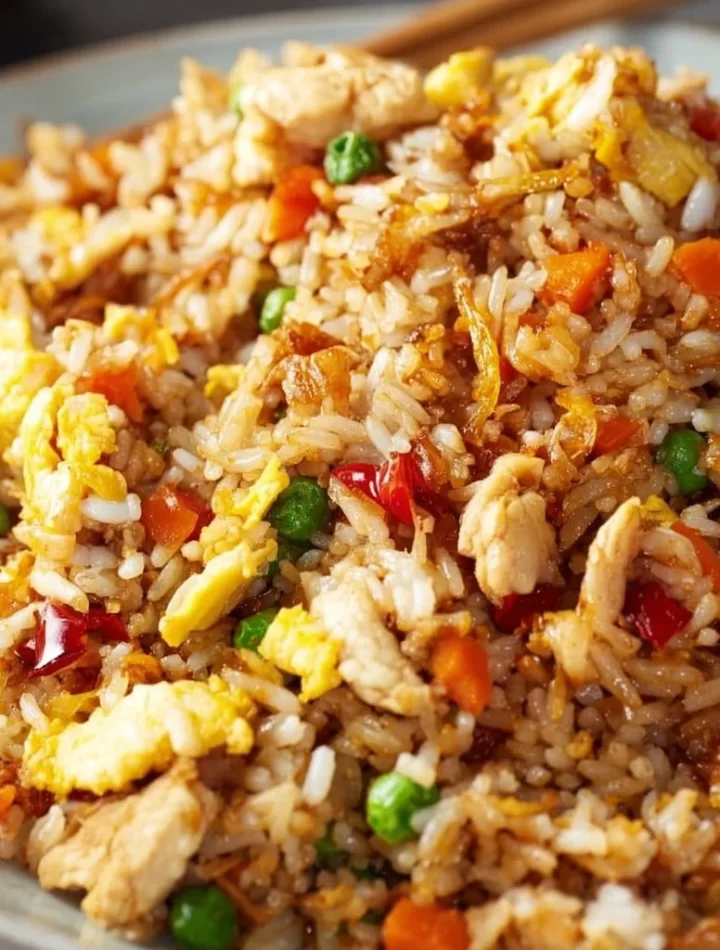
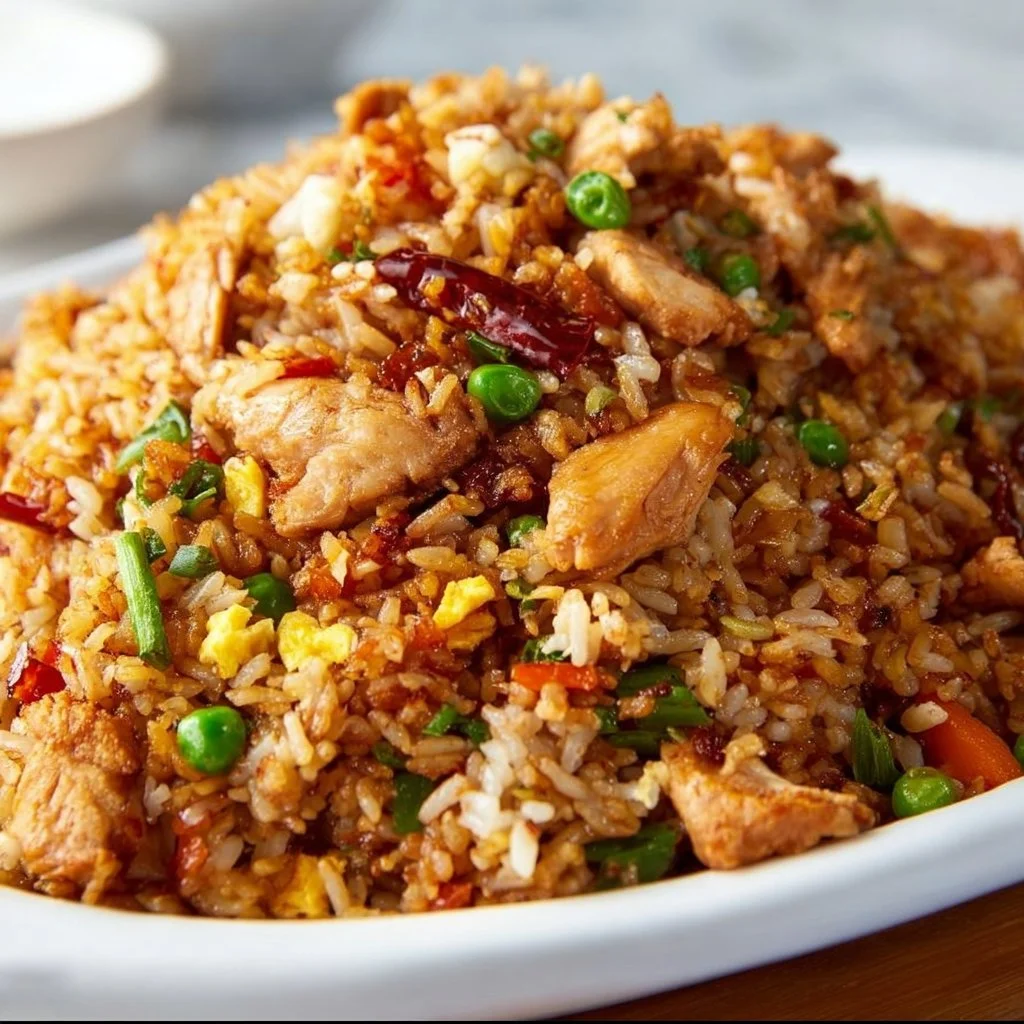
Hey there, flavor chaser! Today we’re making a timeless, crave-able classic: Chinese Chicken Fried Rice. This is the kind of dish that shows up at 2 a.m., on weeknight dinner tables, and at potlucks because it’s comforting, flexible, and ridiculously satisfying. I’ll walk you through every step—ingredients, chef tips, and clever swaps—so you can make a plate of fried rice that tastes restaurant-worthy, but feels like home.
Introduction (300–400 words)
If comfort food had a passport, Chinese chicken fried rice would be stamped with more visas than I can count. It’s rustic, forgiving, and utterly charming in its simplicity: day-old rice, fragrant aromatics, juicy chicken, tender veggies, a little soy sauce, and the magic of high-heat wok action. I love how this dish turns leftovers into the star of the show. One minute you’ve got a sad container of cold rice and some roasted chicken; the next minute you’ve got something that makes your whole kitchen smell like victory.
Fried rice is one of those dishes that teaches you more than a recipe—it teaches you timing, texture, and the importance of not overcomplicating flavor. The technique is the secret: dry, separate grains of rice, a hot pan that sings, and quick stirring so each bite has a lovely balance of savory, sweet, and umami. You’ll see me reach for toasted sesame oil, a splash of dark soy for color, and green onions for that fresh finish every time.
This version focuses on straightforward, accessible ingredients and a small handful of chef tricks that make a big difference: use chilled, day-old rice; cut the chicken into bite-size pieces so it cooks fast and stays tender; and don’t be shy with the heat—high heat is your friend here. Expect a quick, satisfying 20–30 minute cook time once your mise en place is set.
Stick with me, and by the end you’ll be tossing rice like a pro. We’ll cover substitutions, vegan options, plating tips, and troubleshooting so nothing trips you up. Ready? Grab your wok (or a large nonstick skillet), put on your favorite playlist, and let’s make some fried rice that will have people texting “recipe?” before the plates are even cold.
Personal Story (200–250 words)
I still smile thinking about the first time I learned to make fried rice properly. I was in culinary school, sleep-deprived and desperate for something quick and comforting between classes. A classmate—Lin—took me under her wing and showed me how she made fried rice back home. She tossed cold rice into an iron wok like it was second nature, shook a little soy, cracked an egg, and within minutes transformed our leftovers into the most glorious lunch.
What struck me was how intimate the process felt. We were crowded around a single stove, swapping stories about family recipes, and Lin taught me her secret—rice that’s had time to dry is worth its weight in gold. She also insisted on a tiny splash of rice vinegar for brightness; I still use that trick when I want to wake things up. That lunch tasted like friendship—and like culinary magic happening in a hot pan.
That memory lives in every batch of fried rice I make. I love teaching friends how to make it because the payoff is immediate: quick, great food, and smiles all around. This version is my friendly, home-kitchen take—simple, dependable, and full of flavor so you can make it any night of the week.
Ingredients (250–300 words)
- 3 cups day-old jasmine rice, refrigerated
- Explanation: Day-old rice dries out a bit and separates, giving you those perfect grains in fried rice. If you only have fresh rice, spread it on a baking sheet to cool and steam off excess moisture.
- 2 cups cooked chicken, shredded or diced
- Chef insight: Use rotisserie chicken, leftovers, or quickly pan-seared chicken breast. Dark meat adds juiciness.
- 3 large eggs, lightly beaten
- Tip: Scramble the eggs separately for fluffy ribbons of egg in the rice.
- 3 tablespoons neutral oil (vegetable or canola)
- Substitution: Use grapeseed or avocado oil for higher smoke points; olive oil is too flavorful for classic fried rice.
- 2 tablespoons light soy sauce
- Insight: Adds salt and umami without darkening the rice too much.
- 1 tablespoon dark soy sauce (optional, for color)
- Tip: A little goes a long way—use for a deeper brown color and rich aroma.
- 1 tablespoon oyster sauce (or vegetarian mushroom sauce)
- Swap: Substitute hoisin or extra soy with a pinch of sugar if you don’t have oyster sauce.
- 1 teaspoon toasted sesame oil
- Chef note: Add at the end for aroma; a little goes a long way.
- 1 small onion, finely diced
- Tip: Yellow or sweet onion works well; shallots add delicate sweetness.
- 3 cloves garlic, minced
- Hack: Smash garlic with the side of the knife for a quicker mince and more flavor release.
- 1 cup mixed vegetables (peas, carrots, corn)
- Substitution: Fresh diced carrots and frozen peas work great; no need to overcook.
- 3 scallions, sliced (white and green separated)
- Note: Whites go in early for fragrance; greens garnish at the end for freshness.
- 1/2 teaspoon white pepper or black pepper
- Insight: White pepper gives that classic savory note commonly found in Chinese kitchens.
- Salt to taste
- Tip: Light soy and oyster sauce add salt, so taste before adding extra.
Step-by-Step Instructions (400–500 words)
-
Prep everything first.
- Chef hack: Fried rice moves fast. Measure sauces, dice veggies, and shred chicken before you heat the pan. I like to keep sauces in a small bowl for quick drizzle.
-
Break apart the rice.
- Tip: Use chilled rice and break up any clumps with your hands or a fork. If the grains are clumped, gently tug them apart so they fry evenly.
-
Heat your wok or large skillet over high heat.
- I heat until the pan is just smoking and add 1 tablespoon of neutral oil. A hot pan gives you nice toasty notes and prevents soggy rice.
-
Cook the eggs first.
- Pour beaten eggs into the hot pan, tilt to spread into a thin layer, let set for a few seconds, then scramble quickly. Transfer the scrambled eggs to a plate. This keeps them tender and separate instead of overcooking with the rice.
-
Sear the chicken.
- Add another tablespoon of oil, toss in diced chicken, and sear for 1–2 minutes until slightly golden. If you’re using leftover rotisserie chicken, you’re just warming it up—be gentle so it doesn’t dry out. Remove chicken and set aside with the eggs.
-
Stir-fry aromatics and veggies.
- Add the last tablespoon of oil, then the onion and the white parts of the scallions. Stir for 30–45 seconds until fragrant. Add garlic and mixed vegetables and stir-fry 1–2 minutes. Keep everything moving—high heat, quick turns.
-
Add rice to the pan.
- Add rice in batches if needed. Use a spatula or wok chuan to press and lift—this lets the rice make contact with the hot surface and briefly sear, creating texture. Keep tossing so each grain gets coated in oil and heated through.
-
Season the rice.
- Drizzle light soy sauce around the edge of the pan and a small spoonful of dark soy if using. Add oyster sauce, and sprinkle white pepper. Toss well. Taste and adjust—add a pinch of salt only if needed. Remember that sauces carry salt, so go easy.
-
Return proteins and eggs.
- Add the cooked chicken and scrambled eggs back to the wok. Toss gently to combine. At this point, check for moisture—if it feels dry, a splash of chicken stock or water helps; don’t drown it.
-
Finish with sesame oil and scallion greens.
- Remove from heat and immediately drizzle toasted sesame oil for fragrance. Stir in the green parts of the scallions for freshness and color.
-
Serve hot.
- Plate quickly so the rice stays warm and fluffy. Sprinkle extra scallions or a few drops of chili oil if you like heat.
Kitchen safety and technique tips:
- Keep the heat high but controlled; too low and the rice steams instead of fries.
- Use a large pan so the rice can spread in a single layer—crowding causes clumps.
- Taste as you go. Fried rice is all about balance: salt, umami, and a touch of sweetness from the veggies or dark soy.
Serving Suggestions (200–300 words)
Fried rice shines both solo and as part of a larger meal. For a cozy weeknight, mound the chicken fried rice in a shallow bowl, top with a few crunchy scallion curls, and serve with a wedge of lime for a hint of brightness. I love garnishing with toasted sesame seeds for texture, and a few drops of chili oil if I want heat.
If you’re pairing the dish, keep it simple: steamed baby bok choy or a quick stir-fry of broccoli with garlic complements the rice without stealing the show. For a more substantial spread, add steamed dumplings, a simple egg drop soup, or roasted soy-glazed salmon fillets.
Plating tips:
- Use a shallow bowl or rimmed plate so each spoonful picks up protein and veggies as well as rice.
- For a restaurant-style presentation, pack a cup of fried rice tightly into a small bowl, flip it onto the plate, and top with a scallion bouquet. It looks intentional and lovely.
- Offer condiments on the side: soy sauce, Sriracha, black vinegar, or pickled chilies let guests customize their bowls.
Serving temperature:
- Serve immediately—fried rice is best hot and fresh. If you need to reheat, use a hot pan and sprinkle a teaspoon of water to steam briefly while stirring.
Recipe Variations (200–300 words)
-
Spicy Szechuan Twist
- Add a tablespoon of Szechuan chili oil and 1 teaspoon of ground Szechuan peppercorns while seasoning. Toss in diced bell peppers and a handful of roasted peanuts for crunch. Finish with cilantro.
-
Pineapple Chicken Fried Rice (Thai-inspired)
- Stir in 1 cup diced pineapple and 1/4 cup cashews. Swap oyster sauce for a mix of fish sauce and a touch of brown sugar. The sweet tang of pineapple balances the savory chicken.
-
Vegetable-Forward (Vegetarian)
- Replace chicken with extra firm tofu, pressed and pan-fried until golden. Use mushroom oyster sauce (vegetarian oyster sauce) and add more vegetables like mushrooms, snap peas, and baby corn.
-
Low-carb Cauliflower Rice
- Swap the rice for pulsed cauliflower florets. Keep the technique the same but reduce cook time—cauliflower rice only needs a few minutes. This version is lighter but still packs flavor.
-
Garlic-Ginger Boost
- Increase aromatics with 1 tablespoon grated fresh ginger and an extra clove of garlic. Add a splash of Shaoxing wine when stir-frying the chicken for depth.
Chef’s Notes (150–200 words)
A few things I’ve learned over years of perfecting fried rice: first, don’t rush the mise en place. Having everything set means you can move quickly without stress. Second, respect the grain—rice needs time to dehydrate a bit so it fries rather than steams. Third, embrace leftovers. Fried rice was born to rescue yesterday’s rice and last week’s roast chicken; it’s culinary alchemy.
I also keep a little toolbox handy: a high-smoke-point oil, a bottle of light and dark soy, oyster sauce, and toasted sesame oil. Small amounts of dark soy dramatically improve color, and oyster sauce layers in umami that tastes like professional kitchens.
Funny kitchen memory: once I made fried rice for a potluck and accidentally grabbed my roommate’s extra-strong hot sauce instead of Sriracha. The entire batch had people fanning their mouths—but they kept coming back for more. We turned it into a signature “hot seat” version and labeled it with a warning. Food disasters sometimes become favorites!
FAQs and Troubleshooting (200–300 words)
Q: My rice turned out soggy. What did I do wrong?
A: Soggy rice usually means it was too fresh or the pan temperature was too low. Use chilled, day-old rice and a very hot pan. If your rice is fresh, spread it on a baking sheet to cool and air-dry before frying.
Q: The rice clumped together. How can I prevent that?
A: Clumping happens when grains are moist or when too much sauce is added at once. Break apart the rice before adding, spread it in the pan in a single layer, and drizzle sauces around the edge so you can control distribution.
Q: My chicken is dry—any tips?
A: Cut chicken into uniform, bite-size pieces and cook over very high heat for a short time. If using leftover chicken, add it back at the end just to warm through. For extra tenderness, marinate raw chicken briefly in 1 teaspoon cornstarch and 1 teaspoon soy sauce for 10 minutes before cooking.
Q: How do I get that “wok hei” flavor at home?
A: Wok hei is all about very high heat and quick, direct contact with the pan. Use a well-seasoned wok or a heavy cast-iron skillet, preheat it until almost smoking, and keep ingredients moving. A small splash of neutral oil and finishing with a tiny pinch of sugar can help caramelize and mimic that slightly smoky depth.
Nutritional Info (200–300 words)
While fried rice is an indulgent comfort dish, you can make it balanced and nutritious with a few thoughtful choices. A typical serving of Chinese chicken fried rice (about 1.5 cups) provides a satisfying combination of protein, carbs, and vegetables. Using jasmine rice gives you quick energy from carbohydrates, while chicken supplies lean protein. Peas and carrots add fiber and vitamins like A and C.
If you’re watching calories, use brown rice for extra fiber, or replace half the rice with cauliflower rice to reduce carbs. Using less oil and choosing skinless chicken or extra-firm tofu lowers fat content. For heart health, reduce sodium by using low-sodium soy sauce and limit added salt.
Approximate macronutrient breakdown per serving (estimate):
- Calories: ~420–520 (varies by oil amount and portion size)
- Protein: 22–30 g (from chicken and eggs)
- Carbs: 45–60 g (from rice and veggies)
- Fat: 12–18 g (depending on oil and egg content)
Micronutrients:
- Vitamin A from carrots
- Vitamin C from scallions and vegetables
- Iron and B vitamins from eggs and chicken
For a lower-sodium option, swap half the light soy sauce for coconut aminos and finish with a squeeze of lime to add brightness. If you need precise nutrition facts for dietary tracking, plug your specific brands and portions into a nutrition calculator.
Final Thoughts (200–300 words)
There’s something deeply satisfying about turning simple pantry staples into a crowd-pleaser, and Chinese chicken fried rice does just that. It’s a lesson in smart cooking: use what you have, respect your ingredients, and don’t be afraid to improvise. My favorite part? The way the flavors come together in the last minute of cooking—soy, sesame, a kiss of oyster sauce—creating a comforting bowl that feels both homey and a little bit celebratory.
This recipe is intentionally flexible. Keep the method and timing in mind—hot pan, day-old rice, quick tosses—and swap proteins or veggies to match your fridge and mood. It’s a recipe that grows with you; every time you make it, you’ll discover a new favorite tweak.
Cooking is about joy, connection, and delicious crumbs on the plate. Make this dish for a friend, a hungry family, or just yourself on a night you deserve something comforting. Share the recipe, teach someone the quick egg scramble technique, and keep the culinary chain going.
Conclusion
If you’d like to compare techniques or see another approachable home-kitchen version for inspiration, check out this helpful recipe: Quick & Easy Chinese Chicken Fried Rice – Christie at Home.
Thanks for cooking with me—go make a big pan, invite someone over, and enjoy every bite. — Emily
Print
Chinese Chicken Fried Rice
- Total Time: 35 minutes
- Yield: 4 servings 1x
- Diet: Omnivore
Description
A comforting and classic dish, Chinese chicken fried rice is made with day-old jasmine rice, juicy chicken, and flavorful vegetables, perfect for a satisfying meal any time.
Ingredients
- 3 cups day-old jasmine rice, refrigerated
- 2 cups cooked chicken, shredded or diced
- 3 large eggs, lightly beaten
- 3 tablespoons neutral oil (vegetable or canola)
- 2 tablespoons light soy sauce
- 1 tablespoon dark soy sauce (optional)
- 1 tablespoon oyster sauce (or vegetarian mushroom sauce)
- 1 teaspoon toasted sesame oil
- 1 small onion, finely diced
- 3 cloves garlic, minced
- 1 cup mixed vegetables (peas, carrots, corn)
- 3 scallions, sliced (white and green separated)
- 1/2 teaspoon white pepper or black pepper
- Salt to taste
Instructions
- Prep everything first: Measure sauces, dice veggies, and shred chicken before heating the pan.
- Break apart the rice with your hands or a fork.
- Heat your wok or large skillet over high heat and add oil.
- Cook the eggs first, scrambling them in the hot pan.
- Sear the chicken until slightly golden, then set aside.
- Stir-fry the aromatics and veggies quickly for best flavor.
- Add the rice, ensuring each grain is separated and heated through.
- Season the rice with light soy sauce, dark soy sauce, oyster sauce, and pepper.
- Return the chicken and eggs to the pan and toss gently.
- Finish with sesame oil and garnishing scallions.
- Serve hot, garnished with scallions or chili oil if desired.
Notes
Use chilled, day-old rice for best results, and don’t rush the cooking process to ensure the rice fries properly.
- Prep Time: 15 minutes
- Cook Time: 20 minutes
- Category: Main Course
- Method: Stir-frying
- Cuisine: Chinese
Nutrition
- Serving Size: 1 serving
- Calories: 420
- Sugar: 2g
- Sodium: 550mg
- Fat: 15g
- Saturated Fat: 3g
- Unsaturated Fat: 6g
- Trans Fat: 0g
- Carbohydrates: 50g
- Fiber: 3g
- Protein: 20g
- Cholesterol: 175mg
Keywords: fried rice, chicken fried rice, comfort food, quick meal, chinese cuisine, easy recipe