Let’s Talk About the Ultimate Comfort Food Hug: Moussaka
Hey friend! Pull up a chair and let’s chat. Have you ever had one of those days where you crave something that’s not just a meal, but an experience? Something layered, deeply flavored, and utterly satisfying that makes you feel like you’ve been wrapped in a warm, culinary hug? For me, that magic dish is Classic Greek Moussaka.
I know, I know. It might sound a little fancy or intimidating. Layers? Béchamel? But trust me, once you break it down, moussaka is just the most beautiful, heartwarming casserole you’ll ever meet. It’s Greece’s legendary answer to comfort food, and it’s about to become your new favorite project for a weekend when you want to cook something special.
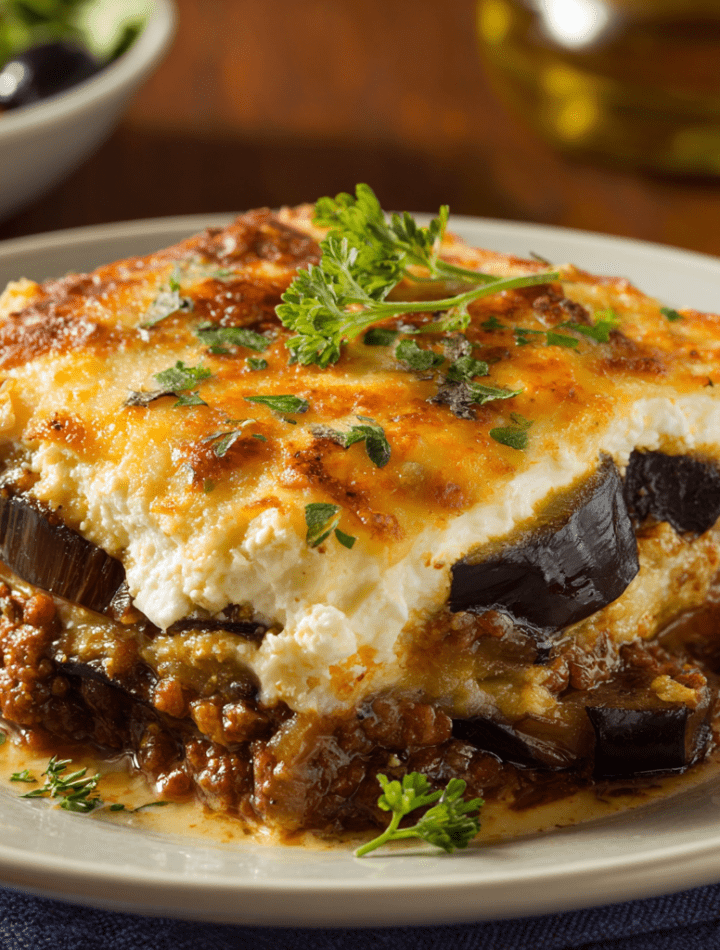
Imagine this: tender, roasted eggplant, a rich and aromatic meat sauce spiced with a hint of cinnamon, all crowned with a golden, creamy béchamel that bubbles and browns in the oven. The flavors are bold, Mediterranean, and completely irresistible. Yes, it takes a little love and time, but every single step is worth it. This isn’t just dinner; it’s a centerpiece, a conversation starter, a dish that says “I care.” So, tie on your apron, grab your favorite wooden spoon, and let’s make something incredibly delicious together. I promise to guide you through every single step.
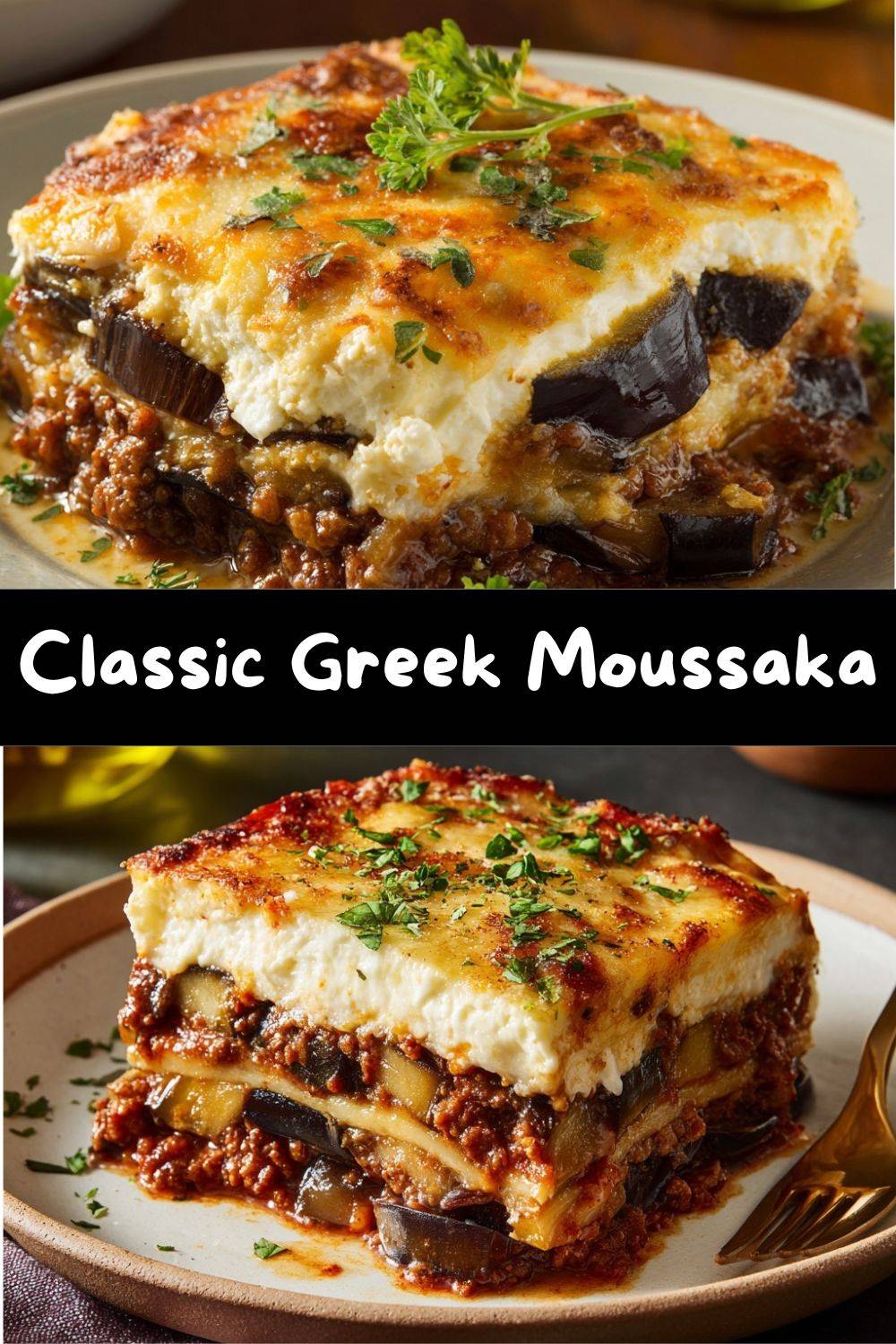
The Smell of Sunday & My Yiayia’s Kitchen
My love affair with moussaka didn’t start in culinary school. It started in a cloud of steam and the sound of sizzling eggplant in my friend Maria’s yiayia’s (grandma’s) kitchen when I was a teenager. I was “helping,” which mostly meant watching in awe and trying not to eat all the fried eggplant slices straight from the pan.
The air was thick with the scent of onions, garlic, oregano, and that mysterious, warm whisper of cinnamon coming from the meat sauce. Yiayia moved with a rhythm that only decades of practice can create—layering, tasting, adjusting. She didn’t use a recipe. It was all in her hands and her heart. When that pan finally came out of the oven, golden and puffed, the whole family gathered. That first bite was a revelation: the creamy top, the savory middle, the silky eggplant. It was more than food; it was tradition, love, and shared history on a plate. Every time I make moussaka now, that memory comes rushing back. It’s my way of capturing that feeling and sharing it with you.
Gathering Your Flavor Building Blocks
Here’s everything you’ll need to build your masterpiece. I’ve added my little chef notes to help you shop and substitute like a pro!
For the Eggplant Base:
- 2–3 medium eggplants, sliced into 1/2-inch rounds – Look for eggplants that feel heavy for their size with smooth, shiny skin. Don’t stress about salting them for hours; a quick roast solves everything! Chef’s Insight: The eggplant is your foundation, giving that lovely, meaty texture.
- Olive oil for brushing – A good glug of extra virgin olive oil is non-negotiable for that authentic Mediterranean flavor.
- Salt
For the Spiced Meat Sauce (Kefta):
- 1 tbsp olive oil
- 1 large onion, finely chopped – This is your flavor base. Chop it nice and fine so it melts into the sauce.
- 3-4 garlic cloves, minced – Because more garlic is always a good idea.
- 500g (about 1.1 lbs) ground beef or lamb – I adore lamb for its authentic, rich flavor, but 85/15 ground beef works beautifully and is more accessible. Sub Tip: For a vegetarian twist, swap in 2-3 cups of cooked brown lentils or a plant-based ground “meat.”
- 1/4 cup red wine (optional but amazing) – Adds a fantastic depth of flavor. Use a wine you’d actually drink! No wine? A splash of beef broth or even water works.
- 1 can (400g / 14 oz) crushed tomatoes – I love the texture and body these provide. Chef’s Insight: This is the “saucy” part of your layer—it shouldn’t be dry!
- 2 tbsp tomato paste – This is your flavor booster, adding a concentrated tomato umami.
- 1 tsp ground cinnamon – This is the secret weapon! It sounds unexpected, but it’s the soul of a Greek meat sauce. Don’t skip it.
- 1/2 tsp dried oregano – Crush it between your fingers as you add it to wake up the oils.
- Salt and freshly ground black pepper to taste
For the Luxurious Béchamel Topping:
- 4 tbsp (60g) butter – Unsalted is best so you control the salt.
- 1/4 cup (30g) all-purpose flour – This combines with the butter to make your roux, the thickener for the sauce.
- 2 cups (480ml) whole milk, warmed – Warm milk prevents lumps! Just heat it in the microwave for a minute. Sub Tip: 2% works, but whole milk gives the creamiest, richest result.
- A generous pinch of freshly grated nutmeg – Another warm spice that pairs magically with the béchamel.
- Salt and white pepper to taste – White pepper keeps the sauce looking pristine.
- 1/2 cup (50g) grated Parmesan or Kefalotyri cheese – Parmesan is perfect. If you can find Greek Kefalotyri, use it for ultimate authenticity!
- 1 large egg yolk, lightly beaten (optional but recommended) – This is my little hack for an extra rich, stable, and golden topping that sets beautifully.
Let’s Build This Flavor Mountain, Step-by-Step!
Follow along, take your time, and have fun with the process. Cooking is a journey, not a race!
Step 1: Roast the Eggplant to Silky Perfection
Preheat your oven to 400°F (200°C). Line two large baking sheets with parchment paper (hello, easy cleanup!). Arrange your eggplant slices in a single layer. Brush both sides generously with olive oil and sprinkle with a little salt. Roast for 20-25 minutes, flipping halfway through, until they are soft, golden, and beautifully tender. Chef’s Hack: Roasting instead of frying is my modern, less messy twist. It concentrates the eggplant’s flavor and saves you from a greasy kitchen! Set them aside to cool. Don’t worry if they look a little wrinkled—that’s perfect.
Step 2: Build the Deeply Spiced Meat Sauce
While the eggplant roasts, let’s make the heart of the moussaka. In a large skillet or Dutch oven, heat 1 tbsp olive oil over medium heat. Add the chopped onion and sauté until soft and translucent, about 5-7 minutes. Add the garlic and stir for just 30 seconds until fragrant—don’t let it burn!
Crank the heat up to medium-high and add the ground meat. Break it up with your spoon and cook until well-browned, about 8-10 minutes. Browning = flavor, so don’t rush this step! Once browned, pour in the red wine (if using) and let it bubble and reduce for a minute, scraping up all those tasty browned bits from the bottom of the pan (that’s called “fond,” and it’s liquid gold!).
Stir in the crushed tomatoes, tomato paste, cinnamon, oregano, a good pinch of salt, and several grinds of black pepper. Bring to a simmer, then reduce the heat to low. Let it bubble gently, uncovered, for 15-20 minutes until it thickens to a rich, spoonable consistency. Give it a taste and adjust the seasoning—this is your moment! Set aside.
Step 3: Whip Up the Creamy Béchamel
In a medium saucepan, melt the butter over medium heat. As soon as it’s melted and foamy, add the flour all at once. Whisk constantly for 1-2 minutes. You’re cooking out the raw flour taste, and you’ll see it form a pale yellow paste (your roux).
Now, slowly start adding the warm milk, just a big splash at a time, whisking vigorously after each addition until completely smooth. This patience prevents lumps! Once all the milk is incorporated, keep whisking as the sauce comes to a gentle simmer. It will thicken noticeably. Cook for another 2-3 minutes until it coats the back of a spoon.
Remove from heat. Whisk in the nutmeg, salt, white pepper, and grated cheese until melted. Let it cool for about 5 minutes (so you don’t scramble the egg!). Then, whisk a spoonful of the warm béchamel into the beaten egg yolk to temper it. Now, whisk this egg mixture back into the main pot of béchamel. This gives you a superstar topping that’s rich and sets like a dream. Cover the surface with plastic wrap to prevent a skin from forming.
Step 4: The Grand Assembly & Bake!
Lower your oven to 375°F (190°C). Grab a 9×13 inch (or similar) baking dish. Now, let’s layer with love!
First Layer: Arrange half of your roasted eggplant slices to cover the bottom of the dish.
Second Layer: Spoon all of the glorious meat sauce over the eggplant and spread it into an even layer.
Third Layer: Top the meat with the remaining eggplant slices.
The Crown: Pour the béchamel sauce over everything. Use a spatula to spread it gently to the edges, sealing in the layers below.
Place the dish on a baking sheet (to catch any bubbly overflow) and bake for 35-40 minutes, until the top is deeply golden brown and the sauce is bubbling at the edges. Your kitchen will smell incredible.
Step 5: The Most Important Step – REST!
I know it’s hard, but you must let the moussaka rest for at least 15-20 minutes after pulling it from the oven. This allows the layers to set, so when you cut into it, you get beautiful, clean squares instead of a delicious but sloppy mess. Think of it as letting the flavors get to know each other. Use this time to set the table, make a salad, and build the anticipation!
How to Serve Your Masterpiece
Congratulations, chef! You did it. Now, let’s serve it with style. Use a sharp knife to cut generous squares. I love using a flat, wide spatula to lift out each portion, getting a bit of every layer.
This is a rich, celebratory dish, so keep the sides simple and fresh. A crisp, lemony Greek Horiatiki salad (tomatoes, cucumber, red onion, olives, and feta) is the classic, perfect partner. Some warm, crusty bread for scooping up any saucy bits is also mandatory. For drinks, a medium-bodied red wine like a Greek Agiorgitiko or a nice Pinot Noir pairs wonderfully. Want to keep it casual? This is also fantastic with a simple arugula salad dressed with lemon and olive oil. However you serve it, do it with pride!
Make It Your Own: Delicious Twists & Swaps
Once you master the classic, the world is your moussaka! Here are a few fun ways to mix it up:
- The Traditionalist Twist: Add a layer of thinly sliced, par-boiled potatoes beneath the first eggplant layer. This is common in many Greek households and makes it even heartier.
- Lamb Lover’s Dream: Use all ground lamb, or a 50/50 blend of lamb and beef, for that quintessential, robust Greek island flavor.
- Vegetarian/Vegan Delight: Replace the meat with 3 cups of cooked brown or green lentils. For a vegan version, use a plant-based butter and milk for the béchamel, and swap the cheese for 2 tbsp of nutritional yeast.
- Summer Garden Version: Add a layer of thinly sliced zucchini or yellow squash, roasted just like the eggplant, for extra veggie goodness.
- The “Cheesy” Upgrade: Sprinkle a little extra grated cheese between the meat and top eggplant layer for an extra gooey surprise.
Chef Emily’s Kitchen Notes & Stories
This recipe has evolved in my kitchen over the years. My culinary school version was fussy, with fried eggplant and a complicated béchamel. My friend’s Yiayia’s version was instinctual and perfect. This recipe is the happy marriage: all the authentic flavor with smart, streamlined techniques for the modern home cook. The biggest lesson? Don’t skip the rest. I learned that the hard way after serving a “moussaka soup” at a very early dinner party! The flavors are even better the next day, making it a fantastic make-ahead meal. Just assemble, cover, and refrigerate overnight, then bake straight from the fridge (add 10-15 minutes to the bake time).
Your Moussaka Questions, Answered!
Q: Can I make moussaka ahead of time?
A: Absolutely! You can assemble the entire dish (through adding the béchamel), cover tightly, and refrigerate for up to 24 hours before baking. Let it sit at room temp for 30 minutes before baking, and you may need to add 5-10 extra minutes in the oven. You can also freeze the unbaked, assembled dish for up to 2 months. Thaw in the fridge overnight before baking.
Q: My béchamel is lumpy! What do I do?
A: Don’t panic! Strain it through a fine-mesh sieve into your baking dish. You can also use an immersion blender to smooth it out. Next time, remember: warm milk and add it slowly, whisking like your dinner depends on it!
Q: Why is my finished moussaka watery?
A: This usually happens if the meat sauce wasn’t reduced enough before assembling, or if the eggplant wasn’t roasted long enough to release its moisture. Make sure both components are nice and thick before you layer. Letting it rest fully after baking also lets any excess liquid be reabsorbed.
Q: Can I use a different cheese in the béchamel?
A: Parmesan is my go-to, but you can use Pecorino Romano for a sharper bite, or even a mild Gruyère for a different kind of richness. The key is a cheese that melts smoothly.
Nutritional Information (Per Serving, Serves 6)
Please note: This is an estimate for informational purposes based on the specific ingredients listed and standard preparation methods. Values will vary based on ingredient brands and substitutions.
Calories: ~520
Protein: 32g
Fat: 34g
Saturated Fat: 15g
Carbohydrates: 22g
Fiber: 6g
Sugar: 9g
Sodium: ~780mg
This is a hearty, balanced dish rich in protein, calcium, and fiber from the eggplant and tomatoes. Pairing it with a fresh salad helps balance the richness and rounds out the meal beautifully.
Final Thoughts: A Dish That Tells a Story
Moussaka isn’t fast food. It isn’t quiet food either. It’s the kind of dish that asks you to slow down, layer with intention, and cook with heart. Every step—from roasting the eggplant to whisking the béchamel—adds to something bigger than the sum of its parts.
When you serve this, you’re not just putting dinner on the table. You’re sharing patience. You’re sharing tradition. You’re sharing something that says, “You’re worth the time this took.” And that, my friend, is the very definition of comfort food.
So make it on a Sunday. Make it for people you love. Make it when you want to feel grounded and generous and proud of what comes out of your oven. And if your layers aren’t perfectly straight or your béchamel browns a little unevenly? Congratulations—you made it the right way.
If you try this moussaka, I’d love to know how it turns out. Did you go classic? Add potatoes? Make it vegetarian? Every version has a story, and I’d love to hear yours.
Until next time—keep cooking with courage, butter your baking dish generously, and never underestimate the power of a good rest after the oven.
With love and a wooden spoon,
Hannah
![[Make-Ahead] Turkey Wrap with Bacon](https://tastychow.com/wp-content/uploads/2025/07/0_2-45.png)