Introduction:
I’m Emily Walker — messy-apron wearer, late-night snack hunter, and your new best friend in the kitchen. Today I’m sharing one of my absolute favorite weeknight heroes: a roasted vegetable pasta sauce that’s smoky, silky, and loaded with the kind of cozy flavor that makes everyone ask for seconds. This is not a fussed-over, long-simmered marinara that takes all day. It’s the kind of sauce you roast, blend, and celebrate — a shortcut to deep flavor that still tastes like you spent hours in the kitchen.
Why I love this sauce so much is simple: roasting concentrates the vegetables, caramelizes the edges, and brings out that sweet, nutty depth that canned tomatoes alone can’t touch. Toss in garlic that’s mellowed and golden, a handful of herbs, and a splash of cream or olive oil at the end, and you’ve got something soulful enough for Sunday but quick enough for Tuesday. Plus, the texture is dreamy — silky but with just enough body to cling to every twist and forkful of pasta.
I wrote this recipe for cooks who want big flavor without a culinary degree. You’ll roast a mix of veggies, pop them in the blender with a can of good tomatoes, and finish the sauce right in your skillet while the pasta cooks. It’s flexible, forgiving, and endlessly adaptable — allergic to dairy? No problem. Want it spicy? I got you. Serving vegetarian guests? Done. This sauce is the comfy sweater of pasta dishes: familiar, warm, and always appreciated.
In this post I’ll walk you through the ingredients, the step-by-step roasting and blending method, serving ideas, fun variations, and troubleshooting tips I’ve learned from dozens of kitchen experiments (and one or two gloriously charred failures). So tie that apron on, preheat the oven, and let’s make something that tastes like a hug.
Personal Story:
There’s a memory I love whenever I make roasted vegetable pasta sauce: my college roommate and I experimenting with the oven at 10 p.m. because pizza delivery was closed and our stomachs were arguing louder than our logic. We tossed bell peppers, zucchini, and a sad little onion on a sheet pan, added more garlic than any sensible recipe would allow, and roasted them until the edges went dark and sweet. We blended everything with a can of tomatoes, frantically added chili flakes, and crowned the whole thing over spaghetti. It tasted like victory.
That late-night meal became tradition: whenever life felt too complicated, we’d throw whatever veg was wilting in the crisper into the oven and call it a sauce. Over the years I refined proportions, learned which vegetables caramelize the best, and found the magic of a little anchovy or balsamic for depth. But the heart of the dish is always the same — a little reckless, extra garlicky, and full of comfort. I still make this on those nights when I want food that’s brave but not fussy, and it never fails to bring everyone to the table.
Ingredients:
- 3 cups assorted vegetables (bell peppers, zucchini, eggplant, carrots), chopped
- Why: These roast beautifully and develop rich sweetness; use whatever’s ripe in your fridge.
- Sub: Swap in mushrooms or sweet potato in colder months.
- 1 medium yellow onion, quartered
- Why: Adds savory backbone when roasted.
- Tip: Red onion will give a touch more sweetness; shallots are a subtler alternative.
- 6–8 cloves garlic, peeled
- Why: Roasted garlic turns mellow and caramelized — essential for depth.
- Tip: Love garlic? Toss a few extra cloves on the tray.
- 1 (28 oz) can whole peeled tomatoes (or crushed if you prefer)
- Why: Tomatoes provide the saucy base and acidity to balance roasted sweetness.
- Sub: Use a can of fire-roasted tomatoes for extra charred flavor.
- 2 tbsp olive oil (plus more for finishing)
- Why: Helps veggies roast and adds fruitiness to the sauce.
- Sub: Use avocado oil for a neutral flavor; butter gives a richer finish if not dairy-free.
- 1 tsp kosher salt, plus more to taste
- Tip: Seasoning during roasting layers flavor; adjust after blending.
- 1/2 tsp freshly cracked black pepper
- Tip: Freshly cracked gives better aroma than pre-ground.
- 1 tsp dried oregano or 1 tbsp fresh oregano leaves
- Why: Classic Italian herb that complements tomato and roasted veg.
- Sub: Thyme or rosemary can play the same role — use sparingly.
- 1 tsp red pepper flakes (optional)
- Why: Adds a gentle heat and brightness.
- Sub: Use a pinch of smoked paprika for smokiness without spice.
- 1 tbsp balsamic vinegar or 1 tsp sugar (optional)
- Why: Balances acidity and brings roundness.
- Tip: Taste after blending; a touch of acid or sweet can marry flavors.
- 1/4 cup grated Parmesan (or nutritional yeast for vegan)
- Why: Adds umami and creaminess.
- Sub: Vegan parm or a drizzle of cashew cream are great swaps.
- Fresh basil leaves for finishing
- Tip: Tear them just before serving for aroma and freshness.
- 12 oz pasta of choice (rigatoni, penne, or spaghetti)
- Why: Choose a shape that catches the sauce; short tubular pasta works beautifully.
- Why: Choose a shape that catches the sauce; short tubular pasta works beautifully.
Step-by-Step Instructions:
-
Preheat and prep (5 minutes)
- Preheat your oven to 425°F (220°C). Chop all your vegetables into roughly even pieces so they roast uniformly. Line a sheet pan with parchment or foil — it makes clean-up a dream.
- Tip: High heat equals caramelization. Don’t be afraid of browning; that’s flavor.
-
Toss vegetables with oil and seasonings (3 minutes)
- In a large bowl, toss the chopped vegetables, onion, and whole garlic cloves with 2 tablespoons olive oil, 1 teaspoon kosher salt, 1/2 teaspoon black pepper, and a sprinkle of red pepper flakes if using.
- Hack: Spread veggies in a single layer on the pan so they roast instead of steam. Crowding is the enemy of browning.
-
Roast until sweet and charred (25–35 minutes)
- Roast in the preheated oven for 25–35 minutes, flipping once halfway through. Look for deep golden edges and soft centers. The garlic should darken and smell sweet.
- Tip: If you see spots already blackening too much, rotate the tray or reduce heat slightly — char is okay, but burnt is not.
-
Blend with tomatoes (5–8 minutes)
- Transfer the roasted veggies to a blender or food processor. Add the canned tomatoes (juice included) and 1 tablespoon balsamic vinegar or a teaspoon of sugar if needed. Blend until smooth or leave a little texture — your call.
- Chef trick: Pulse to start and check consistency. If the sauce is too thick, add a splash of the reserved pasta water later to loosen.
-
Finish sauce on the stove (8–10 minutes)
- Warm a large skillet over medium heat, add a drizzle of olive oil, and pour in the blended sauce. Stir in 1/4 cup grated Parmesan or nutritional yeast and fresh/dried herbs. Let it simmer gently for 8–10 minutes to marry flavors. Taste and adjust salt, pepper, or acid.
- Tip: Simmering mellows raw tomato brightness and lets the roasted notes shine.
-
Cook pasta and combine (10–12 minutes)
- While the sauce simmers, cook pasta in salted boiling water until al dente. Reserve 1 cup of pasta water before draining. Add the drained pasta to the skillet with the sauce, tossing to coat. Use reserved pasta water a little at a time to loosen the sauce and help it cling.
- Hack: Finish tossing over low heat for one minute to help the sauce emulsify and coat the pasta beautifully.
-
Final touches and serve
- Remove from heat and stir in a final drizzle of olive oil or a pat of butter for gloss, plus torn basil leaves. Top with extra Parmesan and a crack of black pepper.
- Tip: For a silky finish, stir in a splash of heavy cream or a spoonful of ricotta just before serving.
Serving Suggestions:
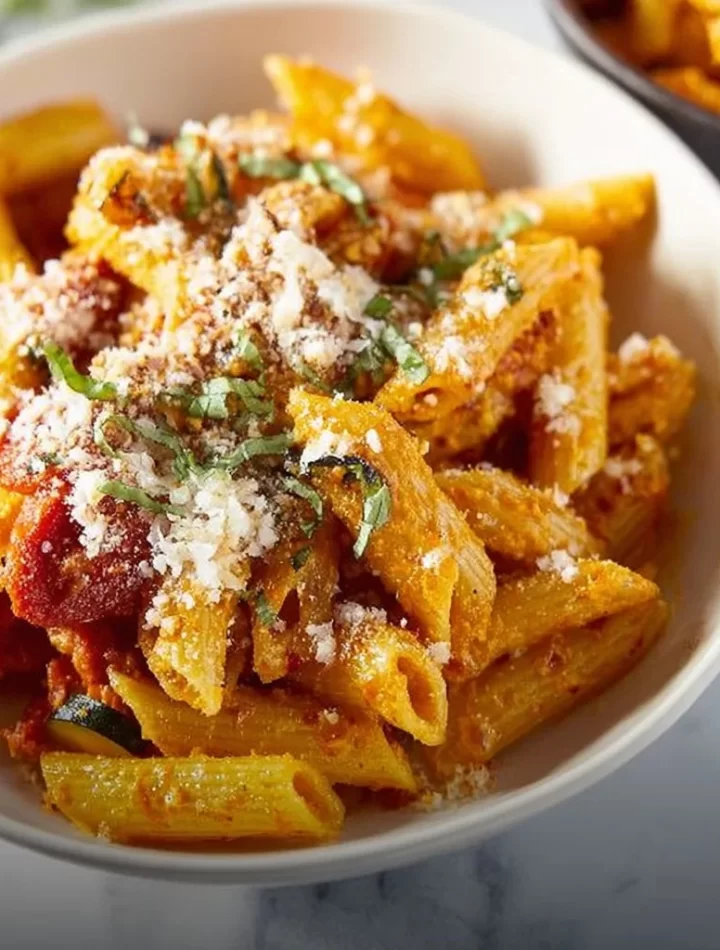
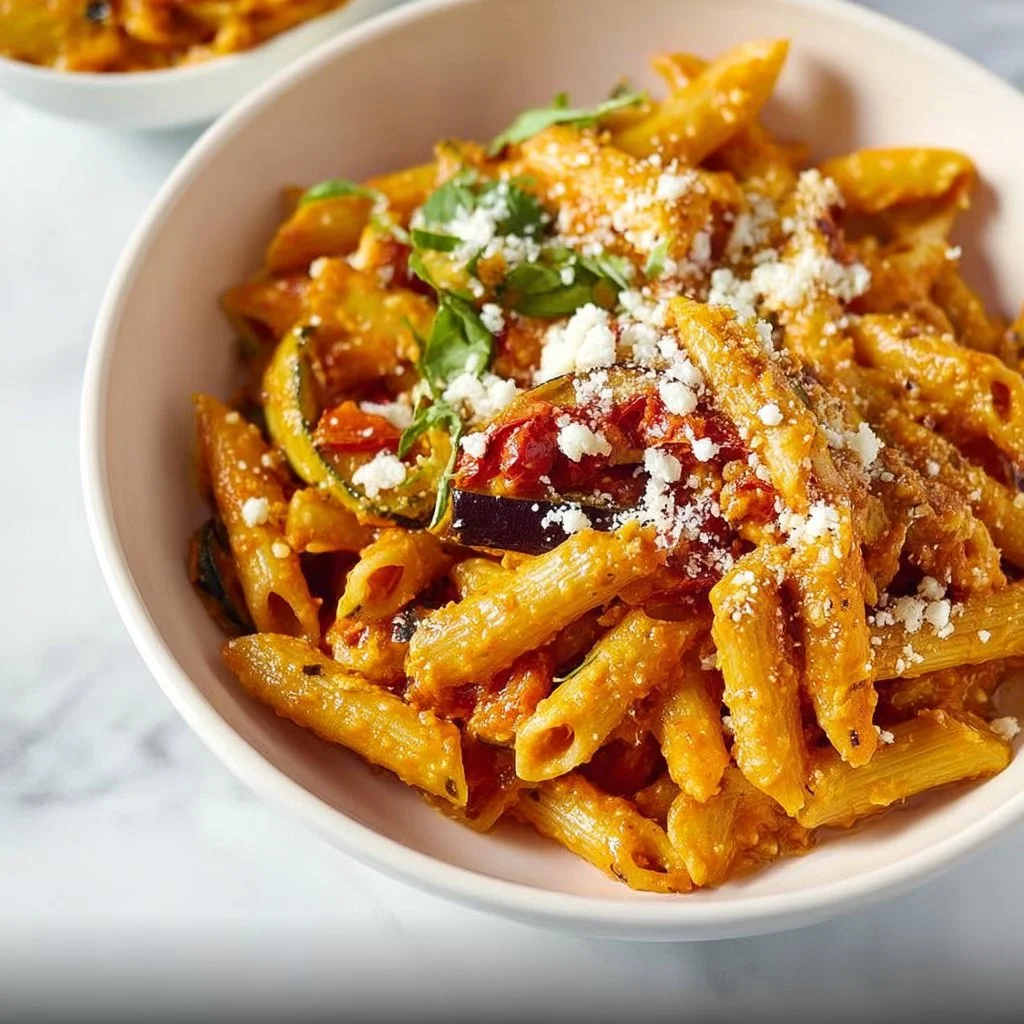
This roasted vegetable pasta sauce loves to be showcased. Serve it tossed with rigatoni or penne — tubular shapes catch the creamy flecks of roasted veg — or use long spaghetti for twirling theater. Plate a generous scoop of pasta in shallow bowls, add a little extra sauce on top for beauty, and garnish with freshly torn basil and a scattering of grated Parmesan.
For a cozy, dinner-party vibe, add a drizzle of good olive oil and a few toasted pine nuts or breadcrumbs for crunch. Serve alongside a bright green salad (think arugula with lemon and shaved parmesan) and warm, crusty bread to sop up any leftover sauce. If you want to elevate it for guests, top with pan-seared shrimp or crispy prosciutto shards and a squeeze of lemon.
For weeknight simplicity, toss the sauce with pasta, sprinkle on some grated cheese, and eat straight from the pan while it’s still steaming. If you have leftovers, turn them into a baked pasta: spread pasta and sauce in a baking dish, top with mozzarella, and bake at 375°F (190°C) until bubbly and golden.
Recipe Variations:
-
Vegan Creamy Roasted Veg Sauce
- Swap Parmesan for 1/3 cup nutritional yeast and finish with a swirl of cashew cream or coconut cream for richness. Add a pinch of smoked paprika for warmth.
-
Spicy Arrabbiata Twist
- Double the red pepper flakes during roasting and stir in a spoonful of Calabrian chili paste when you finish the sauce. Top with fresh parsley to cool the heat.
-
Mediterranean Roast
- Add olives, capers, and a squeeze of lemon after blending. Stir in crumbled feta at the end and serve over bucatini for a salty, tangy riff.
-
Meat-Forward Option
- Brown Italian sausage or ground turkey first, drain excess fat, then add the blended sauce to the pan and simmer. This adds savory heft without extra work.
-
Roasted Root Vegetable Variation (Fall/Winter)
- Swap zucchini and peppers for roasted butternut squash, carrots, and parsnips. Use sage instead of basil and finish with a nutty grated cheese like pecorino.
Chef’s Notes:
I’ve been making and tweaking this roasted vegetable pasta sauce for years, and three things consistently make the biggest difference: high oven heat for caramelization, quality canned tomatoes, and patient seasoning at the end. One kitchen mishap that still makes me laugh involved a blender full of hot sauce that I tried to blend too quickly — the lid leapt off like a tomato geyser and I earned a new scar for my apron. Now I always let hot mixtures cool a minute and keep a kitchen towel handy.
Also, don’t be afraid to play with texture. I often reserve a handful of roasted veggies, finely chop them, and stir them back into the smooth sauce for lovely flecks and bites. The recipe scales beautifully, freezes well, and is a lifesaver for lunch prep. If you keep a jar in the fridge, you always have a quick, delicious base for soups, shakshuka-style eggs, or a pizza topping.
FAQs and Troubleshooting:
Q: My sauce tastes flat — how can I fix it?
A: Flatness usually comes from under-seasoning or missing acid. Stir in a teaspoon of balsamic vinegar, lemon juice, or a pinch of sugar, then re-taste and adjust salt. A little grated Parmesan or nutritional yeast also adds umami.
Q: The sauce is too watery — what now?
A: Simmer it longer uncovered to reduce, or blend in a small spoonful of tomato paste to thicken and concentrate flavor. Alternatively, add less pasta water when tossing.
Q: My roasted vegetables burned on the edges — is it ruined?
A: A little char is flavor; if the edges are mostly black and taste bitter, pick those pieces out before blending. Next time, shake the pan halfway through or reduce oven temp slightly.
Q: Can I make this ahead and freeze it?
A: Yes! Cool completely, portion into airtight containers, and freeze for up to 3 months. Thaw overnight in the fridge and gently reheat on the stove with a splash of water or olive oil.
Nutritional Info (approximate, per serving for 4 servings):
- Calories: ~420–520 kcal (varies by pasta type and cheese)
- Fat: 14–22 g (from olive oil and cheese; higher if you add cream or butter)
- Carbohydrates: 58–70 g (primarily from pasta and tomatoes)
- Fiber: 6–9 g (depending on vegetable mix)
- Protein: 12–18 g (parmesan and pasta contribute; increases with added meat)
- Sodium: ~600–900 mg (varies based on salt and canned tomato brand)
Notes on nutrition:
This is an approximate breakdown and will shift with your choices — using whole-grain or legume-based pasta bumps fiber and protein, while swapping heavy cream for olive oil lowers saturated fat. If you want a lighter plate, use a larger portion of roasted veggies with a smaller pasta portion, or serve over spaghetti squash or spiralized zucchini. For more protein, toss in cooked chickpeas, lentils, or grilled chicken. If you’re watching sodium, choose a low-sodium canned tomato and hold back on added salt until the end.
Conclusion
Roasted vegetable pasta sauce is one of those gloriously flexible recipes that feels elevated but really comes together with minimal effort. It celebrates whatever produce you have, turns weeknight dinner into something to savor, and plays nicely with countless variations. If you’d like another roasted-vegetable-based inspiration or a slightly different approach to blending and seasoning, check out Roasted Veggie Tomato Sauce for Pasta – Eating by Elaine for a lovely complementary version. Now go preheat that oven, roast those veggies, and text your best friend: “You have to try this!” — Emily
Print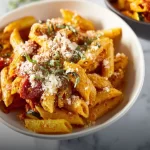
Roasted Vegetable Pasta Sauce
- Total Time: 50 minutes
- Yield: 4 servings 1x
- Diet: Vegetarian
Description
A smoky, silky roasted vegetable pasta sauce that’s quick to make and packed with cozy flavors.
Ingredients
- 3 cups assorted vegetables (bell peppers, zucchini, eggplant, carrots), chopped
- 1 medium yellow onion, quartered
- 6–8 cloves garlic, peeled
- 1 (28 oz) can whole peeled tomatoes
- 2 tbsp olive oil (plus more for finishing)
- 1 tsp kosher salt, plus more to taste
- 1/2 tsp freshly cracked black pepper
- 1 tsp dried oregano or 1 tbsp fresh oregano leaves
- 1 tsp red pepper flakes (optional)
- 1 tbsp balsamic vinegar or 1 tsp sugar (optional)
- 1/4 cup grated Parmesan (or nutritional yeast for vegan)
- Fresh basil leaves for finishing
- 12 oz pasta of choice (rigatoni, penne, or spaghetti)
Instructions
- Preheat your oven to 425°F (220°C). Chop all your vegetables into roughly even pieces so they roast uniformly. Line a sheet pan with parchment or foil.
- Toss the chopped vegetables, onion, and whole garlic cloves with olive oil, salt, pepper, and red pepper flakes if using.
- Roast in the preheated oven for 25–35 minutes, flipping halfway through.
- Transfer the roasted veggies to a blender with the canned tomatoes and balsamic vinegar or sugar. Blend until smooth.
- Warm a skillet over medium heat, add the blended sauce, and stir in Parmesan. Let it simmer for 8–10 minutes.
- Cook the pasta in salted boiling water until al dente. Reserve 1 cup of pasta water, then drain the pasta.
- Add the drained pasta to the skillet with the sauce, tossing to coat.
- Finish with olive oil or a pat of butter and torn basil leaves before serving.
Notes
For added creaminess, stir in a splash of heavy cream just before serving. This sauce freezes well for future meals.
- Prep Time: 15 minutes
- Cook Time: 35 minutes
- Category: Main Course
- Method: Baking
- Cuisine: Italian
Nutrition
- Serving Size: 1 serving
- Calories: 450
- Sugar: 7g
- Sodium: 650mg
- Fat: 16g
- Saturated Fat: 4g
- Unsaturated Fat: 8g
- Trans Fat: 0g
- Carbohydrates: 60g
- Fiber: 8g
- Protein: 14g
- Cholesterol: 15mg
Keywords: pasta sauce, roasted vegetables, vegetarian pasta