Bring the Cozy Italian Restaurant Magic Home
Hey there, friend! Can we just take a moment to talk about that magical feeling of sitting down at a bustling Italian restaurant? The chatter, the warmth, the incredible smell of garlic and herbs that hugs you the second you walk in the door. And then the menu arrives, and your eyes go straight to the soup section because of course you’re getting the minestrone. It’s a bowl of pure, unadulterated comfort—a hug in a mug, if you will. A symphony of veggies, beans, and pasta swimming in a savory, tomatoey broth that just feels… right. For years, I tried to replicate that exact feeling in my own kitchen. My early attempts were… let’s call them “souper” learning experiences. (I couldn’t resist the pun, sorry not sorry!). They were either too thin, too bland, or just missing that certain je ne sais quoi that makes restaurant minestrone so special. But after countless pots, a few happy accidents, and a deep dive into the soul of what makes this soup tick, I cracked the code. And today, my friend, I’m handing that code straight to you. This isn’t just a soup recipe. It’s your ticket to creating that cozy, feel-good restaurant ambiance right on your stovetop. We’re talking about a hearty, wholesome, flavor-packed Olive Garden-Inspired Minestrone that’s surprisingly simple to make. It’s the perfect project for a lazy Sunday, a lifesaver for busy weeknights, and it tastes even more incredible the next day (if it lasts that long!). So, tie on your favorite apron—the one with the questionable stains that prove you know your way around a kitchen—and let’s make something delicious that will have your whole house smelling like an Italian nonna’s dream.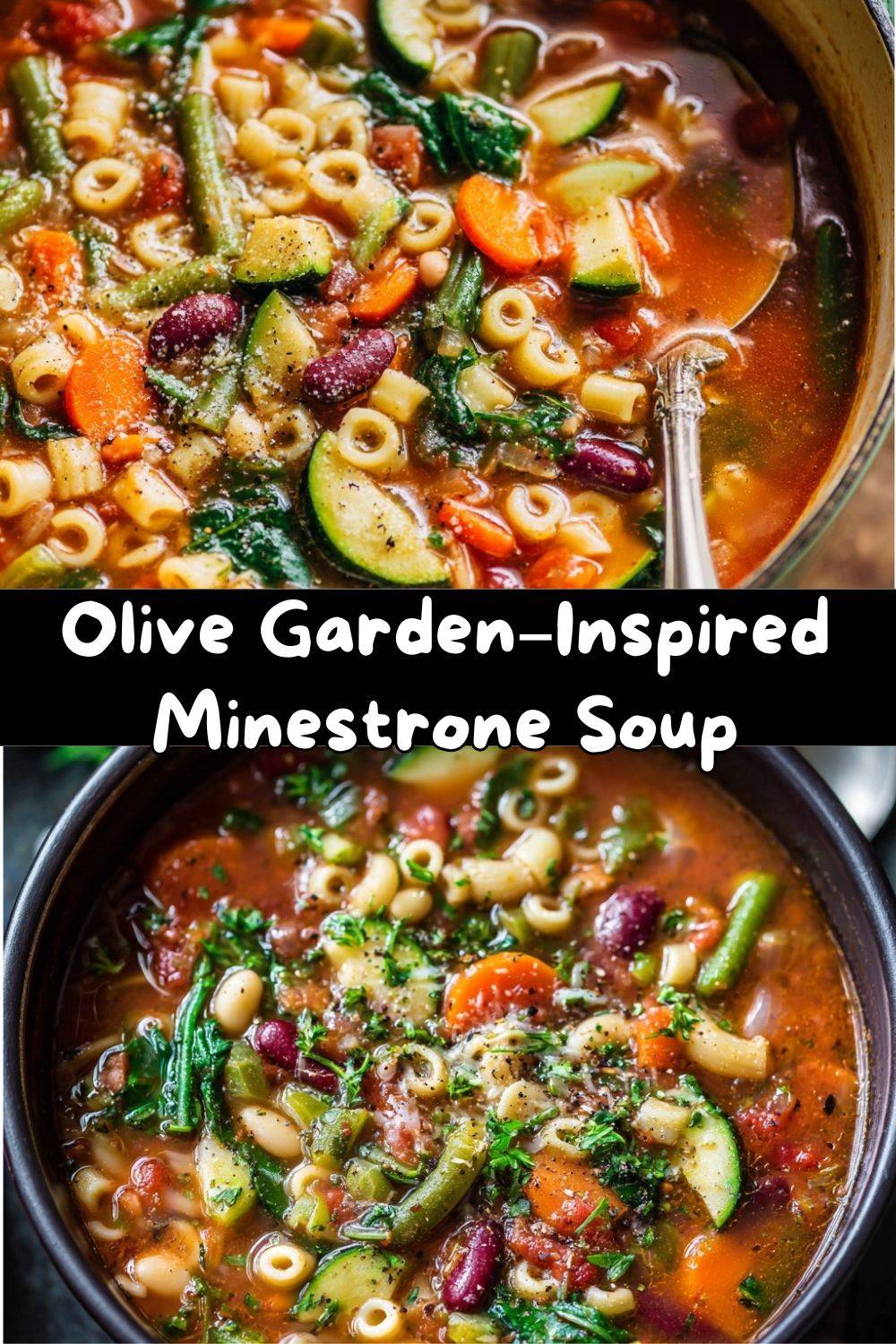
The Soup That Started With a Splash (Literally)
My love affair with minestrone has deep roots, and they’re tangled up with my Grandma Eleanor. She was a “little of this, handful of that” kind of cook, and her minestrone was a legendary weekly event. It was never the same twice, depending on what was in her garden or what needed using up in the fridge. I’d sit at her counter, legs swinging, “helping” by washing vegetables that inevitably ended more on me than in the colander. One particularly memorable autumn afternoon, I was tasked with adding the can of tomatoes. In my enthusiastic seven-year-old hands, the can opener slipped, and a glorious, chunky arc of red juice and tomatoes splashed right into the pot—and all over the front of my sweater, the counter, and the floor. I froze, expecting a scolding. Instead, Grandma threw her head back and laughed that big, warm laugh of hers. “Well, look at that, Emmy!” she said, wiping a tear from her eye. “The soup wanted to give you a kiss! Now you’re officially part of the recipe.” She handed me a spoon, we stirred in the mess together, and I’ve never tasted a soup more perfect. That’s the spirit I bring to this pot. Minestrone isn’t about precision; it’s about heart, resourcefulness, and a little happy chaos. It’s forgiving, flexible, and always, always comforting. Every time I make it, I think of that tomato-splattered sweater and smile. This recipe is my tribute to that feeling.Gathering Your Flavor Cast
Here’s everything you’ll need to build this masterpiece. Don’t stress if you’re missing an item or two—I’ve packed in my favorite swaps and chef secrets right alongside!- 2 tbsp olive oil: Our flavorful foundation for sautéing. Extra virgin gives the best taste!
- 1 small onion, diced: The aromatic base of so many great dishes. A yellow or white onion works perfectly here.
- 2 cloves garlic, minced: Please, for the love of all that is flavorful, use fresh garlic! That jarred stuff just can’t compete.
- 2 carrots, chopped: They add a touch of natural sweetness and great texture. No need to peel them perfectly—just give ’em a good scrub.
- 2 celery stalks, chopped: The unsung hero of the flavor base (the “soffritto”). It adds a subtle, savory depth.
- 1 zucchini, diced: A classic minestrone veggie that cooks up tender and lovely. Yellow squash makes a great stand-in.
- 1 cup green beans, chopped: Fresh is fantastic, but in a pinch, frozen (thawed) green beans work in a snap. No need to be exact with the cup measure—a handful is fine!
- 1 (15 oz) can diced tomatoes: Chef’s Insight: Don’t drain these! We’re using the juice and all for maximum tomato flavor. Fire-roasted diced tomatoes are a game-changer for a smoky hint.
- 1 (15 oz) can kidney beans, drained & rinsed: They add a meaty texture and beautiful color. Rinsing removes the excess sodium and that canning liquid taste.
- 1 (15 oz) can cannellini beans, drained & rinsed: These creamy white beans are like little pillows of comfort. Chickpeas (garbanzo beans) are a stellar substitute.
- 4 cups vegetable broth: This is the soul of your broth! Use a good-quality one. Pro Hack: Have a Parmesan rind in the fridge? Toss it in with the broth! It melts into the soup, adding an incredible, savory umami richness.
- 1½ cups water: Just to get the right consistency. You can use all broth if you prefer a richer soup.
- 1 tsp Italian seasoning: A convenient blend of dried herbs. If you don’t have it, a mix of dried basil, oregano, rosemary, and thyme will do the trick.
- Salt and black pepper to taste: Season in layers! We’ll add some now and adjust at the end.
- 1 cup small pasta (ditalini or elbow): The classic choice. Ditalini are like little soup tubes perfect for catching broth. Important Note: To prevent the pasta from getting mushy in leftovers, consider cooking it separately and adding it to each bowl.
- 2 cups fresh spinach or kale: We’re stirring in a powerhouse of greens at the end for a vibrant color and nutrient boost. Baby spinach wilts instantly; kale needs a minute or two more.
Let’s Get Cooking: Building Flavor, Step by Step
Okay, team! Let’s fire up the stove. This is where the magic happens, and I’ll be right here with you, sharing all my little kitchen hacks.- Sizzle Your Aromatics: In a large Dutch oven or heavy-bottomed pot, heat the olive oil over medium heat. Once it shimmers, add the onion, garlic, carrots, and celery. Now, here’s the key: we’re not just quickly frying them. We’re going to sweat them. That means cooking them gently for about 5-7 minutes until they’re softened and the onions are turning translucent, but not browned. This low-and-slow start builds a sweet, deep flavor foundation that makes all the difference. You should smell absolute heaven.
- The Veggie Party: Time to invite everyone to the pot! Stir in the diced zucchini and green beans. Let them mingle with the aromatics for just a minute. Then, pour in the entire can of diced tomatoes (juice included!), the drained kidney and cannellini beans, vegetable broth, water, and Italian seasoning. Give it a good, hearty stir. Season with a big pinch of salt and a few grinds of black pepper. Remember that Parmesan rind? If you’re using it, drop it in now like a flavor treasure.
- Simmer to Perfection: Crank the heat up to high and bring your beautiful concoction to a boil. Once it’s bubbling happily, immediately reduce the heat to low, cover the pot with a lid slightly ajar (this prevents it from boiling over but allows some steam to escape), and let it simmer for 15 minutes. This gentle cooking melds the flavors together and tenderizes the vegetables perfectly. Your kitchen will smell incredible.
- Pasta Time: Uncover the pot and stir in your dry pasta. Let the soup return to a gentle simmer and cook, uncovered, for about 8-10 minutes, or until the pasta is al dente (tender but still with a slight bite). Stir it occasionally to prevent sticking. Mega-Important Tip: If you plan on having leftovers, cook the pasta separately according to package directions, drain it, and add a portion to each bowl when serving. This keeps it from soaking up all the broth and becoming bloated in the fridge.
- The Green Finish: Turn off the heat. Stir in the fresh spinach or kale. The residual heat from the soup will wilt the greens perfectly within a minute or two. This preserves their bright color and fresh taste. Now, do your final taste test! Does it need another pinch of salt? A crack of pepper? This is your moment to make it perfect for you. Fish out the Parmesan rind if you used one (it will be soft and mostly melted—discard it).
Bowling It Up: How to Serve Your Masterpiece
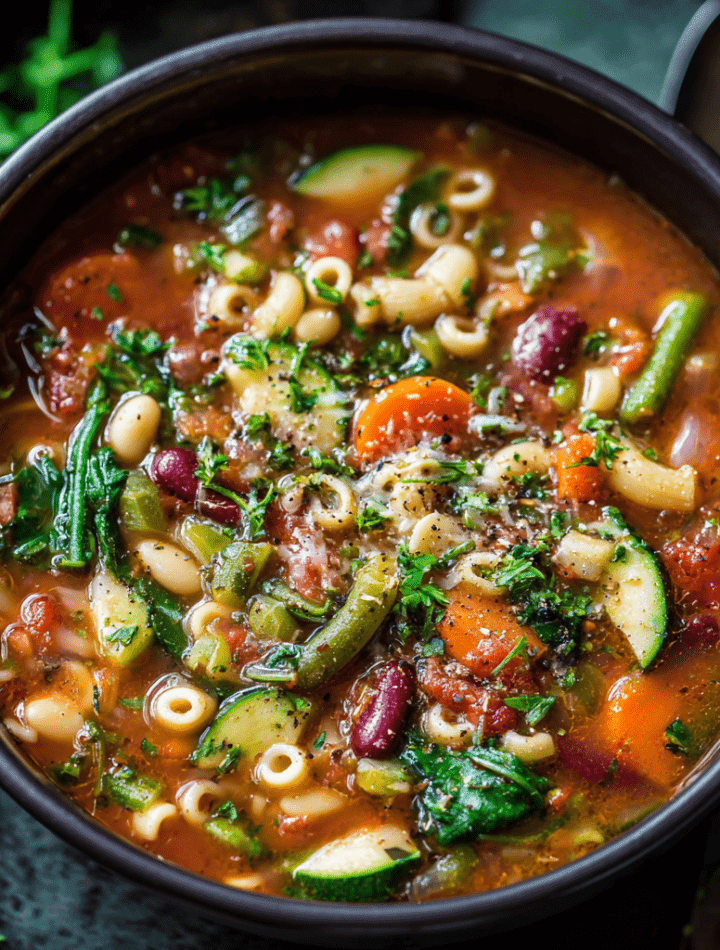
Presentation is part of the fun! Ladle that steaming, gorgeous soup into deep, wide bowls. The vibrant colors of the carrots, beans, tomatoes, and greens are a feast for the eyes before you even take a bite. Now, let’s talk toppings. This is where you can really make it your own. I love a generous sprinkle of freshly grated Parmesan cheese (the real stuff, please!) and a crack of black pepper. A drizzle of good extra virgin olive oil right at the end adds a lovely richness and shine. But wait, there’s more! Consider serving it with a big, crusty loaf of garlic bread or warm, fluffy breadsticks for dipping. A simple side salad with a tangy Italian vinaigrette is the perfect fresh counterpoint to the hearty soup. Most importantly, gather your people. Soup is meant to be shared. Call everyone to the table, watch their eyes light up, and soak in the compliments. You made this!Make It Your Own: Delicious Twists & Swaps
The beauty of minestrone is its flexibility. Here are a few of my favorite ways to shake it up:- The “Tuscan” Twist: Swap the cannellini beans for chickpeas, add a chopped bunch of Tuscan kale (lacinato kale), and finish each bowl with a spoonful of fragrant pesto. Instant trip to Florence!
- Hearty Meat Lover’s Version: Before sautéing the veggies, brown ½ pound of Italian sausage (casings removed) or diced pancetta in the pot. Remove, then proceed. Add the cooked meat back in with the beans.
- Gluten-Free & Grain-Free: Simply omit the pasta! The soup is plenty hearty with all the beans and veggies. You can also add ½ cup of quinoa or rice when you add the broth (simmer for 20 mins before adding other veggies).
- Summer Garden Glory: In peak season, use all fresh tomatoes! Blanch and peel about 4 large tomatoes, chop them, and use them instead of the canned. Add fresh sweet corn kernels and fresh basil at the end.
- The “Clean Out the Fridge” Version: Got a lone potato? Dice it! Half a bell pepper? Chop it! A handful of leftover cooked veggies? Toss ’em in! This soup is the ultimate kitchen-sink dish.
Emily’s Kitchen Confidential
This recipe has been my trusty friend for years, and it’s evolved with me. The Parmesan rind trick? Learned that from a line cook during my culinary school internship. He saw me about to throw one away and nearly had a heart attack! “That’s liquid gold, kid!” he barked. He was right. I’ve been hoarding rinds in a bag in my freezer ever since. I also used to be militant about the “right” pasta shape. Then one night, all I had was broken spaghetti. I snapped it into small pieces, tossed it in, and you know what? It was fantastic. Let this soup be a reminder that cooking is about joy, not perfection. If you love it, you made it right.Your Soup Questions, Answered!
Q: My soup got too thick overnight! Help! A: No worries! Minestrone is a thirsty soup—the pasta and beans continue to absorb liquid. Just thin it out with a little water, broth, or even a splash of tomato juice when you reheat it. It’ll taste great. Q: Can I make this in a slow cooker or Instant Pot? A: Absolutely! For a slow cooker: Sauté veggies in a pan first for best flavor, then add everything except pasta and greens to the crock. Cook on LOW 6-8 hrs or HIGH 3-4 hrs. Add pasta and greens last 20-30 mins of cooking. For an Instant Pot: Use sauté function for Step 1. Add everything except pasta and greens. Pressure cook on HIGH for 5 minutes, quick release. Use sauté function again to cook pasta and wilt greens. Q: Is this soup freezer-friendly? A> Yes, but with a caveat. Freeze it without the pasta, as it turns mushy when frozen and reheated. Cook and add fresh pasta when you serve the thawed and reheated soup. It will keep for up to 3 months. Q: My soup tastes a bit flat. How can I deepen the flavor? A> Great question! This is common. First, make sure you’ve salted sufficiently—salt brings all the other flavors forward. Next time, try sautéing a tablespoon of tomato paste with the initial veggies for a minute before adding the liquids. A splash of red wine vinegar or a squeeze of lemon juice at the very end can also brighten and balance everything beautifully.Nourishing Your Body & Soul
While I’m all about flavor first, it feels good to know what’s fueling you! This minestrone is a nutritional powerhouse. It’s packed with fiber from all those beautiful beans and vegetables, which is great for digestion and keeping you full. The tomatoes provide vitamin C and lycopene, the leafy greens add iron and vitamins A and K, and using olive oil gives you those heart-healthy fats. Approximate Nutrition Per Serving (based on 6 servings, using all broth and including pasta): Calories: 240 | Total Fat: 6g | Saturated Fat: 1g | Sodium: Varies based on broth (use low-sodium to control) | Total Carbohydrates: 38g | Dietary Fiber: 10g | Sugars: 8g | Protein: 10g Remember, these are estimates. The best part is you’re eating a bowl full of real, whole foods. That’s a win in my book!Final Simmering Thoughts
And there you have it! Your very own pot of Olive Garden-inspired magic right from your own stovetop.Final Simmering Thoughts: A Bowl That Brings Everyone Back to the Table
This Olive Garden–inspired minestrone isn’t just about copying a restaurant favorite—it’s about recreating a feeling. The kind where the house feels warmer, the day feels slower, and everyone lingers just a little longer at the table. It’s humble food, made generous. The kind of soup that forgives substitutions, welcomes leftovers, and somehow tastes even better the next day when the flavors have had time to really fall in love.
I hope this recipe becomes one of those reliable friends in your kitchen—the one you turn to when you need comfort, nourishment, or just a reminder that simple food can be deeply satisfying. Make it your own. Splash a little tomato juice on your sweater if you must. Laugh, taste as you go, and don’t worry about perfection.
From my cozy kitchen to yours,
Emily