Pomegranate Molasses Chicken: Your New Favorite Tangy, Glossy Dinner
Hey there, friend! Chef Emily here, ready to share one of those recipes that feels like a secret weapon. You know the kind? It looks like you spent hours crafting something spectacular, tastes like a vibrant hug for your taste buds, but secretly comes together in about the same time it takes to watch your favorite sitcom. That’s the magic of this Pomegranate Molasses Chicken Breast.
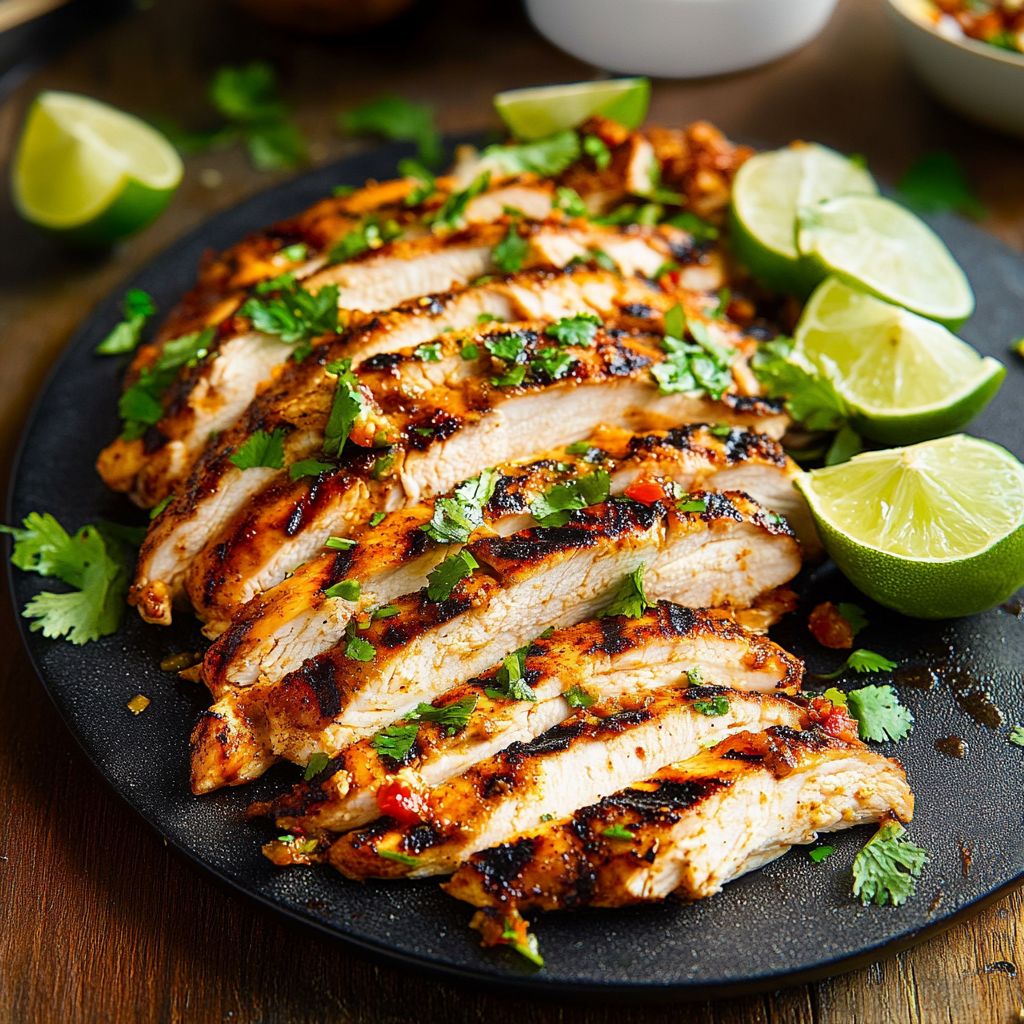
Picture this: golden, pan-seared chicken, juicy and tender, cloaked in a glaze so deeply flavorful, so sticky and glossy, it practically gleams under your kitchen lights. It’s a beautiful dance of tangy and sweet, with a subtle warmth from spices, all finished with a shower of jewel-like pomegranate arils and fresh herbs. This isn’t just dinner; it’s a centerpiece. It’s the dish you make when you want to treat your family on a Tuesday, or impress guests without breaking a sweat on a Saturday. It’s bold, beautiful, and brimming with the kind of Middle Eastern-inspired flavor that makes everyone at the table ask, “What is *in* this?!” Spoiler: the star is a bottle of pomegranate molasses, and after today, you’re going to want to put it on everything. So, tie on that apron (the messy one is always the best), and let’s turn simple chicken into something truly extraordinary.

The Day I Fell in Love with a Bottle of Syrup
My love affair with pomegranate molasses started not in a fancy restaurant, but in the cramped, wonderfully chaotic aisle of a tiny international market. I was on the hunt for tahini, but my eyes landed on this dark, mysterious bottle labeled “Pomegranate Molasses.” I was intrigued. I brought it home, gave it a timid taste straight off a spoon, and my face did that whole pucker-and-smile thing simultaneously. It was incredible! Tart like a cranberry, deep like aged balsamic, and sweet like reduced fruit, all in one.
That bottle sat in my fridge for a week while I gathered courage. Then, on a night when the only protein I had was a pack of chicken breasts (we’ve all been there), I decided to experiment. I seared the chicken, deglazed the pan with a glug of this magical syrup, added a squeeze of lemon and a whisper of garlic… and friends, a kitchen legend was born. The way that thick syrup reduced into a glaze that clung to every nook and cranny of the chicken was nothing short of alchemy. That first bite? It was a “text-your-best-foodie-friend-immediately” moment. It reminded me that the most exciting culinary adventures often begin with one brave ingredient swap. This dish is that adventure, simplified for your weeknight joy.
Gathering Your Flavor Powerhouse Ingredients
Here’s the beautiful part: the ingredient list is short and sweet (and tangy!). Each one plays a crucial role in building that unforgettable flavor profile.
- 4 boneless, skinless chicken breasts: The blank canvas! I like to pick plump, even-sized breasts for consistent cooking. Chef’s Insight: For maximum juiciness, take them out of the fridge 15-20 minutes before cooking to take the chill off.
- Salt and freshly ground black pepper, to taste: The fundamental seasonings. Don’t be shy here—seasoning the chicken well is step one to great flavor.
- 1 tablespoon olive oil: Our searing agent. A good, neutral olive oil or even avocado oil works perfectly.
- 2 garlic cloves, minced: Aromatic foundation. That sizzle when it hits the pan is the sound of flavor building! Sub Tip: In a pinch, ½ teaspoon of garlic powder stirred into the sauce works.
- 1/3 cup pomegranate molasses: The STAR. This is not regular molasses; it’s a reduced, concentrated syrup from pomegranate juice. Find it in Middle Eastern markets, well-stocked grocery stores, or online. It’s worth the hunt! Chef’s Insight: The quality varies. Taste it! It should be pleasantly tart and complex, not just sugary.
- 2 tablespoons honey (optional): The sweetness balancer. If your pomegranate molasses is very tart or you have a sweet tooth, this round it out beautifully. Sub Tip: Maple syrup or agave nectar are great vegan alternatives.
- 1 tablespoon lemon juice or orange juice: The brightener! Lemon adds a sharper tang, orange a mellower, fruity acidity. I love the orange pairing.
- 1/2 teaspoon ground cumin or allspice (optional): The warm, cozy hug. Cumin adds an earthy, savory depth, while allspice gives a warmer, slightly peppery note. Try one, or skip it for pure pomegranate punch!
- Fresh pomegranate seeds and chopped parsley, for garnish: The confetti! This isn’t just pretty—the fresh, crunchy pomegranate seeds burst with juice against the rich glaze, and the parsley adds a necessary fresh finish. Don’t skip the garnish!
Let’s Cook! Step-by-Step to Glazed Perfection
Ready to create some magic? Follow these steps, and I’ll walk you through every little chef hack I’ve learned along the way.
Step 1: Prep & Season. Pat your chicken breasts completely dry with paper towels. This is my number-one tip for a gorgeous, golden sear—no steam, just crisp. Season both sides generously with salt and pepper. While you do this, let your skillet heat up over medium-high heat. A hot pan is key!
Step 2: The Golden Sear. Add the olive oil to the hot pan. Carefully place the chicken breasts in. You should hear a confident sizzle. Now, here’s the hard part: don’t move them! Let them cook, undisturbed, for 5-6 minutes. This builds that beautiful, flavorful crust. Peek underneath; when it’s golden brown, flip them. Cook for another 5-6 minutes on the other side. They should be almost cooked through (they’ll finish in the sauce). Remove them to a plate and let them rest. Chef’s Hack: If your breasts are very thick, you can gently pound them to an even thickness with a rolling pin or pan for perfectly even cooking.
Step 3: Build the Glaze. Reduce the heat to medium. In the same glorious pan (all those browned bits = flavor gold!), add the minced garlic. Cook for just 30 seconds until fragrant—don’t let it burn! Pour in the pomegranate molasses, honey (if using), lemon juice, and your chosen spice. Stir, scraping up all those delicious browned bits from the bottom of the pan. Let the mixture simmer for 2-3 minutes. It will bubble and thicken slightly into a luxurious, glossy syrup.
Step 4: The Glaze & Finish. Return the chicken breasts and any accumulated juices on the plate to the skillet. Spoon that gorgeous glaze over the top of each piece repeatedly. Let everything cook together for another 3-5 minutes, turning the chicken once or twice, until the sauce is thick and sticky and the chicken reaches an internal temperature of 165°F. The glaze will coat the chicken like a shiny, flavorful lacquer. Chef’s Tip: If your sauce ever gets too thick, just add a tablespoon or two of water or chicken broth to loosen it up.
How to Serve Your Masterpiece
Presentation is part of the fun with this dish! I like to place a chicken breast on each plate and spoon over any extra glaze from the pan. Then, the grand finale: a generous sprinkle of vibrant red pomegranate arils and a flourish of bright green chopped parsley or even fresh mint. The color contrast is stunning.
Now, what to serve alongside? For a truly fabulous meal, I love pairing it with something creamy and something fresh to balance the bold glaze. A big pile of fluffy couscous or jasmine rice is perfect for soaking up every last drop of sauce. A simple Greek yogurt with lemon zest and dill makes a cool, creamy side. For veggies, try roasted broccoli or carrots (they love the same oven while you cook!), or a crisp cucumber and tomato salad with a lemony vinaigrette. It’s a complete, restaurant-worthy plate that’s totally weeknight-doable.
Make It Your Own: Delicious Twists & Swaps
Once you master the basic formula, the world is your oyster! Here are a few of my favorite ways to riff on this recipe:
- Go for Thighs: Swap chicken breasts for boneless, skinless thighs. They’re more forgiving and stay incredibly juicy. Just add a few minutes to the searing time.
- Nutty Crunch: After removing the cooked chicken, sprinkle a handful of toasted slivered almonds or pine nuts into the reducing sauce for the last minute. They add a wonderful texture.
- Spice It Up: Add a pinch of red pepper flakes or a dash of cayenne to the glaze for a sweet-heat kick.
- Herb Garden: Stir a tablespoon of chopped fresh thyme or rosemary into the sauce with the garlic for an earthy, aromatic twist.
- Sheet Pan Simplify: For hands-off cooking, arrange chicken and chopped veggies (onions, bell peppers) on a sheet pan. Roast at 400°F for 15 minutes, then brush generously with the pomegranate molasses mixture and roast for another 10-15 minutes until glazed and cooked through.
Chef Emily’s Kitchen Notes
This recipe has been a staple in my home for years, and it’s evolved in the best way. I used to be scared to really let the molasses reduce, worried it would burn. Now I know that patient simmer is what gives us that perfect, sticky consistency. My husband’s favorite version is with orange juice and allspice—he calls it “Christmas Chicken” because the flavors feel so festive. And a funny story: I once made this for a dinner party and a guest spent five minutes trying to politely ask what the “delicious blackberry balsamic” was. When I said “pomegranate molasses,” her eyes lit up and she asked for the brand immediately! That’s the joy of sharing unique flavors.
Your Questions, Answered!
Q: I can’t find pomegranate molasses. What can I use instead?
A: You can make a quick substitute! Simmer 2 cups of 100% pomegranate juice with ¼ cup sugar and a tablespoon of lemon juice until reduced to about ½ cup. It won’t be as thick or intense, but it works in a pinch. Otherwise, a good balsamic glaze can sub for a different, but still delicious, tangy-sweet profile.
Q: My chicken is cooking too fast on the outside but is raw inside. Help!
A> This usually means your pan is too hot. Next time, aim for a medium-high, not roaring high, heat. For now, just finish cooking the chicken in a 375°F oven for 5-10 minutes after searing, then proceed with the sauce.
Q: Can I make this ahead of time?
A> Absolutely! You can sear the chicken and make the sauce separately a few hours ahead. Store them separately in the fridge. Gently reheat the sauce, add the chicken back to the pan, and finish glazing just before serving.
Q: Is the glaze very sweet?
A> It’s a balance! Pomegranate molasses is tangy first, sweet second. The honey is optional for a reason—taste your molasses first. The final dish should be more tangy and complex than cloyingly sweet.
Nutritional Information (Approximate)
Here’s a breakdown of what’s in this flavorful dish. This is for one serving (1 chicken breast with sauce), using the honey and calculated with olive oil.
- Calories: 400
- Protein: 38g (Fantastic for muscle repair and keeping you full!)
- Fat: 16g (Mostly from the heart-healthy olive oil and lean chicken.)
- Carbohydrates: 20g (Primarily from the natural sugars in the pomegranate molasses and honey.)
This dish is a great source of lean protein. Pomegranate molasses also contains antioxidants from the pomegranates. To lighten it up, you can reduce or omit the honey and use a touch of cooking spray for searing. Remember, nutrition is about the overall pattern of eating, and this recipe packs a powerful flavor punch that makes eating well an absolute joy.
Final Thoughts from My Kitchen to Yours
And that’s it, my friend! Your passport to a world of tangy, glossy, incredibly delicious chicken. This Pomegranate Molasses Chicken Breast is more than just a recipe; it’s a reminder that a single special ingredient can transform the ordinary into the extraordinary. It’s about creating something that feels celebratory, even on a regular old Wednesday. I hope you give it a try, play with the variations, and make it your own. And when you do, I’d love to hear about it! Tag me on social or leave a comment over on the blog. Now, go forth, glaze boldly, and most importantly, enjoy every single bite. Until next time, happy cooking!
— Emily 🧡