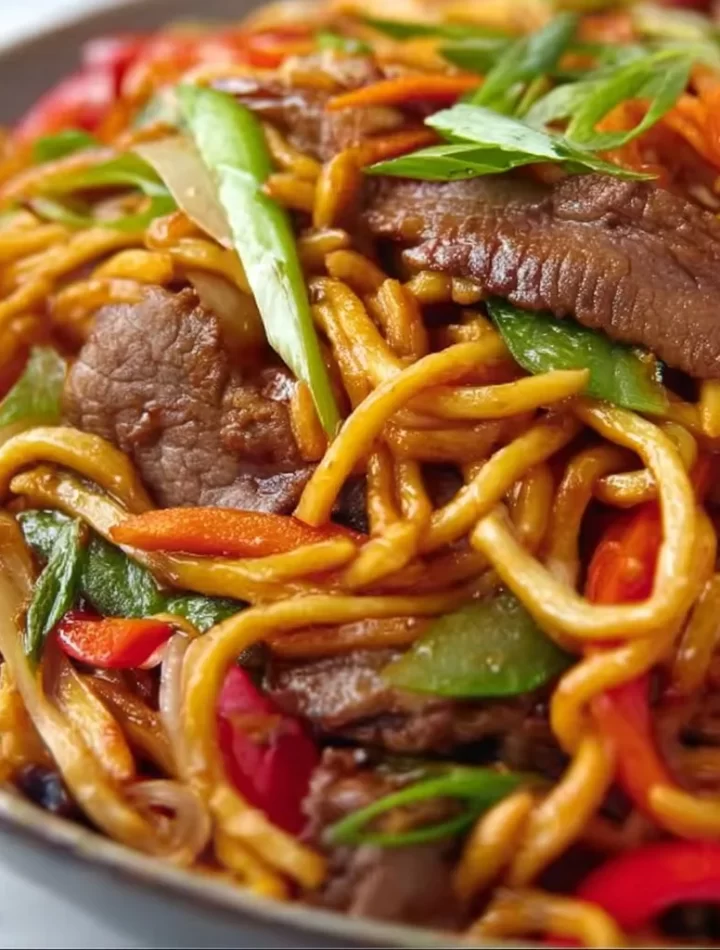
Beef Lo Mein — Cozy, Chewy, Flavor-Packed Noodles You’ll Make Again and Again
Introduction
Hey friends — Emily here, apron on, coffee in hand, and ready to talk about one of my all-time kitchen comforts: Beef Lo Mein. This dish hits that sweet spot between fast weeknight wizardry and indulgent takeout nostalgia. Think chewy egg noodles, tender strips of beef, and a glossy, savory sauce that clings to every strand. It’s the kind of meal that arrives at the table and instantly makes everyone go quiet — that’s how you know it’s good.
I love lo mein because it’s forgiving and fun. You can treat it like a formula: good noodles + great sauce + fresh veg + quick-seared protein = pure satisfaction. It comes together fast, cleans up easily, and scales up for a crowd. Plus, it’s endlessly customizable — toss in whatever veg is languishing in your fridge or swap proteins if you’re cooking for a vegetarian friend. Tonight’s version? Tender marinated beef with crisp-tender bok choy and scallions. The sauce balances umami, a touch of sweetness, and a background warmth from toasted sesame oil. Trust me, it will make you want to text your neighbor to come over.
I’ll walk you through every step — from picking the right noodles and slicing your beef thin to secret sauce tweaks and timing hacks so your vegetables stay snappy. You’ll also get substitution ideas (gluten-free? no problem), plating tips, and a handful of creative variations to keep this recipe fresh in your rotation. Whether you’re feeding picky kids, impressing a date, or just making dinner for one with leftovers for tomorrow, this Beef Lo Mein will make you feel like a superstar in your own kitchen.
Now grab a skillet, heat your wok (or your favorite big pan), and let’s get noodling. This one’s a keeper.
Personal Story
When I was a kid, lo mein meant Saturday nights and jingles on TV — a warm plate delivered in a paper takeout box with a little wire handle that always felt like a treasure. My grandma called it “noodle joy” and would let me peek into the steaming box as if we were sharing secrets. Years later, after culinary school and a few disastrous attempts at perfecting puff pastry (don’t ask), I sat in my tiny apartment kitchen and tried to recreate that exact takeout memory. I didn’t have a wok back then — just a heavy skillet and a lot of stubbornness.
The first time it came together, I nearly cried. The noodles had the right chew, the beef was tender, and the sauce tasted like my childhood Saturday. I started playing with it — adding ginger, swapping in broccoli, even a dab of hoisin for sweetness — and it became my go-to dish for rainy evenings when I wanted something cozy but not fussy. My friends used to joke that if I showed up to a potluck with lo mein, the dishes would disappear first. That’s the power of carbs, people. That nostalgic bowl lives in every slurp of this recipe — a little comfort, a little celebration, and a lot of flavor.
Ingredients
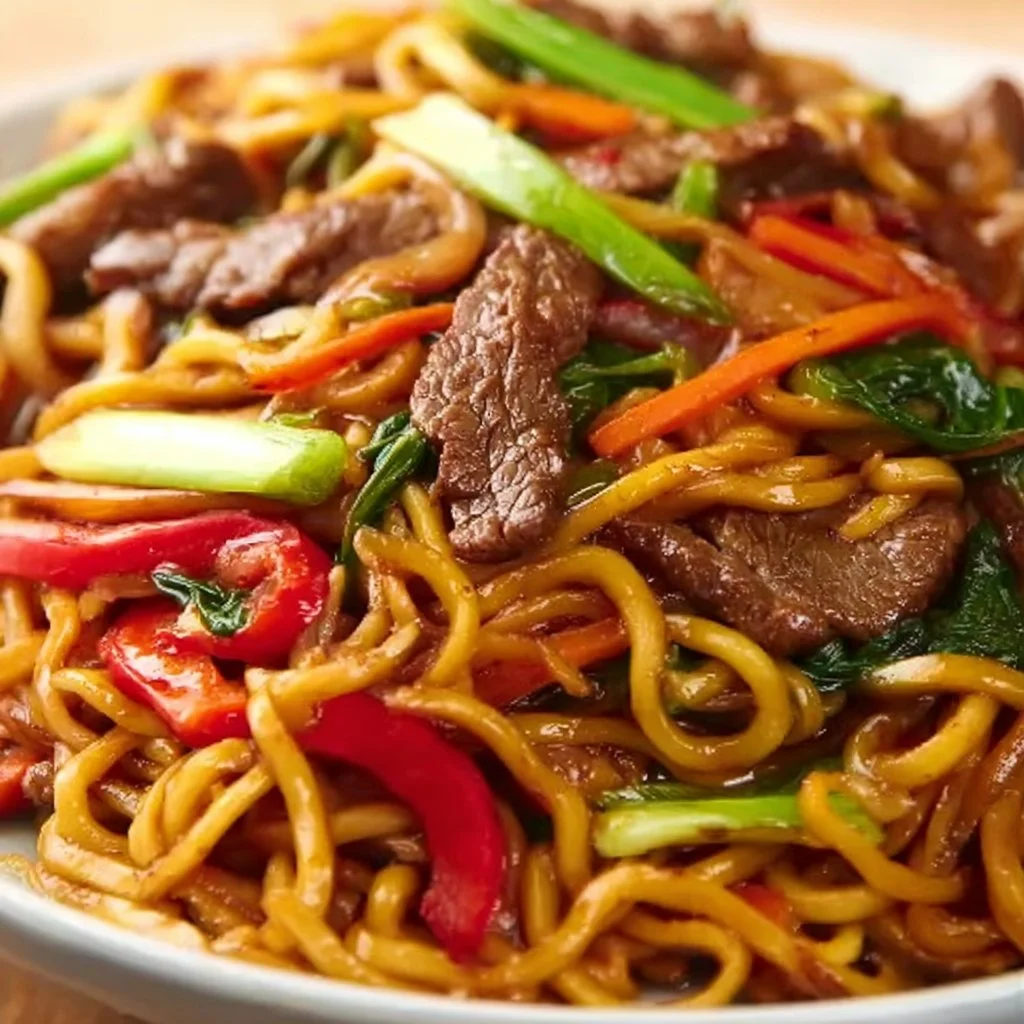
- 8 oz fresh or dried lo mein/egg noodles
- Chef insight: Fresh noodles are silkier and cook faster; dried are perfectly fine — just cook to al dente. Sub: spaghetti or linguine in a pinch.
- 12 oz flank steak or skirt steak, thinly sliced against the grain
- Tip: Freeze for 15–20 minutes to make slicing paper-thin easier. Sub: thin-sliced sirloin, skirt, or even thinly sliced halal/vegan beef alternatives.
- 2 tbsp vegetable oil (or canola) for stir-frying
- Insight: Neutral oils handle high heat. For flavor, finish with a drizzle of toasted sesame oil.
- 3 cups mixed vegetables (bok choy, bell pepper, carrot, snap peas, shredded cabbage)
- Tip: Use what’s fresh—broccoli florets or mushrooms work great. Cut veg so sturdily-firm items are thin to cook quickly.
- 3 scallions, sliced (separate whites and greens)
- Chef hack: Scallion whites go in early for aroma; greens are a fresh finish.
- 3 cloves garlic, minced
- Sub: 1 tsp garlic paste in a pinch. Don’t let garlic burn—add it at the right time.
- 1 tbsp ginger, finely grated
- Insight: Fresh ginger brightens the whole dish. Sub: 1/4–1/2 tsp ground ginger if you must.
- 3 tbsp soy sauce (use low-sodium if watching salt)
- Tip: Tamari works for gluten-free. Balance salt with a pinch of sugar if using dark soy.
- 2 tbsp oyster sauce
- Substitution: Mushroom stir-fry sauce or hoisin can work (slightly sweeter).
- 2 tbsp Shaoxing wine or dry sherry
- Tip: Adds depth and helps tenderize meat. Leave it out if you prefer no alcohol; add a splash of beef broth.
- 1 tbsp rice vinegar
- Chef insight: Adds a little acidity to round out the sauce.
- 1 tbsp brown sugar or honey
- Tip: Balances the salty components; adjust to taste.
- 1 tsp toasted sesame oil (finish)
- Insight: Small amount goes a long way for aroma — add at the end.
- 1/4 tsp freshly ground black pepper
- Optional: 1 tsp chili garlic sauce or a pinch of red pepper flakes
- For heat lovers — go bold or skip for mild flavor.
- Cornstarch slurry: 1 tsp cornstarch + 2 tbsp water
- Use this to thicken the sauce slightly so it clings to the noodles.
Step-by-Step Instructions
- Prep everything first — mise en place is your friend.
- Slice the steak thinly against the grain into 1/8–1/4-inch strips. Trim and cut vegetables into bite-sized pieces. Mix scallion whites with ginger and garlic so they’re ready to hit the pan. Prepare the cornstarch slurry and measure the sauces. Having everything prepped keeps the cook fast and stress-free.
- Marinate the beef quickly.
- In a bowl, combine 1 tbsp soy sauce, 1 tsp Shaoxing wine, and a pinch of black pepper. Toss the beef strips and let sit for 10–15 minutes. This brief marinade boosts flavor and helps tenderize. If you want extra tenderness, add 1 tsp cornstarch to the marinade — it creates a velvet-like coating on the meat when seared.
- Cook the noodles.
- Bring a large pot of salted water to a boil and cook the noodles 1–2 minutes shy of package directions (they’ll finish in the wok). Drain and toss with a tiny drizzle of oil to prevent sticking. If using fresh noodles, they might just need 30–60 seconds in hot water.
- Heat your wok or large skillet.
- Crank the heat to high. When the pan is smoking slightly, add half the vegetable oil and swirl. High heat is essential for that restaurant-style sear and to keep textures crisp-tender.
- Sear the beef in batches.
- Add the beef in a single layer, searing quickly 30–45 seconds per side until browned but not fully cooked through. Remove to a plate. Doing this in batches prevents overcrowding and steaming — you want those caramelized edges.
- Stir-fry the aromatics and vegetables.
- Add the remaining oil, then toss in scallion whites, ginger, and garlic. Stir quickly until fragrant (15–20 seconds). Add the denser vegetables (carrots, bell pepper) and stir-fry for 1–2 minutes, then add quicker-cooking ones (bok choy, snap peas). Keep things moving.
- Bring it all together.
- Return the beef to the pan, then add the cooked noodles. Pour in the combined sauce (remaining soy, oyster sauce, Shaoxing wine, rice vinegar, brown sugar). Toss everything vigorously, using tongs or chopsticks, to coat noodles and distribute heat.
- Thicken and finish.
- Stir the cornstarch slurry and drizzle it in. Toss for 30–60 seconds until the sauce glazes the noodles. Finish with toasted sesame oil and toss once more. Check seasoning — add a splash more soy if you want saltier or a sprinkle of sugar if you want sweeter.
- Garnish and serve hot.
- Toss in scallion greens, give one last toss, and plate immediately. The goal: glossy noodles, snappy veg, tender beef. If you like heat, add a dot of chili garlic sauce on top.
Chef tips sprinkled in:
- Don’t overcook the noodles in the pot — they’ll continue cooking in the wok. Slightly undercooking prevents mush.
- High, dry heat equals that charred, smoky flavor. If you don’t have a wok, a heavy skillet or cast-iron pan works well.
- Keep your knife skills sharp: uniform vegetable sizes ensure even cooking.
- Taste as you go — sauces can vary, so adjust soy, sugar, or vinegar to reach your preferred balance.
Serving Suggestions
Beef Lo Mein is a total crowd-pleaser and plate-ready in under 20 minutes once everything’s prepped. Here’s how I like to serve it:
- Family-style on a large shallow bowl or platter so everyone can dig in with chopsticks. It’s communal and cozy — perfect for casual dinners.
- Garnish with extra scallion greens, a sprinkle of toasted sesame seeds, and a wedge of lime for brightness. The lime adds a fresh pop that cuts through the richness.
- Serve with quick sides like a simple cucumber salad tossed in rice vinegar and sesame oil, or a small mound of pickled daikon for contrast.
- For a restaurant-style presentation, twirl a nest of noodles into a shallow bowl, arrange beef strips on top, and fan the vegetables around the edge. Add microgreens or cilantro for color.
- Leftovers reheat beautifully: toss gently in a hot skillet with a splash of water or broth to loosen the sauce. Avoid the microwave if you can — a quick stir-fry brings back that fresh texture.
Pair with a light-bodied beer, chilled green tea, or a crisp white wine like Sauvignon Blanc for a refreshing counterpoint to the savory noodles. For cozy nights, a cold bottle of lager or a sparkling water with lemon also fits the vibe.
Recipe Variations
- Spicy Korean-Style Beef Lo Mein
- Swap half the oyster sauce for gochujang (Korean chili paste) and add a tablespoon of sesame oil. Finish with toasted sesame seeds and thinly sliced kimchi for a tangy, spicy kick.
- Veggie-Forward Lo Mein (Vegetarian)
- Replace beef with extra firm tofu, pressed and pan-fried until golden. Use mushroom oyster sauce or extra soy + a splash of hoisin for umami. Add shiitake mushrooms and baby bok choy for meaty texture.
- Gluten-Free Lo Mein
- Use tamari or coconut aminos instead of soy sauce and swap in rice noodles or gluten-free egg noodles. Ensure oyster sauce is gluten-free (or use mushroom stir-fry sauce).
- Garlic Butter Beef Lo Mein (Comfort Twist)
- Finish with a knob of butter melted into the sauce and add extra garlic for a rich, cozy spin. This one is indulgent and perfect for colder nights.
- Citrus-Sesame Bright Lo Mein
- Add the zest of one orange and a tablespoon of orange juice to the sauce, finishing with fresh cilantro and a squeeze of lime. It brightens the dish and pairs wonderfully with grilled shrimp or chicken.
Chef’s Notes
This lo mein has evolved in my kitchen more times than I can count. I used to load it up with sugar to chase that takeout sweetness, only to learn that a balance of acid and toasted sesame oil brings everything to life with less sugar. I also found that thin-sliced flank steak gives the best bite without feeling chewy — but if you’re on a budget, sirloin or skirt works beautifully.
A funny thing: once, I tried to show off and doubled the garlic. My boyfriend (now husband) politely took one bite and nicknamed it “garlic lo mein” for the next six months. Lesson learned: garlic is a superpower, but use it wisely. Also, frozen noodles can be a revelation for busy weeknights — they reheat quickly and maintain texture.
Finally, don’t stress the exact vegetable mix. Lo mein was always a fridge-cleanout hero in my grandmother’s kitchen — and it should be in yours. If you keep the key ratios and technique, you’ll always end up with a delicious bowl.
FAQs and Troubleshooting
Q: My noodles are sticky and clumped together. How do I fix that?
A: If noodles stick after cooking, rinse briefly under warm water (if using dried wheat noodles) and toss with a little neutral oil. When stir-frying, keep the pan hot and toss frequently; if they clump, add a splash of water or broth to loosen them as you toss.
Q: Beef ended up tough — what went wrong?
A: Two common culprits: overcooking and cutting with the grain. Make sure to slice the beef thinly against the grain. Also, sear quickly over high heat and remove beef before it’s fully cooked; it finishes cooking when you toss everything together. If using a tougher cut, a brief marinade with cornstarch and Shaoxing wine can help tenderize.
Q: My sauce is watery and won’t stick to the noodles.
A: Add the cornstarch slurry (1 tsp cornstarch + 2 tbsp water) toward the end and toss until the sauce thickens. Also reduce the amount of liquid you add initially; the goal is a glossy coating, not a saucy soup.
Q: How do I adjust saltiness?
A: Use low-sodium soy sauce, and taste the sauce before adding to the pan. If the dish becomes too salty, a squeeze of rice vinegar or a touch of sugar can rebalance flavors. Adding more noodles or vegetables will also help dilute excess salt.
Nutritional Info (approximate per serving)
This Beef Lo Mein serves about 3–4 people depending on portions. Nutrition varies wildly with noodle type and quantities, but here’s a rough estimate per serving (based on 4 servings):
- Calories: 520–620 kcal
- Protein: 28–35 g (from beef and noodles)
- Carbohydrates: 55–70 g (noodles are the main source)
- Fat: 15–22 g (oil and sesame oil contribute)
- Fiber: 3–6 g (depending on vegetables used)
- Sodium: Moderate to high — soy sauce and oyster sauce add a good deal
If you’re watching calories or carbs:
- Use a smaller portion of noodles and bulk up with extra veggies.
- Swap regular noodles for whole-grain or shirataki-style alternatives for lower carbs.
- Choose leaner cuts of beef (sirloin) and use low-sodium sauces.
For a protein boost, toss in edamame or add a second protein like shrimp or thin-sliced chicken breast. Want a lower-sodium version? Use low-sodium tamari and add a splash of fresh citrus to punch up flavor without extra salt.
Final Thoughts
Beef Lo Mein is one of those magic kitchen formulas: quick, adaptable, and wildly satisfying. It’s a total weeknight champion — fast enough for a busy evening but flavorful enough to feel like something you’d order from a favorite takeout spot. The key tricks? Thinly sliced beef, high heat, and a well-balanced sauce that marries salty, sweet, and a little tang. Keep it simple, taste as you go, and don’t be afraid to make it your own — whether that means swapping in extra veggies, dialing up the heat, or finishing with a buttery hit for comfort.
Cooking should be fun, not stressful. Make a big batch, invite friends over, and watch it disappear. And if you ever feel stuck on seasoning, just remember: a little acid (rice vinegar or lime) and a drizzle of toasted sesame oil will rescue most dishes. Now go make some noodles. You’ve got this.
Conclusion
If you want another angle on Beef Lo Mein or a slightly different take to compare, check out this classic Beef Lo Mein Recipe – Momsdish for more inspiration and tips.
Print
Beef Lo Mein
- Total Time: 35 minutes
- Yield: 4 servings 1x
- Diet: None
Description
A cozy, chewy, and flavor-packed Beef Lo Mein recipe that balances savory, sweet, and warm flavors with a mix of fresh vegetables.
Ingredients
- 8 oz fresh or dried lo mein/egg noodles
- 12 oz flank steak or skirt steak, thinly sliced against the grain
- 2 tbsp vegetable oil (or canola) for stir-frying
- 3 cups mixed vegetables (bok choy, bell pepper, carrot, snap peas, shredded cabbage)
- 3 scallions, sliced (separate whites and greens)
- 3 cloves garlic, minced
- 1 tbsp ginger, finely grated
- 3 tbsp soy sauce
- 2 tbsp oyster sauce
- 2 tbsp Shaoxing wine or dry sherry
- 1 tbsp rice vinegar
- 1 tbsp brown sugar or honey
- 1 tsp toasted sesame oil (finish)
- 1/4 tsp freshly ground black pepper
- 1 tsp cornstarch + 2 tbsp water (cornstarch slurry)
Instructions
- Prep everything first — mise en place is your friend.
- Slice the steak thinly against the grain into 1/8–1/4-inch strips.
- Marinate the beef quickly in a bowl, combine 1 tbsp soy sauce, 1 tsp Shaoxing wine, and a pinch of black pepper and let sit.
- Cook the noodles in a large pot of salted water, drain and toss with a drizzle of oil.
- Heat your wok or large skillet until smoking slightly.
- Sear the beef in batches for about 30–45 seconds per side until browned.
- Stir-fry the scallion whites, ginger, and garlic for 15–20 seconds, then add denser vegetables.
- Return the beef to the pan and add cooked noodles with the combined sauce.
- Thicken the sauce with the cornstarch slurry and finish with toasted sesame oil.
- Garnish with scallion greens and serve hot.
Notes
For extra tenderness, add 1 tsp cornstarch to the marinade. Use whatever fresh vegetables you have on hand for customization.
- Prep Time: 15 minutes
- Cook Time: 20 minutes
- Category: Main Course
- Method: Stir-frying
- Cuisine: Chinese
Nutrition
- Serving Size: 1 serving
- Calories: 570
- Sugar: 7g
- Sodium: 800mg
- Fat: 18g
- Saturated Fat: 3g
- Unsaturated Fat: 15g
- Trans Fat: 0g
- Carbohydrates: 70g
- Fiber: 5g
- Protein: 30g
- Cholesterol: 60mg
Keywords: Beef Lo Mein, Easy Dinner, Stir-fry Recipe, Comfort Food