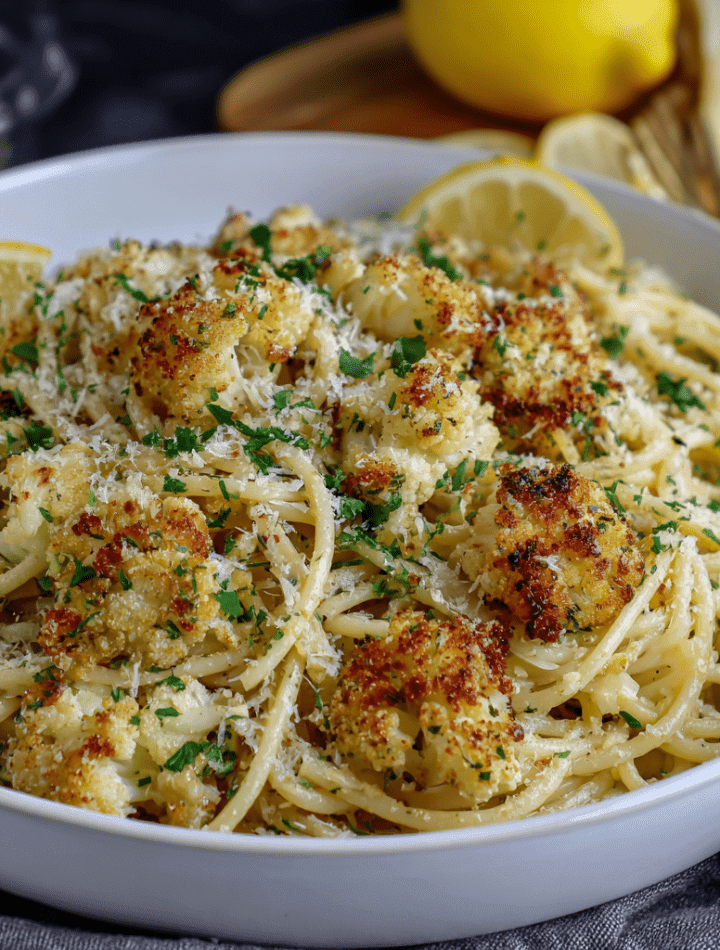
Roasted Cauliflower Parmesan Spaghetti: Your New Favorite Comfort Food
Hey there, friend! Emily here, apron probably a little dusted with flour, ready to pull up a virtual stool and talk about one of my absolute favorite kitchen creations. Have you ever had one of those days where you crave something that feels indulgent—something cheesy, carby, and deeply satisfying—but you also want to feel kinda good about what you’re eating? Like, you want the cozy hug of a rich pasta but without the post-dinner nap that usually comes with it?
Yeah, me too. All the time. That’s exactly why I’m so utterly obsessed with this Roasted Cauliflower Parmesan Spaghetti. This isn’t just another pasta dish. This is a flavor and texture symphony happening right in your bowl. Imagine this: crispy, caramelized florets of cauliflower, roasted until their edges are golden and irresistible, tangled up with al dente spaghetti. Now, coat all that in a sauce that’s not a heavy cream situation, but a magical, silky emulsion of sharp parmesan, bright lemon, starchy pasta water, and a whisper of garlic. It’s creamy without being cloying, rich yet somehow fresh, and it comes together in about the time it takes to watch your favorite sitcom.
This recipe is a weeknight warrior dressed up for the weekend. It’s proof that “simple” doesn’t have to mean “boring,” and that vegetables can absolutely be the star of the show. So, grab your favorite pasta pot and a sheet pan, and let’s make something truly delicious together. Your taste buds (and your hungry belly) are going to thank you.
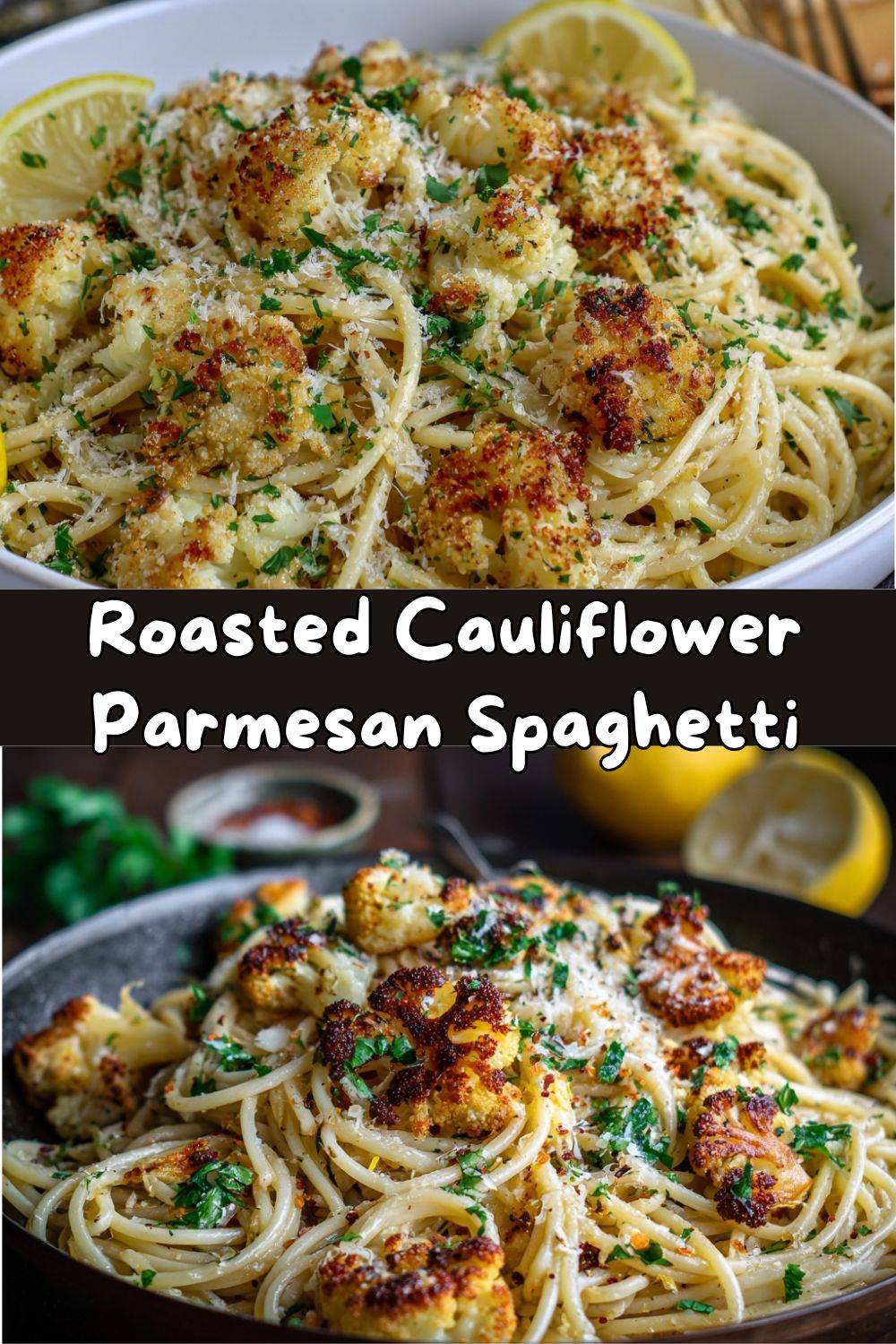
The Little Floret That Could: My Cauliflower Conversion
Let me take you back about fifteen years, to my grandma’s kitchen. Picture a much younger Emily, home from culinary school, armed with all these fancy techniques and a slight (okay, major) tendency to turn my nose up at “boring” vegetables. Cauliflower, to me, was that pale, bland thing that sometimes showed up in a crudité platter, destined only for the ranch dip.
One Sunday, Grandma, wise as ever, didn’t say a word. She just handed me a head of cauliflower, a knife, and a bottle of olive oil. “Stop thinking and start roasting,” she said with a wink. We tossed those florets with oil, salt, and a reckless amount of black pepper, and slid them into a hot oven. What emerged was a revelation. The edges were crispy and nutty, the centers were tender and sweet—it was a completely different food! She tossed them with some pasta, lemon, and cheese, and that meal changed my entire perspective. It taught me that with a little heat and love, the most humble ingredients can become extraordinary. Every time I make this dish, I think of her, her worn wooden spoon, and that powerful lesson in delicious transformation.
Gathering Your Flavor Squad
Here’s everything you’ll need to create this crispy, creamy, bright masterpiece. I’ve added my little chef notes next to each—think of them as our kitchen whispers!
- 1 medium head cauliflower, cut into florets: This is our star! Look for a head that feels heavy for its size with tight, creamy-white florets and crisp, green leaves. No yellowing or soft spots, please. Chef’s Insight: Cutting them into similar-sized pieces is the golden rule for even roasting. Don’t be afraid of some flat edges—they get the crispiest!
- 3 tablespoons olive oil, divided: We’ll use most for the cauliflower, a bit for the sauce. Extra virgin gives the best flavor here.
- Salt and black pepper to taste: Season every layer! I use kosher salt for cooking and a flaky sea salt for finishing. Freshly cracked pepper is non-negotiable for that warm, aromatic punch.
- 12 oz spaghetti: The classic vehicle. I love the way the sauce clings to those long strands. Sub Tip: Any long pasta works—linguine, bucatini, fettuccine. For a gluten-free twist, a brown rice spaghetti holds up beautifully.
- 2 garlic cloves, minced: The aromatic foundation of our sauce. Fresh is best here! Pro Hack: Smash the clove with the flat of your knife first—the skin will slip right off and it makes mincing a breeze.
- Zest and juice of 1 lemon: This is the “bright” in our description! The zest packs intense citrus oil, and the juice adds the tang. Chef’s Must-Do: Zest the lemon before you juice it. Trust me, trying to zest a juiced lemon is a recipe for frustration.
- 3/4 cup grated Parmesan cheese, plus more for serving: The “creamy” factor. Please, for the love of all that is cheesy and good, grate it yourself from a block. Pre-grated cheese has anti-caking agents that prevent it from melting as smoothly. Sub Tip: Pecorino Romano is a saltier, sharper swap that’s fantastic. For a dairy-free version, a good-quality vegan parm can work in a pinch.
- 1/2 cup reserved pasta water: This is the secret sauce magic! The starchy, salty water is like culinary glue, helping the cheese, oil, and lemon emulsify into a silky sauce that coats every noodle.
- Optional Garnishes: This is your playground! A pinch of red pepper flakes for heat, a handful of chopped fresh parsley for color and freshness, or some toasted breadcrumbs for an incredible extra crunch.
Let’s Get Cooking: Step-by-Step to Perfection
Okay, team! Aprons on, music playing—let’s do this. We’re going to multitask like a pro to get dinner on the table fast.
- Preheat & Prep: Crank your oven to 425°F (220°C). This high heat is key for getting those gorgeous caramelized edges on the cauliflower. While it heats, cut your cauliflower into bite-sized florets. Toss them on a large, rimmed baking sheet (parchment paper lining optional, but it makes cleanup a dream) with 2 tablespoons of the olive oil, a generous pinch of salt, and several cracks of black pepper. Massage it all together with your hands—get in there! Spread them out in a single layer. Crowding is the enemy of crispiness! Roast for 25-30 minutes, flipping halfway through, until deeply golden brown and tender.
- Pasta Party: While the cauliflower roasts, bring a large pot of well-salted water to a boil. It should taste like the sea! This is your one chance to season the pasta itself. Cook the spaghetti according to package directions until al dente—it should still have a slight bite. Before you drain it, SCOOP OUT 1/2 CUP OF THAT PASTA WATER. I usually just use a liquid measuring cup. Set the water aside, then drain your pasta.
- Sauce Symphony: As the pasta drains, heat the remaining 1 tablespoon of olive oil in a large skillet or Dutch oven over medium heat. Add the minced garlic and sauté for just about 60 seconds—until it’s fragrant but NOT brown. Burnt garlic is bitter, and we don’t want that. Now, add the reserved pasta water, the lemon juice, and the lemon zest. Let it simmer for a minute.
- Emulsify & Create Creaminess: Reduce the heat to low. Start sprinkling in the grated Parmesan cheese, stirring constantly with a wooden spoon or tongs. You’ll see the water and cheese come together into a creamy, slightly thickened sauce. This is the magic! If it looks a little thin, don’t panic—the pasta will soak it up.
- The Grand Toss: Add the drained spaghetti and all those glorious roasted cauliflower florets right into the skillet with the sauce. Using tongs, toss everything gently but thoroughly for a good minute or two, until every strand of pasta is glistening and coated, and the cauliflower is evenly distributed. The residual heat from the pasta and pan will finish bringing it all together.
- Finish & Serve: Kill the heat. Give it a final taste—does it need another pinch of salt or a squeeze of lemon? Adjust now. Serve immediately, topped with more Parmesan, fresh parsley, a crack of pepper, and/or those toasted breadcrumbs for that fantastic crunch.
How to Serve It Up in Style
This dish is beautiful in its rustic simplicity, so plating is easy but oh-so-effective. I love using shallow, wide pasta bowls—they give everything room to breathe and show off all those crispy cauliflower bits. Use your tongs to give each portion a little twist as you lift it into the bowl, creating a nice nest of pasta. Make sure to scoop up plenty of those smaller, extra-crispy cauliflower crumbs from the bottom of the skillet; they’re like flavor gold!
For a complete meal that feels special, I love to start with a simple arugula salad dressed with just lemon juice, olive oil, salt, and pepper—it continues the bright, lemony theme. A side of warm, crusty bread is non-negotiable for swiping up every last bit of sauce. And if you’re serving friends? A crisp, dry white wine like a Pinot Grigio or Sauvignon Blanc is the perfect partner. For a family weeknight, it’s absolutely a stand-alone superstar.
Make It Your Own: Delicious Twists & Swaps
The beauty of this recipe is its flexibility. Once you’ve mastered the basic formula, play with it! Here are some of my favorite riffs:
- The “Everything but the Kitchen Sink” Veggie Roast: Add other veggies to the sheet pan! Thinly sliced red onion, cherry tomatoes, or broccoli florets roast beautifully alongside the cauliflower. Just keep an eye on cook times for smaller items.
- Protein Power-Up: Add a can of drained, flaked tuna or a few cups of shredded rotisserie chicken to the sauce when you add the pasta for a heartier meal. For a vegetarian protein boost, a can of rinsed chickpeas roasted with the cauliflower is incredible.
- Spicy Arrabbiata Twist: Love heat? Add 1/4 teaspoon of red pepper flakes to the garlic as it sautés. For a richer tomato note, stir in 2 tablespoons of tomato paste after the garlic cooks for a minute before adding the pasta water.
- Herb Garden Delight: Swap the lemon for other bright flavors. Try the zest and juice of a lime and add a handful of fresh cilantro at the end. Or, use orange zest/juice and finish with fresh thyme.
- Completely Dairy-Free/Delicious: Use your favorite vegan parmesan alternative and a tablespoon of nutritional yeast for extra “cheesy” umami. The sauce will still be wonderfully flavorful from the lemon and roasted veg.
Emily’s Kitchen Notes & Stories
This recipe has been a Tasty Chow staple for years, and it’s evolved in the funniest ways. The first time I tested it, I was so excited I forgot to reserve the pasta water. I stood there with my gorgeous roasted cauliflower, my al dente pasta, and a pan of garlic, thinking, “Well… now what?” I tried to use regular water and it was a sad, separated mess. A true “facepalm” moment that hammered home why that starchy water is a kitchen commandment, not a suggestion!
Over time, I’ve learned to really take the cauliflower to the edge of “is it burning?”—that’s where the deepest flavor lives. I also started adding the lemon zest and juice separately; the zest goes in with the liquid to infuse, and sometimes I save a little zest for a fresh garnish on top for an extra pop. It’s a forgiving recipe. Don’t have spaghetti? Use what you’ve got. Cheese a little scant? It’ll still be tasty. Cooking is about joy, not perfection.
Your Questions, Answered
Q: My sauce seems watery/thin. What did I do wrong?
A: Don’t worry! This usually means the sauce needs a little more time to come together. Keep tossing the pasta in the pan over low heat—the starch from the pasta will continue to thicken the liquid. You can also add a touch more grated cheese. If it’s still too loose after a couple minutes of tossing, a teaspoon of cornstarch slurry (mixed with a little cold water) can help tighten it up quickly.
Q: Can I make any part of this ahead of time?
A> Absolutely! You can roast the cauliflower up to 2 days in advance and store it in the fridge. Let it come to room temp or give it a quick re-warm in the oven before adding to the pasta. The sauce, however, is best made fresh.
Q: My cheese clumped up instead of making a smooth sauce. Help!
A> This happens if the heat is too high or the cheese is added all at once. Make sure the heat is on low when you add the cheese, and sprinkle it in gradually while stirring constantly. Finely grated, fresh cheese (not pre-shredded) is also crucial for smooth melting.
Q: Is there a way to make this without an oven?
A> You can pan-roast the cauliflower! Heat a large skillet with oil over medium-high heat, add the florets in a single layer (you may need to do two batches), and cook without moving for 4-5 minutes to get a sear. Toss and continue cooking until tender and browned on all sides.
A Note on Nourishment
While I’m all about flavor first, I love knowing what’s fueling my body. This dish strikes a wonderful balance. The cauliflower is a fantastic source of fiber, vitamins C and K, and antioxidants. Using whole-wheat or legume-based pasta can boost the fiber and protein even more. The olive oil provides heart-healthy fats, and the Parmesan offers a hit of calcium and protein. Compared to a heavy Alfredo, this sauce uses the clever trick of pasta water and just enough cheese for maximum impact with less overall fat. It’s a satisfying, veggie-packed meal that truly makes you feel good from the inside out. Remember, these are estimates—actual values can vary based on your specific ingredients and portion sizes.
Final Thoughts from My Kitchen to Yours
And that’s it, my friend! Your guide to a pasta dish that I hope earns a permanent spot in your dinner rotation. This Roasted Cauliflower Parmesan Spaghetti is more than just a recipe to me; it’s a reminder that the most satisfying meals often come from simple techniques and a few great ingredients treated with respect (and high heat!).
I hope the process of making it brings you as much joy as eating it does. I hope you play your favorite music while the cauliflower roasts, and I hope that first forkful—with the crunch, the creaminess, and the zip of lemon—makes you close your eyes and smile. That’s what Tasty Chow is all about.
If you make it (and I really hope you do!), tag me over on Instagram @TastyChow. I love seeing your creations! Now, go forth and cook with confidence. Your kitchen adventure awaits.
With a full heart and a hungry belly,
Emily 🧡