Spring Has Sprung on Your Plate: Pasta Primavera!
Hey there, friend! Can you feel it? That little shift in the air? The days are stretching longer, the sun feels a touch warmer, and the world outside is practically humming with the promise of green. After a season of hearty stews and cozy roasts, my kitchen heart starts craving something different. Something that tastes like sunshine, fresh air, and the joyful crunch of new growth. That’s exactly where this glorious Spring Vegetable Pasta Primavera comes in.
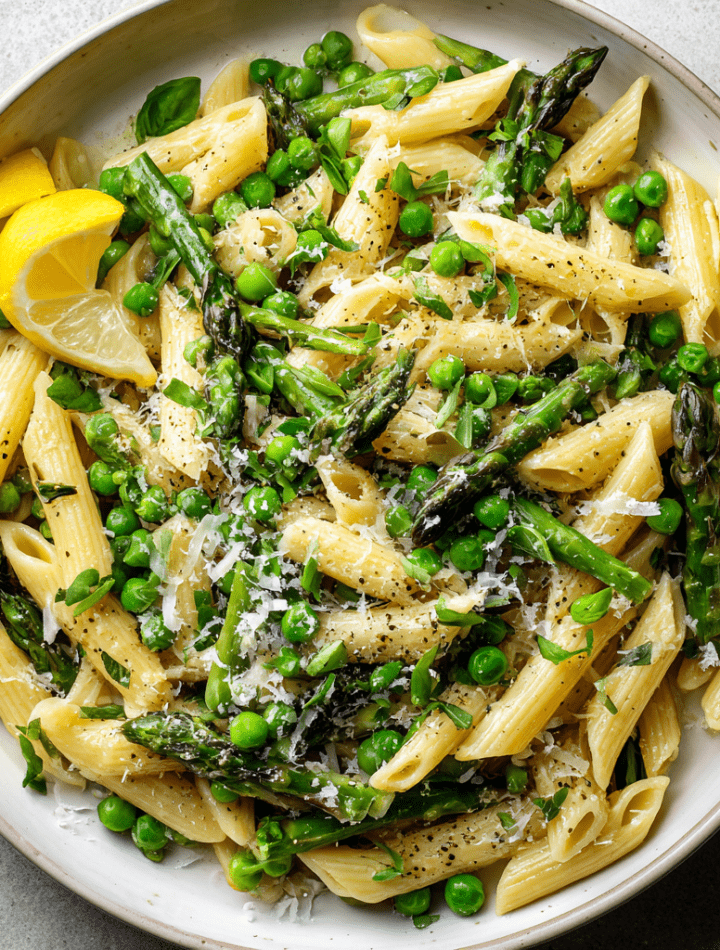
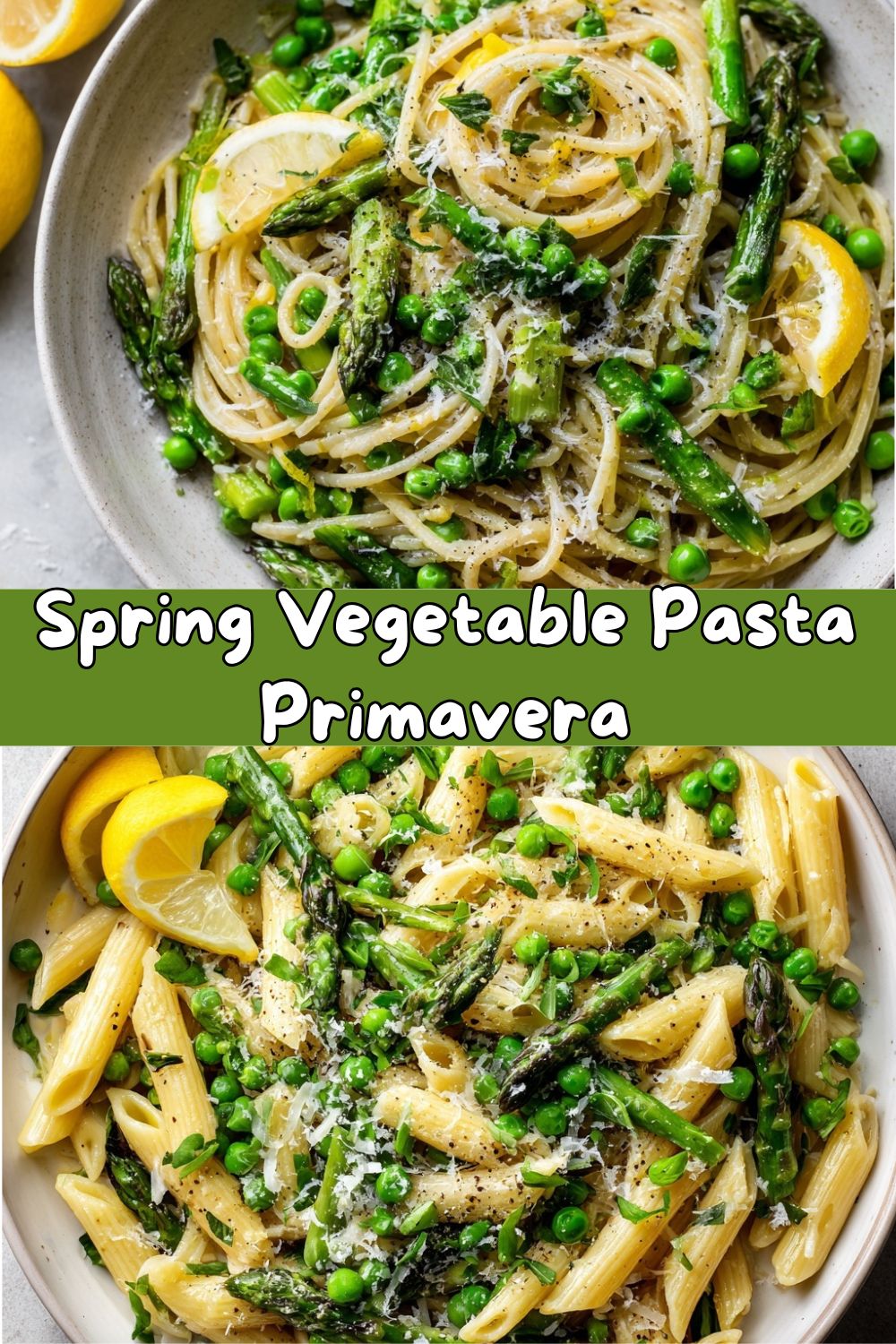
Imagine this: al dente pasta, twirled with the brightest, crispest veggies of the season, all coated in a light, zesty sauce that clings to every nook and cranny. We’re talking sweet peas that pop in your mouth, tender-crisp asparagus with that satisfying snap, all brought together with the sunny zip of lemon and a generous snowstorm of Parmesan cheese. This isn’t just a meal; it’s a celebration on a plate. It’s the culinary equivalent of throwing open your windows and letting the spring breeze whirl through your house.
And the best part? It’s deceptively simple. This is a “looks-like-you-fussed-but-really-didn’t” kind of hero dinner. Perfect for those busy weeknights when you want something feel-good and fast, or ideal for a lazy weekend lunch enjoyed outside with a cool glass of something delicious. So, tie on your favorite apron (the one with the stains that tell stories), grab your biggest skillet, and let’s turn the season’s bounty into the most delicious, colorful chow. Trust me, your fork is ready for this.
A Lesson in Green (and Grandma’s Love)
This dish always takes me right back to my grandma’s backyard garden. It wasn’t fancy—just neat rows of dirt that, to her, were a treasure map. Come spring, she’d march out with her woven basket, and I, a tiny sous-chef in muddy sneakers, would follow. “We only take what we need, Em,” she’d say, her hands gently snapping off asparagus spears. “And we use it all, with love.”
Back in her cozy, flour-dusted kitchen, the magic happened. She’d have a big pot of water roaring on the stove. In would go the pasta, and in the last minute, those precious garden veggies for just a quick, vibrant bath. There was no fancy sauce, just good olive oil, a little garlic, and the pasta water itself. “The water’s got secrets, honey,” she’d wink, as she’d toss it all together. It was my first lesson in pantry alchemy—how simple, fresh ingredients, treated with respect, could create pure magic. Every time I make this Primavera, I’m not just cooking dinner. I’m channeling her wisdom: keep it simple, make it colorful, and always, always cook with love. It’s a recipe that feeds more than just your belly.
Gathering Your Spring Bounty: The Ingredients
Here’s the cast of characters for our spring fling! This is where we get to play. Don’t stress if your market is out of one thing—spring is all about flexibility and using what looks best.
- 8 oz Pasta (like penne, farfalle, or spaghetti): This is our canvas! I love shapes with nooks (like farfalle or rigatoni) that trap the sauce and little peas. Chef’s Insight: Using a good-quality bronze-die pasta makes a world of difference—it has a rougher surface that the sauce clings to beautifully.
- 1 cup Asparagus, cut into 1-inch pieces: The heralds of spring! Look for firm, bright green spears with tight tips. Substitution Tip: No asparagus? Try chopped green beans or even broccolini for a similar green crunch.
- 3/4 cup Frozen Peas, thawed: Don’t you dare feel guilty about frozen peas! They’re frozen at peak freshness and are often sweeter than “fresh” peas that have been sitting around. Chef’s Hack: Just run them under warm water in a colander to thaw—easy peasy!
- 2 tbsp Good Olive Oil: This forms the base of our silky sauce. Use the best extra-virgin olive oil you have for finishing—it adds a gorgeous fruity note.
- 2 Garlic Cloves, minced: Our aromatic foundation. Smash the clove with the side of your knife first—the skin will slip right off and mincing is a breeze!
- Zest and Juice of 1 Lemon: The sunshine factor! We use both for a powerful one-two punch of bright, aromatic flavor. Pro Tip: Zest the lemon before you juice it. Trying to zest a juiced lemon is a sad, floppy affair.
- 1/3 cup (or more!) Grated Parmesan Cheese: Our salty, umami-rich flavor booster. Chef’s Plea: Please, for the love of all that is cheesy and good, grate it fresh from a block. The pre-grated stuff has anti-caking agents that can make your sauce grainy.
- Salt & Freshly Cracked Black Pepper: The essential flavor enhancers. Season your pasta water well—it should taste like the sea. This is your only chance to season the pasta itself!
- Fresh Herbs for Garnish (like basil, parsley, or chives): The final confetti! This adds a fresh pop of color and flavor. Tear, don’t chop, soft herbs like basil to keep them from bruising.
Let’s Get Cooking: Step-by-Step Magic
Ready to bring it all together? Follow these steps, and you’ll have a restaurant-worthy dish in less time than it takes to watch your favorite sitcom.
- Boil & Salt That Water: Fill a large pot with water, cover it, and bring it to a rolling boil over high heat. Once it’s bubbling like a hot spring, add a generous handful of salt. I’m talking 1-2 tablespoons. This is crucial—it’s how we build flavor from the inside out. Your pasta water should taste salty, like the sea.
- Cook the Pasta: Add your chosen pasta to the boiling water. Give it a stir to prevent sticking. Set your timer for 1-2 minutes less than the package’s “al dente” time. We’re going to finish cooking it in the sauce, which is the secret to next-level flavor absorption. MOST IMPORTANT STEP: Before you drain, use a mug or ladle to reserve about 1 cup of the starchy pasta water. This liquid gold is the key to our silky, emulsified sauce!
- Blanch the Veggies (The Smart Way!): In the last 2 minutes of your pasta’s cook time, add the asparagus pieces directly to the boiling pasta water. Let them cook for about 90 seconds. Then, 30 seconds before draining, add the thawed peas. This one-pot method cooks the veggies perfectly and saves on dishes! Drain everything together in a colander.
- Sizzle the Aromatics: While the pasta cooks, heat the olive oil in a large skillet or Dutch oven over medium heat. Add the minced garlic and sauté for just 45-60 seconds, until it’s fragrant and dancing in the oil. Watch it closely! Burnt garlic is bitter, and we want sweet, toasty flavor. Remove from heat for a sec if your pasta isn’t ready.
- The Grand Toss: Return the skillet to medium heat. Add the drained pasta and veggies directly to the garlicky oil. Give it a big stir to coat everything in that glorious oil. Now, add the lemon zest and juice. It will sizzle and smell absolutely heavenly.
- Create the Sauce: Start adding your reserved pasta water, a big splash at a time (about 1/4 cup to start). Toss, toss, toss! The starch in the water will mix with the oil, lemon juice, and cheese to create a creamy, clingy sauce that isn’t heavy. Add more pasta water until the sauce coats the back of a spoon.
- Cheese, Please! Turn off the heat. Sprinkle in most of your grated Parmesan, saving a little for garnish. Add a few cracks of black pepper. Toss vigorously until the cheese melts into the sauce, creating a velvety coating. Taste it! Does it need a pinch more salt? A squeeze more lemon? Adjust to your heart’s content.
- Serve Immediately: Pile the pasta high into bowls or onto a warm platter. Top with the remaining Parmesan, a shower of fresh herbs, and one last crack of pepper. Dive in while it’s hot and perfectly saucy!
How to Serve Your Spring Masterpiece
Presentation is part of the joy! For a family-style feast, I love piling it all onto a big, colorful platter. Let everyone see the confetti of green peas, bright asparagus, and flecks of lemon zest. Scatter extra herbs over the top like a garden sprinkle.
If you’re plating individually, use tongs to give each portion a little lift and twist as you place it in a shallow bowl—it makes it look extra chef-y. A final, light drizzle of your best olive oil over the top adds a lovely sheen.
This dish is a complete meal in itself, but if you want to round it out, here are my go-tos:
- A simple, crisp side salad with a lemony vinaigrette.
- A crusty baguette for mopping up every last bit of sauce.
- A glass of Sauvignon Blanc or Pinot Grigio—wines that love citrus and fresh herbs.
Make It Your Own: Delicious Twists & Swaps
The beauty of Primavera is its versatility. Play with it based on what you love or what’s in your fridge!
- The Protein Boost: Add 1 cup of shredded rotisserie chicken, a can of drained chickpeas, or some pan-seared shrimp in the last minute of cooking. It’s an easy way to make the meal even heartier.
- Go Vegan & Dairy-Free: Skip the Parmesan and instead stir in 2 tablespoons of nutritional yeast for a cheesy flavor. Finish with a sprinkle of toasted breadcrumbs or crushed almonds for crunch.
- Creamy Dreamy Version: For a richer sauce, stir in 1/4 cup of heavy cream, mascarpone, or full-fat coconut milk when you add the pasta water. It becomes incredibly luxurious.
- Herb Garden Explosion: Swap the basil for other soft herbs. Try dill with peas, tarragon for a slight licorice note, or a whole handful of chives.
- Gluten-Free & Veggie Noodles: Use your favorite gluten-free pasta (corn/quinoa blends work great here). Or, for a low-carb option, use spiralized zucchini or carrot “noodles.” Just sauté them briefly in the skillet before adding the sauce.
Chef Emily’s Kitchen Confidential
This recipe has been my springtime security blanket for years. I’ve made it for frantic potlucks, romantic dates (it’s impressively easy!), and sad days when I just needed a bowl of colorful comfort. The biggest lesson I’ve learned? Don’t skip the pasta water. I once did, in a hurry, and ended up with a dry, sad pile of noodles. The pasta water is the magic glue that brings the sauce to life.
Also, your veggies will continue to cook a tiny bit from the residual heat when you toss them in the skillet. That’s why we pull them from the boiling water while they’re still a touch underdone—they’ll reach perfect tender-crisp nirvana by the time you serve. It’s all about trusting the process, and your taste buds!
Your Questions, Answered!
Q: My veggies got soggy! What happened?
A: You likely overcooked them. Remember, they cook fast! Blanch the asparagus for only 90 seconds and the peas for a mere 30 seconds in the pasta water. They should be bright and still have a bite.
Q: My sauce isn’t “saucy” or clings to the pasta. It’s dry.
A: You either didn’t use enough pasta water, or you didn’t toss it vigorously enough. Don’t be shy with that starchy water—add it in splashes and toss like crazy. The agitation helps the water, oil, and cheese emulsify into a creamy sauce. If it’s already dry in the pan, add a splash of warm water and toss again.
Q: Can I make this ahead of time?
A> You can prep the ingredients (chop veggies, zest lemon, grate cheese), but I strongly recommend cooking and serving it fresh. Pasta tends to absorb the sauce as it sits. If you have leftovers, reheat them gently in a skillet with a tiny splash of water or broth to loosen the sauce back up.
Q: What other spring veggies can I add?
A> Oh, so many! Thinly sliced sugar snap peas, bite-sized pieces of baby carrots, chopped artichoke hearts, or fresh fava beans would all be fantastic additions. Just adjust their blanching time based on how crunchy they are.
A Note on Nourishment
While I’m all about flavor first, it feels great to know this dish is nourishing you, too! This Spring Pasta Primavera is a wonderful balance. The pasta provides energizing complex carbs, the olive oil offers healthy fats, and the vegetables pack in fiber, vitamins (like A, C, and K from the asparagus), and antioxidants. The Parmesan adds a boost of calcium and protein.
Each serving (assuming 4 servings) comes in around 390 calories, with about 13g of protein, 50g of carbohydrates, and 14g of fat. Remember, these are estimates.