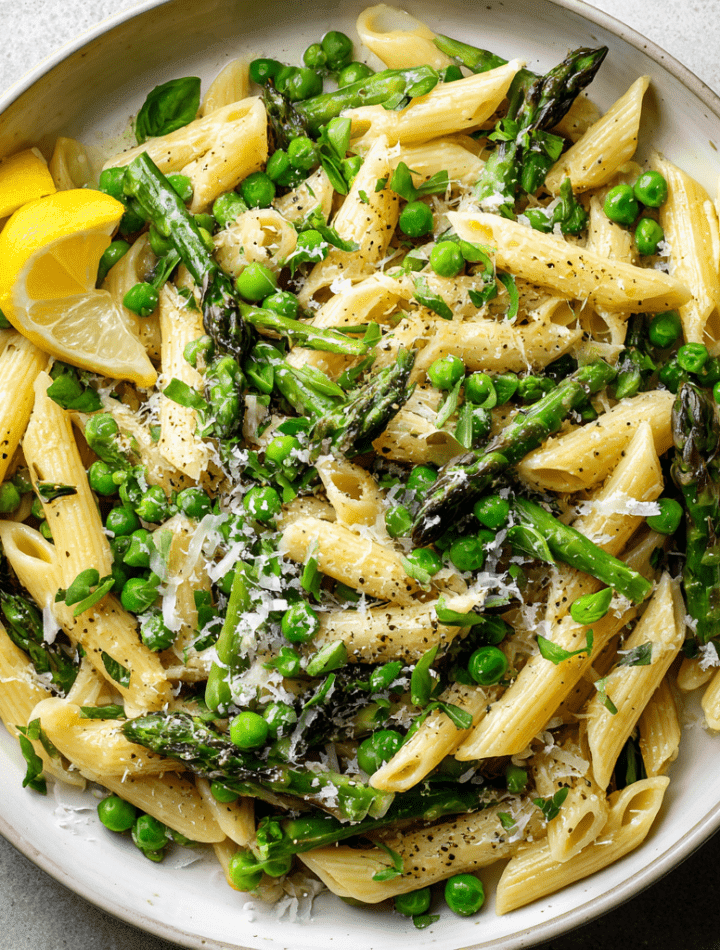
Spring Vegetable Pasta Primavera – A Sunshine-Filled Bowl of Joy
Hey there, friend! Emily here. Can you feel it? That little shift in the air, the way the sun feels a touch warmer on your skin, the sudden pop of color in the market? Spring is whispering—no, singing—that it’s time for food that feels as bright and hopeful as a brand-new day. And let me tell you, nothing answers that call quite like a heaping, vibrant bowl of Pasta Primavera.
Now, I know what you might be thinking. “Primavera” sounds fancy, maybe a little intimidating. But trust me, this isn’t some fussy, restaurant-only affair. This is the kind of cooking I live for: simple, fresh, and packed with so much flavor it’ll make you do a little happy dance right there at the stove. It’s about celebrating the season’s first treasures—the snappy asparagus, the sweet little peas, the herbs that smell like a garden party—and tossing them together in a joyful, lemony hug of a sauce.
This recipe is our ticket to a dinner that’s both light and deeply satisfying, ready in about the time it takes to boil water. It’s for those busy weeknights when you want something fabulous without the fuss, and for those lazy weekend lunches that deserve to feel special. So, tie on your favorite apron (the one with the questionable stain and the great memories), grab your biggest, sunniest bowl, and let’s turn a handful of spring’s best veggies into a meal that tastes like pure, unadulterated sunshine.
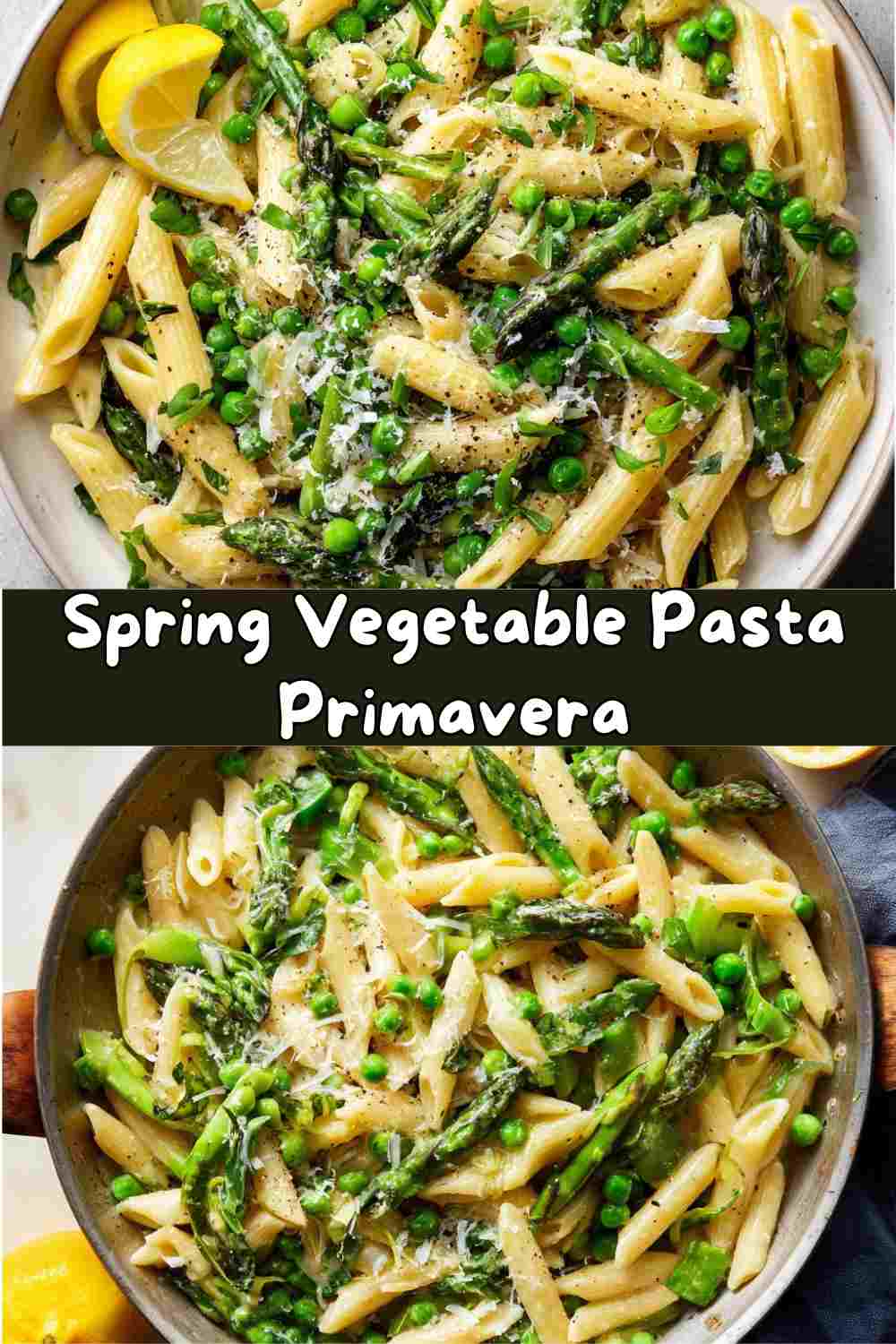
The Primavera That Started It All (And a Confession)
My love for this dish goes way back, but it started with a… let’s call it a “learning experience.” Picture a much younger Emily, fresh out of culinary school and desperate to impress my then-boyfriend’s (now husband’s) very Italian family. I decided to make Pasta Primavera, envisioning a masterpiece. I used every vegetable known to man, cooked them all separately into oblivion, and created a sauce so rich it could have anchored a ship. I presented it with a flourish. They were polite. So, so polite.
Later, my future mother-in-law gently pulled me aside. She showed me her version: a handful of the freshest seasonal veggies, barely kissed by the heat, tossed with pasta, good olive oil, lemon, and cheese. “Cara,” she said, “let the spring sing. Don’t make it shout.” It was a revelation! That dish wasn’t about showing off technique; it was about trust—trust in incredible ingredients and simplicity. Now, every time I make this, I think of that kitchen lesson in humility and flavor. It’s a reminder that the best food often comes from stepping back and letting the ingredients be the star.
Gathering Your Spring Bounty: Ingredients & Insights
Here’s where the fun begins! Think of this list as a guide, not a rulebook. The magic of primavera is its flexibility based on what looks best at the market.
- 8 oz Pasta (Fusilli, Penne, or Farfalle): I’m a fusilli fan for this! Those little spirals are genius at catching bits of veg and creamy sauce in every nook. Use what you love—just make sure it’s a shape that loves to mingle.
- 1 cup Asparagus, cut into 1-inch pieces: Look for bright green, snappy stalks. The woody ends? Just bend them until they snap naturally—they’ll tell you exactly where to cut. No waste, all flavor.
- 1 cup Peas: Frozen peas are my weeknight heroes! They’re flash-frozen at peak sweetness, and I promise, in this dish, they are absolutely perfect. Of course, fresh shelled peas are a divine treat if you find them.
- 2 tbsp Good Olive Oil: This is the base of our “sauce,” so use the best you have for drizzling. That fruity, peppery flavor is going to shine.
- 3 Garlic Cloves, minced: Yes, I added one more than the skeleton recipe. We’re building flavor! Minced fine so it mellows into the oil without burning.
- Zest and Juice of 1 Large Lemon: This is the sunshine! Zest it first (avoiding the bitter white pith), then juice it. That one-two punch of bright aroma and tangy juice is non-negotiable.
- 1/3 cup + more for serving Grated Parmesan Cheese: Please, for the love of all that is cheesy, grate it yourself from a block. The pre-grated stuff has anti-caking agents that make it less melty. We want creamy, salty strands of joy.
- 1/2 cup Heavy Cream or Reserved Pasta Water: My chef’s hack! The original recipe is light, but sometimes you want a touch of luxury. A splash of cream creates a velvety, delicate sauce. For a lighter version, use that magical, starchy pasta water to bring everything together beautifully.
- Salt & Freshly Cracked Black Pepper: Season in layers. Salt your pasta water like the sea, and always finish with a fresh crack of pepper.
- Optional: Fresh Herbs (Basil, Parsley, Chives): The confetti! A handful of torn basil or chopped chives at the very end makes the dish look and taste like a garden.
Let’s Get Cooking: Step-by-Step with Chef Emily
Ready? Let’s make some magic. I’ll walk you through each step with all my favorite tips so you feel like you’re right here in the kitchen with me.
Step 1: The Pasta Pot Foundation. Fill a large pot with water, add a generous handful of salt (it should taste like mild seawater), and bring it to a rolling boil. Add your pasta and set a timer for 1-2 minutes less than the package says for al dente. Why? Because our pasta is going to take a quick, final swim in the skillet with our sauce. This prevents mushy pasta. Chef’s Hack: Before you drain, use a mug to scoop out about 1 cup of that precious, starchy pasta water. It’s liquid gold for adjusting your sauce later!
Step 2: The Veggie Quick-Dip. In the last 2 minutes of your pasta’s boiling time, add the asparagus and peas directly to the pot. This is the easiest way to cook them perfectly—they’ll blanch quickly, staying bright and crisp-tender. When the timer goes off, drain everything together in a colander.
Step 3: Building Flavor in the Skillet. While the pasta cooks, place your largest skillet or Dutch oven over medium heat. Add the olive oil and let it warm up. Add the minced garlic and cook for just 30-60 seconds until it’s fragrant and sizzling but NOT brown. Burnt garlic is bitter, and we don’t want that.
Step 4: The Grand Toss & Sauce Creation. Reduce the heat to low. Add the drained pasta and veggies to the skillet with the garlic oil. Pour in the lemon juice and add the lemon zest. If you’re using cream, add it now. Toss everything together gently. Now, add the grated parmesan a little at a time, tossing continuously. Watch as it melts into the lemon and cream/oil, creating a beautiful, clingy sauce. If the sauce seems too thick or tight, splash in that reserved pasta water, a tablespoon at a time, until it loosens up and coats every piece perfectly.
Step 5: The Final Flourish. Take the skillet off the heat! Season generously with salt and lots of fresh black pepper. Throw in most of your fresh herbs (if using) and give it one last gentle toss. Taste it—this is the most important step! Does it need a pinch more salt? A tiny squeeze more lemon? Adjust to make it yours.
How to Serve This Bowl of Spring
Presentation is part of the joy! Don’t just dump this in a bowl (though it’ll still taste amazing if you do).
I love using a wide, shallow pasta bowl. Use tongs to give the pasta a little twist as you lift it, creating a nice nest on the plate. Make sure all those beautiful green veggies are peeking out. Give it a final shower of extra parmesan, the remaining fresh herbs, and one more tiny drizzle of that good olive oil right at the end for a gorgeous sheen. A thin slice of lemon on the side is a pretty touch.
This dish is a complete meal in a bowl, but if you’re looking to round things out, I’d keep it light and fresh. A simple arugula salad with a lemon vinaigrette is perfection. For protein, a piece of simply grilled chicken or some seared lemon-pepper shrimp nestled right on top is divine. And don’t forget the crusty bread for swiping up every last bit of that lemony, cheesy sauce!
Make It Your Own: Fun Variations
The beauty of this recipe is its canvas-like quality. Here are a few ways to play:
- “Everything Green” Goddess: Add a handful of baby spinach or arugula in the last 30 seconds of tossing. It’ll wilt beautifully. Swap peas for broccolini florets, and finish with a tablespoon of pesto stirred in at the end.
- Protein Power-Up: Toss in a can of drained, flaked albacore tuna or a couple of handfuls of shredded rotisserie chicken when you add the pasta. For a vegetarian protein, a can of rinsed white beans or chickpeas adds wonderful creaminess and heft.
- Dairy-Free & Still Dreamy: Skip the parmesan and cream. Use nutritional yeast for a cheesy flavor, and rely on that starchy pasta water, a tablespoon of capers for briney depth, and extra lemon to create a lush, vegan-friendly sauce.
- Spring Herb Fiesta: Go wild with soft herbs! Use a mix of chopped tarragon, dill, parsley, and chives. The flavor will be incredibly fresh and complex.
- Creamy Lemon-Garlic Sauce: My indulgent twist! After cooking the garlic, add 1/2 cup of heavy cream and let it simmer for 2 minutes before adding the pasta. It becomes a luxurious, restaurant-worthy sauce.
Chef Emily’s Notebook Scribbles
This recipe has been my spring companion for years, and it’s evolved just like we do. I started as the “everything but the kitchen sink” primavera maker, learned the beauty of restraint from my mother-in-law, and now I play within that framework. Some nights it’s just peas and asparagus; other times, if the market has morel mushrooms or fresh fava beans, it becomes a special occasion dish.
The biggest lesson? Don’t overcook the veggies! Their crisp-tender texture and bright color are the soul of the dish. And that pasta water trick? I learned that after one too many sauces that seized up. It’s a game-changer. Most importantly, have fun with it. Cooking should feel like a creative, delicious experiment, not a stress test.
Your Questions, Answered!
Q: My sauce seems dry and the cheese is clumping. Help!
A: No worries! This happens if the heat is too high or there’s not enough liquid. Take the skillet off the heat immediately. Add a splash of that reserved pasta water (or a little cream/milk) and stir vigorously. The starchy water will emulsify with the oil and cheese, creating a smooth, silky sauce that coats everything.
Q: Can I use different vegetables?
A: Absolutely! That’s the spirit of primavera. Try thinly sliced zucchini, broccolini, sugar snap peas, or even thinly sliced radishes for a peppery crunch. Just adjust cooking time—add harder veggies (like carrots) to the pasta water a minute earlier, and delicate ones (like zucchini) in the last 30 seconds.
Q: How do I store and reheat leftovers?
A: Store in an airtight container in the fridge for up to 3 days. To reheat, add a splash of water or broth to a skillet over medium-low heat and toss the pasta until warmed through. The microwave can make it a bit gummy, so the stovetop is best.
Q: Can I make this ahead of time?
A> You can prep the veggies and grate the cheese ahead, but I highly recommend cooking and serving this fresh. The vibrant color and texture of the vegetables are at their peak right after cooking.
Nutritional Information (A General Guide)
Please note: The following is an approximate estimate based on the core recipe ingredients (using cream and parmesan) and is intended as a general guide. For precise dietary calculations, use your specific brands and quantities with a nutritional calculator.
This Spring Vegetable Pasta Primavera is a wonderfully balanced meal. The pasta provides energizing carbohydrates, the olive oil offers heart-healthy monounsaturated fats, and the vegetables deliver a boost of fiber, vitamins (like Vitamin K from asparagus and Vitamin C from lemon), and minerals. The parmesan cheese adds protein and calcium.
Per Serving (based on 4 servings):
Calories: ~380 | Protein: 14g | Carbohydrates: 45g | Dietary Fiber: 5g | Total Fat: 16g (Saturated Fat: 6g) | Sodium: Varies based on salt and cheese used.
For a lighter version, opt for the pasta water instead of cream and be mindful of added cheese. To increase protein, add grilled chicken, shrimp, or beans as suggested in the variations.
Final Thoughts from My Kitchen to Yours
And there you have it, my friend—my heart-on-a-plate Spring Vegetable Pasta Primavera. This dish is more than just dinner; it’s a ritual. It’s the act of slowing down to choose the greenest asparagus, of smelling the lemon zest burst into the air, of creating something beautiful and nourishing with your own two hands.
I hope this recipe finds its way into your regular rotation, becoming your own sign of spring. Remember, the best ingredient you can ever add is your own joy. So put on some good music, pour yourself a glass of something crisp and white, and enjoy the process. Then, sit down with your sun-filled bowl, take that first forkful, and savor the taste of the season.
If you make it, I’d love to hear how it turned out! Tag me over on Instagram @TastyChow so I can see your beautiful creations. Until next time, keep chasing flavor and cooking with love.
— Emily 🥬🍋🧀