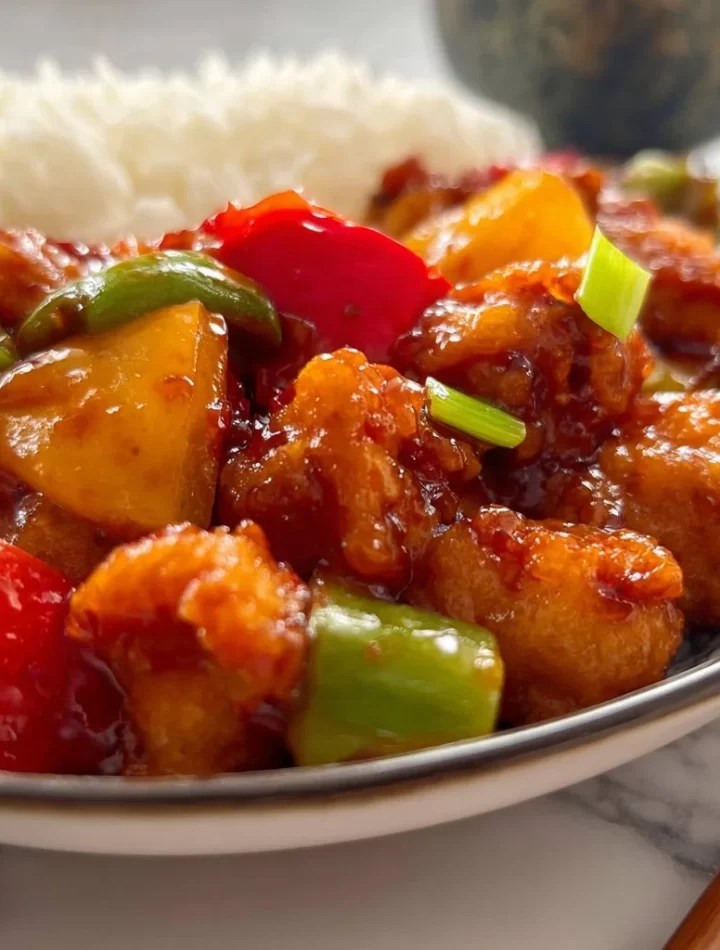
Sweet and Sour Chicken — A Cozy, Crispy Weeknight Favorite
Introduction
Hey there, friend — Emily here, apron flour and all. If you’ve ever craved that perfect balance of tangy, sweet, and crispy crunchy in one forkful, you’re in for a treat. Sweet and sour chicken is one of those dishes that feels celebratory and totally homey at the same time. It’s bright, comforting, and wildly adaptable — the kind of recipe that turns a Tuesday night into a small party.
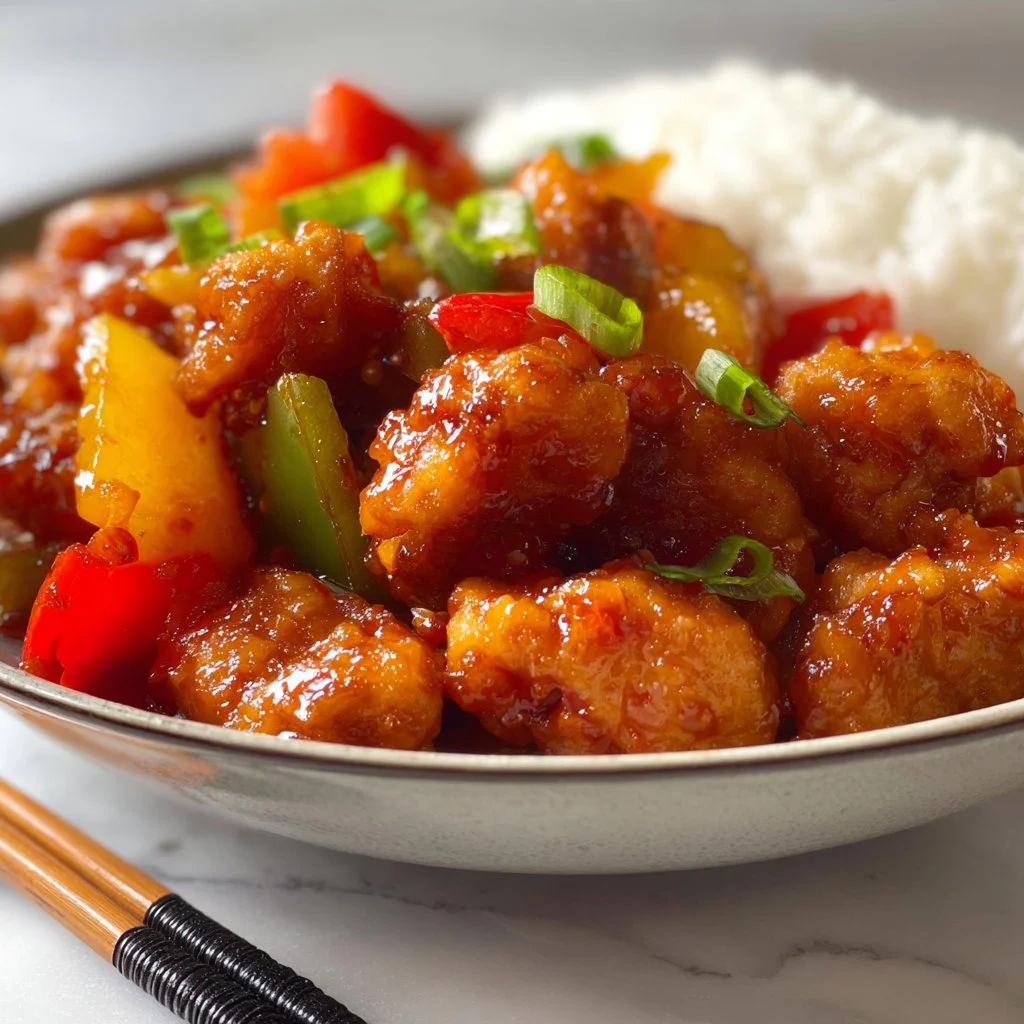
I love dishes that make people smile before they even take a bite. This sweet and sour chicken does exactly that: glossy, colorful peppers and pineapple, an irresistible sauce, and golden-brown chicken that holds its own against that zingy glaze. It’s also a great bridge between takeout convenience and homemade love — you get the satisfying crunch and the bold sauce, but you control the ingredients, the sweetness level, and the spice.
If you want a cozy companion to this recipe, I also have a fall-ready chicken dish that pairs beautifully with the same cozy vibes — try my apple cider chicken breast for a mellow, spiced contrast to the bright tang of sweet and sour. That said, let’s get your kitchen smelling like caramelized pineapple and toasted sesame oil. I’ll walk you through everything from the pantry staples to plating with a wink and a few of my favorite chef hacks to keep the chicken crispy and the sauce perfectly glossy.
Ready to make something that feels special but is shockingly simple? Grab your cutting board — we’ve got a sauce to whisk, chicken to crisp, and a dinner that’ll have everyone asking for seconds.
Personal Story
Growing up, sweet and sour chicken was my mom’s “company” dish — she’d bring it out when a neighbor popped in or when our aunt came over with a Tupperware of gossip. The version back then came from a cheap takeout box, but every forkful felt like a little festival: the bright red bell pepper, cubes of pineapple, and sticky-sweet sauce that clung to every crispy bite. I remember sitting at the counter on a high stool, watching her flip pieces of chicken in the skillet with ease, the kitchen smelling like brown sugar and soy.
When I went to culinary school, I tried to recreate that nostalgic plate a million ways. Some attempts were too sweet, some too gummy, but somewhere between a careful cornstarch slurry and the right balance of vinegar, I landed on a version that tastes like that memory but better — fresher, tangier, and with chicken that keeps its crunch. I still make this whenever I want something that’s comfort food with a wink. It’s the hug my kitchen gives on a busy night.
Ingredients
- Boneless skinless chicken thighs or breasts (about 1.5 lb): Thighs give more flavor and stay juicier; breasts are leaner. Cut into 1–1.5 inch pieces. If you prefer extra crisp, use thighs.
- Salt and black pepper: Simple seasoning goes a long way; season the chicken before dredging.
- Garlic powder: Adds a warm, savory base — don’t skip it.
- Egg (1 large): Helps the cornstarch coating stick for a golden crust. You can swap for a non-dairy milk plus a tablespoon of flour if avoiding eggs.
- Cornstarch (about ¾ cup): The secret to that satisfying crunch. Potato starch works too and gives an even lighter finish.
- All-purpose flour (2–3 tbsp, optional): For a bit more body in the crust; you can do cornstarch only for super crisp.
- Neutral oil for frying (vegetable, canola, or peanut): Use an oil with a high smoke point. Peanut oil adds a subtle nutty note.
- Red and green bell peppers (1 each): For color and texture — slice into bite-sized squares.
- Pineapple chunks (1 cup, fresh or canned): Fresh is juicier and brighter; canned is perfectly fine and convenient.
- Onion (1 small, yellow or white): Thick wedges add sweetness and a tender bite.
- Garlic (2 cloves, minced): Adds immediacy to the sauce and filling flavor in the stir-fry.
- Ginger (1 tsp fresh grated or a scant ½ tsp ground): Fresh ginger lifts the sauce; ground works in a pinch.
- Rice vinegar (¼ cup): The tang backbone of the sauce. Apple cider vinegar is a milder substitute.
- Ketchup (¼ cup): Adds body, color, and familiar sweet-tang. For a more Chinese-style flavor, a tablespoon of hoisin can be mixed in.
- Brown sugar (3 tbsp): Balances the acid; adjust to taste. Honey is a natural substitute but changes the flavor slightly.
- Soy sauce (2 tbsp): Adds savory depth; use low-sodium if you’re watching salt.
- Water or pineapple juice (¼ cup): Helps the sauce reach the right consistency; juice = more pineapple flavor.
- Cornstarch slurry (1–2 tbsp cornstarch + equal water): Thickens the sauce to that glossy sheen.
- Sesame oil (1 tsp, optional): A finishing touch for aroma.
- Scallions and toasted sesame seeds for garnish: Brighten and add texture.
Step-by-Step Instructions
-
Prep everything first. Lay out your chicken, peppers, onion, pineapple, and aromatics. Whisk the sauce ingredients: rice vinegar, ketchup, brown sugar, soy sauce, water (or pineapple juice), minced garlic, and grated ginger. Make the cornstarch slurry separately. Having everything prepped makes the dish run like a charm — I call this mise en place magic.
-
Cut and season the chicken. Cut chicken into bite-sized pieces, pat dry with paper towels, then season with salt, pepper, and a light dusting of garlic powder. Dry chicken = better frying and less splatter.
-
Dredge the chicken. Beat the egg in a shallow bowl. In another shallow bowl, combine cornstarch and a bit of flour. Dip each piece of chicken in egg, then coat fully in the cornstarch mix. Shake off excess. For extra-crispy results, double-dip: cornstarch, quick egg dip, then cornstarch again.
-
Fry the chicken until golden. Heat about ¼–½ inch of neutral oil in a wide skillet over medium-high heat. Oil should shimmer but not smoke. Fry the chicken in batches — overcrowding drops the oil temperature and makes the crust soggy. Cook 3–4 minutes per side until deep golden and cooked through (internal temp ~165°F/74°C). Transfer to a wire rack over a sheet pan to keep crisp. Pro tip: a wire rack lets air circulate; paper towels flat under chicken make the crust steamy and soft.
-
Sauté the veggies. Wipe the skillet clean, add a teaspoon of oil, and toss in the onion and bell peppers. Sear on medium-high until they get a little char and soften but still have bite — about 3–4 minutes. Add pineapple and cook another 1–2 minutes so it heats through and browns slightly.
-
Bring the sauce to life. Pour the whisked sauce into the hot skillet with the veggies. Let it simmer for 1–2 minutes to meld flavors and reduce slightly. Give your cornstarch slurry a quick stir (it settles) and then slowly whisk in. The sauce should thicken into a shiny glaze within a minute. If it gets too thick, add a splash of water or pineapple juice; too thin, whisk in a touch more slurry.
-
Finish and toss. Turn off the heat and drizzle a tiny bit of sesame oil for aroma. Add the fried chicken pieces and toss quickly to coat everything in sauce — do this off the heat to keep the crust from getting soggy. If you like your chicken saucier, you can add a little more sauce; if you prefer crispier, gently fold just enough to glaze.
-
Plate and garnish. Spoon over steamed rice or noodles, scatter chopped scallions, and sprinkle toasted sesame seeds. Serve immediately.
Chef tip: If you want to keep chicken extra-crispy when serving family-style, lay the chicken on the platter first, then pour the sauce and veggie mixture over the top to minimize time spent resting in sauce.
Serving Suggestions
Sweet and sour chicken shines with neutral, comforting carriers that soak up the sauce. My go-to is fluffy jasmine rice — it balances the tang and carries the bright juices without stealing the show. For a heartier meal, serve over fried rice or wide egg noodles for extra comfort. If you want a lighter plate, steamed brown rice or cauliflower rice keeps things balanced while still letting the flavors pop.
Think about color and texture on the plate. I like to mound rice slightly off-center, arrange chicken pieces attractively, and spoon extra sauce and veggies over the top. A scatter of thinly sliced scallions and a sprinkle of toasted sesame seeds adds pop and a bit of crunch. For brightness, a few lime wedges on the side invite guests to add a squeeze if they want more acidity.
Serve family-style on a large platter for a convivial, hands-in-the-center vibe. Pops of red (bell pepper) and yellow (pineapple) make the dish camera-ready, so this one’s great for casual dinner parties where you want comfort food that looks good on the table.
Pairings: A crisp green salad with an acid-forward dressing or steamed bok choy with a drizzle of toasted sesame oil complements the richness. For drinks, a chilled Riesling or a lemony iced tea matches the sweet-tart notes beautifully.
Recipe Variations
-
Oven-baked version: Prefer less frying? Toss the cornstarch-coated chicken on a greased sheet and bake at 425°F (220°C) until golden (about 20–25 minutes), flipping halfway. Finish by tossing with the sauce. You’ll lose a bit of the deep-fry crust, but it’s lighter and still delicious.
-
Pineapple-free (fruit-free) style: If pineapple isn’t your jam, use extra bell peppers, snap peas, and water chestnuts for crunch. Add a splash of orange juice in the sauce for fruit brightness without the chunks.
-
Spicy sweet and sour: Stir in 1–2 teaspoons of sambal oelek or Sriracha into the sauce, or add a few red pepper flakes when sautéing the veggies. Balances heat and sweetness beautifully.
-
Gluten-free swap: Use gluten-free soy sauce (tamari) and swap the flour for rice flour, using cornstarch as the main dredge. Ensure your ketchup and other condiments are gluten-free too.
-
Vegetarian or vegan option: Press and cube firm tofu, toss in cornstarch, and bake or pan-fry until crispy. Swap honey/brown sugar for maple syrup or coconut sugar and use a plant-based egg replacer or aquafaba for dredging.
Chef’s Notes
This recipe evolved from those frantic weeknights when I wanted takeout but with control. I once doubled the sauce out of habit and nearly drowned the poor chicken — lesson learned: glaze generously but sparingly. Another kitchen comedy: I tried using frozen pineapple once without thawing it first; the ice crystals watered down the sauce. Now I always drain canned pineapple well and pat fresh pineapple dry.
Also, I’ll say it again: keep the oil temperature steady and fry in batches. The temptation to shove everything in at once is real, but patience yields the crown jewel: crunchy pieces that stand up to the sauce instead of collapsing into a stew.
FAQs and Troubleshooting
Q: My sauce is grainy after adding the cornstarch slurry — what happened?
A: That usually means you added the slurry to a vigorously boiling sauce or didn’t stir it quickly enough. To fix it, remove from heat, whisk vigorously, and strain if necessary. Next time, reduce heat to a simmer and whisk the slurry in gradually.
Q: The chicken got soggy after I mixed it with the sauce. How can I keep it crisp?
A: Toss the chicken with the sauce off the heat and just before serving. Use a wire rack to rest fried chicken between batches, and avoid piling it in a bowl. If serving family-style, place chicken on the platter and spoon the sauce over, rather than tossing in a bowl.
Q: My sauce is too thin — how do I thicken it without adding more cornstarch?
A: Simmer a little longer to reduce and concentrate it. If you’re short on time, dissolve a touch more cornstarch in cold water and whisk it in a little at a time until desired thickness—heat gently until glossy.
Q: Can I prep this ahead of time?
A: Yes! Chop veggies, make the sauce, and dredge the chicken in cornstarch the day before. Fry the chicken right before serving for best texture. You can also bake the chicken and reheat gently in a hot oven to keep crisp.
Nutritional Info
Nutrition varies depending on choices (breast vs thigh, amount of oil used, and whether you bake or fry). Here’s a rough estimate per serving (recipe yields about 4 servings) using chicken thighs and frying:
- Calories: ~520–650 kcal
- Protein: ~30–38 g
- Fat: ~20–32 g (higher if deep-fried)
- Carbohydrates: ~45–55 g (from sauce, rice, and pineapple)
- Fiber: ~2–4 g
- Sugars: ~18–28 g (much from brown sugar and pineapple)
- Sodium: Moderate to high, depending on soy sauce and ketchup
If you want to lighten this up: use chicken breast, bake instead of frying, reduce brown sugar by 1–2 tablespoons (compensate with a splash more vinegar to keep balance), and serve over cauliflower rice or a smaller portion of brown rice. Using low-sodium soy sauce trims salty content, and swapping some sugar for a sugar alternative reduces total carbs slightly. Remember, though, a little sugar helps with that glossy, caramelized finish — it’s all about balance.
Final Thoughts
Sweet and sour chicken is a dish that makes people beam. It carries nostalgia in its sticky sauce, color in its presentation, and pure joy in its crunch. I love that it’s forgiving: you can tweak sweetness, heat, and textures to make it your own. Whether you fry or bake, add pineapple or omit it, the core is simple — crisp protein plus a bright, balanced sauce.
When I bring this to the table, it always sparks conversation: who likes extra sauce, who wants more heat, who’ll pile on the scallions. That communal, can’t-help-but-smile moment is exactly why I cook. Keep experimenting — toss in a bit of orange zest, try different peppers, or swap protein — and make this recipe your new weeknight gem.
Conclusion
If you want to see a great oven-baked take on sweet and sour chicken for another lighter method and inspiration, check out this excellent recipe, Baked Sweet and Sour Chicken – RecipeTin Eats, which offers a helpful baked approach and additional tips for crisp, flavorful results.
Happy cooking — send me a photo when you make it! — Emily
Print
Sweet and Sour Chicken
- Total Time: 45 minutes
- Yield: 4 servings 1x
- Diet: Non-Vegetarian
Description
A cozy, crispy sweet and sour chicken recipe with a delightful balance of tangy and sweet flavors, perfect for a comforting weeknight meal.
Ingredients
- 1.5 lb boneless skinless chicken thighs or breasts, cut into 1–1.5 inch pieces
- Salt and black pepper, to taste
- 1 tsp garlic powder
- 1 large egg
- ¾ cup cornstarch
- 2–3 tbsp all-purpose flour (optional)
- Neutral oil for frying (vegetable, canola, or peanut)
- 1 red bell pepper, sliced into bite-sized squares
- 1 green bell pepper, sliced into bite-sized squares
- 1 cup pineapple chunks (fresh or canned)
- 1 small onion, cut into thick wedges
- 2 cloves garlic, minced
- 1 tsp fresh grated ginger or ½ tsp ground ginger
- ¼ cup rice vinegar
- ¼ cup ketchup
- 3 tbsp brown sugar
- 2 tbsp soy sauce
- ¼ cup water or pineapple juice
- 1–2 tbsp cornstarch + equal water for slurry
- 1 tsp sesame oil (optional)
- Chopped scallions and toasted sesame seeds for garnish
Instructions
- Prep everything first. Lay out your chicken, peppers, onion, pineapple, and aromatics. Whisk the sauce ingredients and make the cornstarch slurry separately.
- Cut and season the chicken, pat dry and season with salt, pepper, and garlic powder.
- Dredge the chicken in egg followed by the cornstarch mixture, shaking off excess.
- Fry the chicken in batches until golden and cooked through, about 3–4 minutes per side.
- Sauté the veggies in the remaining oil until charred and softened, then add pineapple and cook through.
- Bring the whisked sauce to the skillet, simmer, and stir in the cornstarch slurry until thickened.
- Finish by tossing fried chicken in the sauce off the heat.
- Plate and garnish with scallions and sesame seeds; serve immediately.
Notes
For extra crispiness, double-dip the chicken in the cornstarch mixture. Serve with fluffy jasmine rice for a perfect meal.
- Prep Time: 15 minutes
- Cook Time: 30 minutes
- Category: Main Course
- Method: Frying
- Cuisine: Asian
Nutrition
- Serving Size: 1 serving
- Calories: 580
- Sugar: 18g
- Sodium: 650mg
- Fat: 24g
- Saturated Fat: 4g
- Unsaturated Fat: 16g
- Trans Fat: 0g
- Carbohydrates: 50g
- Fiber: 3g
- Protein: 32g
- Cholesterol: 100mg
Keywords: sweet and sour chicken, easy chicken recipe, weeknight dinner