Welcome Spring to Your Plate: Zucchini Noodle Primavera
Hey there, friend! Emily here, wiping a little flour (or maybe it’s zucchini juice?) off my apron. Can you feel it? That shift in the air? The days are getting longer, the markets are bursting with color, and after a season of hearty stews and cozy casseroles, my body—and probably yours—is starting to whisper for something lighter. Something that feels like sunshine on a plate.
But here’s the thing about “light” food: it can’t just be a sad salad. It has to be satisfying. It has to make your taste buds dance and leave you feeling energized, not like you’ll need a snack in twenty minutes. That’s exactly why I’m so head-over-heels for this Zucchini Noodle Primavera.
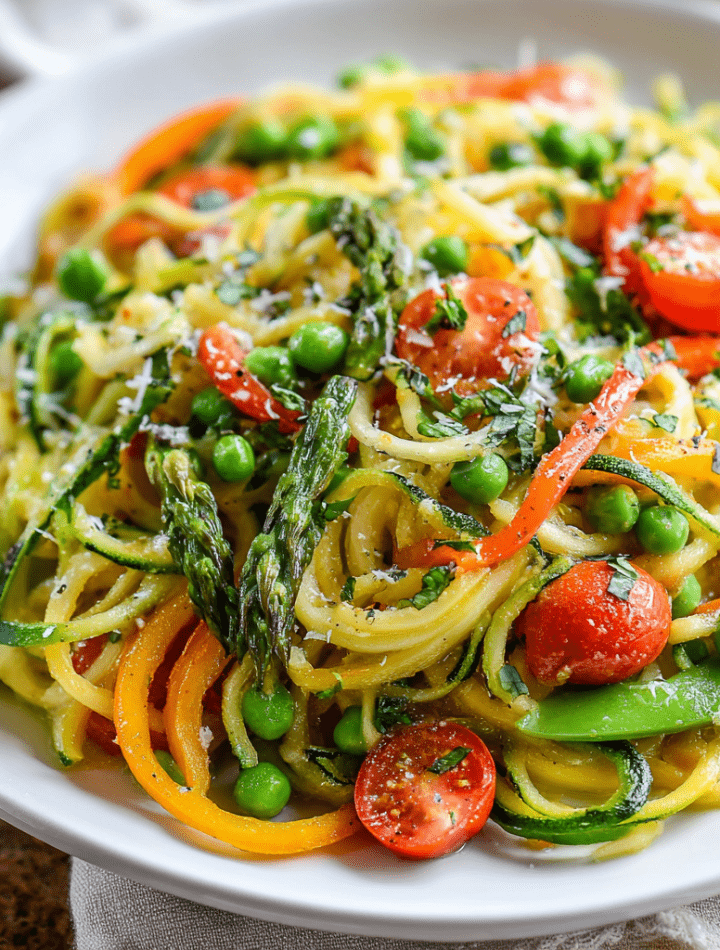
We’re taking all the vibrant, crisp-tender glory of spring vegetables—asparagus that snaps with freshness, peas that pop with sweetness, peppers in every color of the rainbow—and we’re tossing them with silky ribbons of zucchini noodles. No heavy cream sauce here, just a bright kiss of garlic, olive oil, and lemon that lets each vegetable’s true flavor sing. It’s a celebration in a skillet. It’s the meal you make when you want to feel nourished and vibrant, inside and out.
Whether you’re a spiralizing pro or a veggie noodle newbie, this recipe is our invitation to play in the kitchen. It’s quick, it’s forgiving, and it’s so darn pretty you’ll want to take a picture before you take a bite. So, grab your favorite skillet and your veggie peeler. Let’s turn that spring farmers’ market haul into a dinner that’s as beautiful as it is delicious.
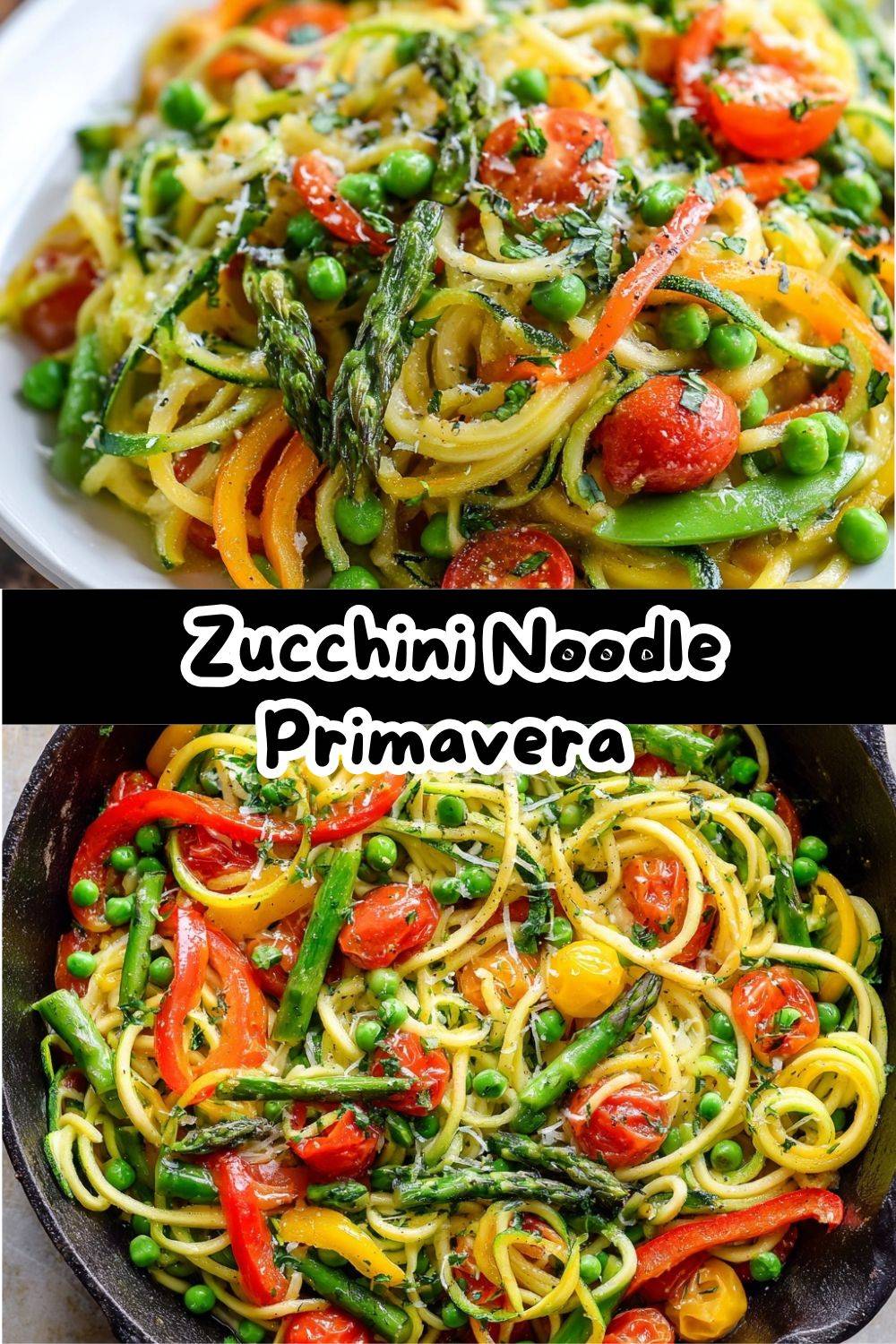
Zucchini Noodle Primavera
The Wooden Spoon & The Spring Feast
This dish always takes me back to my grandma’s kitchen in early May. It wasn’t primavera on her table—it was simply “spring cleaning for the garden.” After a long winter of root vegetables and canned goods, the first tender shoots from her patch were treated like treasure. I can still see her, standing at the counter, snapping the ends off asparagus with her thumbs, a sound so crisp it was like the official starter’s pistol for spring.
She’d let me shell the peas, a task I adored because I got to eat half of them raw, each one a tiny burst of green sugar. Her approach was never fussy. It was about honoring the ingredient. “Don’t drown the first gifts of the season, Emmy,” she’d say, waving away a bottle of heavy sauce. A little butter, a sprinkle of salt, maybe some fresh dill—that was it.
My Zucchini Noodle Primavera is a love letter to that philosophy, with a modern, veggie-forward twist. I’ve swapped in zucchini noodles for pasta to let those garden gifts shine even brighter, and I use her same gentle hand. It’s my way of connecting her timeless wisdom—that food is best when it tastes like itself—with the way we want to eat today. Every time I make it, I think of her wooden spoon and that feeling of joyful anticipation. It’s more than a recipe; it’s a delicious memory.
Gathering Your Rainbow: Ingredients & Insights
Here’s where the magic starts! This isn’t just a list—it’s a map. I’ve included my best chef tips and swaps so you can make this recipe work with what you’ve got. The goal is flavor and texture: crisp, tender, fresh, and bright.
4 medium zucchinis, spiralized: Look for firm, shiny zucchinis, about 6-7 inches long. Chef’s Insight: Don’t salt and drain your zoodles for this recipe! We want them to retain a slight bite and add a delicate texture. The quick cook time prevents them from getting watery.
1 tbsp olive oil: A good extra-virgin olive oil adds fruitiness. Substitution Tip: Avocado oil or butter would also be lovely here for a different flavor profile.
2 cloves garlic, minced: The aromatic foundation. Chef’s Hack: Use a microplane to grate the garlic directly into the pan for a finer, more integrated flavor that won’t burn as easily.
1 cup cherry tomatoes, halved: They add juicy pops of sweetness and acid. Insight: Halve them just before adding so they keep their precious juices!
1 cup asparagus, cut into bite-size pieces: The essence of spring! Tip: Snap the tough ends off naturally—they’ll break right where the woody part ends.
½ cup peas: Use fresh shelled peas if you can find them, or frozen peas (thawed) are a perfect, year-round shortcut. No shame in the frozen game!
½ cup bell peppers, thinly sliced (mixed colors): For color and a gentle crunch. Swaps: Yellow summer squash, thinly sliced carrots, or sugar snap peas would be fantastic here too.
Zest and juice of ½ lemon: This is the “wake-up” call for the dish. The zest holds incredible floral oils—don’t skip it! Tip: Zest the lemon before you juice it. It’s much easier.
Salt and black pepper, to taste: Season in layers! A pinch when cooking the veggies, and always a final adjustment at the end.
¼ cup shaved or grated parmesan cheese: For salty, umami richness. Dietary Swap: For a dairy-free version, use nutritional yeast or a vegan parm alternative. It’ll still be delicious.
Optional: fresh basil or parsley: The green confetti finish! Basil brings sweetness, parsley brings a fresh, clean note. Use what you love.
Let’s Get Cooking: Step-by-Step with Chef Emily
Alright, apron on? Let’s do this! We’re going for a quick, high-heat sauté to get color and keep crunch. The whole process is faster than waiting for a pot of pasta water to boil.
Prep Your Veggies First (Mise en Place): This is the golden rule for any quick-cooking dish. Spiralize your zucchini, mince the garlic, chop the asparagus and peppers, halve the tomatoes. Have everything within arm’s reach. My Little Kitchen Story: I used to think prepping was a chore, until I had a garlic burn to the bottom of a skillet while frantically chopping peppers. Now, my little bowls of prepped veggies make me feel like a TV chef, and it makes the cooking so peaceful.
Heat the Skillet: Place your largest skillet or sauté pan over medium heat. Add the olive oil and let it shimmer for about 30 seconds. You want it hot but not smoking. A hot pan is what gives the veggies a nice start without stewing them.
Sauté the Aromatics: Add the minced garlic. Stir it around for just 30 seconds until it becomes incredibly fragrant. Watch it like a hawk! Burnt garlic turns bitter. We’re just waking up its flavor.
Cook the Heartier Veggies: Now, add the asparagus, bell peppers, and peas. A little pinch of salt here! Cook, stirring occasionally, for 3-4 minutes. We’re aiming for “crisp-tender”—they should still have a pleasant snap but not taste raw. This step builds our flavor base.
Add the Tomatoes: Toss in the cherry tomato halves. Cook for just 1 minute more. We want them to warm through and start to soften slightly, releasing some of their sweet juice into the mix, but not so much that they collapse.
The Zoodle Toss: This is the grand finale! Add all your zucchini noodles to the pan. Using a pair of tongs or two forks, gently toss and lift the zoodles with the other veggies for 1-2 minutes only. This is the most important step: We are just warming and wilting them. Overcooking will make them release water and become mushy. You want them pliable but still with some body.
The Bright Finish: Remove the skillet from the heat immediately. Sprinkle the lemon zest and squeeze the lemon juice right over the top. Add another good pinch of salt and a few cracks of black pepper. Toss one final time. The residual heat will mellow the lemon just enough.
Serve & Garnish: Divide the primavera among plates or bowls. Top generously with shaved parmesan and a scattering of fresh herbs. The heat will slightly melt the cheese into a dreamy, salty ribbon.
How to Serve It Like a Pro (Even in Pajamas)
Presentation is part of the fun, but keep it simple and stunning. I love serving this family-style in one big, beautiful shallow bowl. The colors just sing when they’re all together.
For a complete, satisfying meal, I always add a partner. My go-to is a simple grilled chicken breast or a piece of pan-seared salmon flaked right on top. The light, flaky fish with the lemony veggies is a match made in heaven. For a vegetarian protein boost, a can of drained, rinsed white beans or chickpeas warmed in the pan right before adding the zoodles is absolute perfection.
If you’re craving a bit of carbohydrate comfort, don’t let me stop you! A slice of crusty, warm sourdough bread on the side for mopping up the delicious lemony juices at the bottom of the bowl is 100% approved by this chef. It’s your kitchen, your rules. The goal is a plate that makes you happy and nourished.
Make It Your Own: 5 Delicious Twists
Got a different veggie begging to be used? Want to change up the flavor profile? Go for it! This recipe is a fantastic canvas.
“Creamy” Dreamy Version: After removing from heat, stir in ¼ cup of ricotta cheese or a dollop of full-fat coconut milk. It creates a light, luscious coating without heaviness.
Protein Powerhouse: Add ½ pound of peeled, deveined shrimp or diced chicken breast in step 3. Cook through before adding the harder veggies. Instant complete meal.
Herb Garden Explosion: Swap the basil/parsley for a mix of fresh tarragon, chives, and dill. It’s a wonderfully fragrant, almost French-inspired take.
Spicy Kick: Add a pinch of red pepper flakes with the garlic. Or, finish with a drizzle of chili crisp oil for heat and crunch.
Root-to-Stem (No Waste!): Have broccoli stems? Peel and slice them thin, and add with the asparagus. Radish tops? Wash them well and toss them in at the very end like spinach.
Chef Emily’s Notebook Scribbles
This recipe has evolved so much since my first attempt, which was… well, let’s call it “zucchini soup with vegetables.” I learned the hard way that zoodles need respect and a fast hand! The biggest game-changer was taking the pan off the heat before adding the lemon juice. Adding acid while the pan is still sizzling can sometimes make the flavors taste a bit sharp or “cooked.” Off the heat, it’s just pure, sunny brightness.
Also, I used to painstakingly spiralize every zucchini. Now? If I’m in a real hurry, I use a vegetable peeler to make wide, fettuccine-like ribbons. It works beautifully and feels rustic and charming. The moral of the story: your kitchen, your tools, your joy. That’s what cooking is all about.
Your Questions, Answered!
Q: My zucchini noodles turned out watery and sad. What happened?
A: The most common culprit is overcooking. Zoodles need just 1-2 minutes in the heat of the other veggies. Also, make sure you’re not adding salt to them before cooking, which draws out moisture. If your zucchinis were very large and seedy, they can be more watery. Medium-sized are best!
Q: Can I make this ahead of time?
A: You can prep all the vegetables ahead and store them separately. But for the best texture, I recommend cooking it just before serving. If you have leftovers, they’ll keep for a day, but the zoodles will soften—still tasty, just different!
Q: I don’t have a spiralizer. Any alternatives?
A> Absolutely! Use a julienne peeler, a standard vegetable peeler for wide ribbons, or even just a sharp knife to cut the zucchini into very thin matchsticks. It all works!
Q: Is this dish served hot, cold, or room temp?
A> I love it warm right out of the pan! It can also be enjoyed at room temperature as a lovely pasta salad alternative. I wouldn’t serve it fridge-cold, as the olive oil will solidify and the flavors will be muted.
A Nourishing Bite: The Good Stuff Inside
Let’s talk about what’s fueling you! This vibrant plate is a nutritional powerhouse. Zucchini is low in calories but high in fiber, vitamin C, and potassium, which is great for heart health. The colorful bell peppers are one of the best sources of vitamin C you can find. Asparagus is a natural source of prebiotics (food for your gut’s good bacteria) and folate. Peas add a little plant-based protein and fiber to keep you full.
The olive oil provides healthy monounsaturated fats, which help your body absorb all the fat-soluble vitamins from the veggies. And while we use just a bit of Parmesan, it adds a satisfying hit of savory umami and calcium. This dish is naturally gluten-free, and with the simple swaps mentioned, it can easily be dairy-free and vegan, too. It’s proof that eating for wellness can be an absolute celebration of flavor and color.
Your Spring Kitchen Adventure Awaits
And there you have it, my friend! My full-hearted, veggie-packed, sunshine-on-a-plate Zucchini Noodle Primavera. This recipe is more than just a list of steps; it’s an invitation to play with your food, to celebrate the season’s best, and to create something that makes you feel as good as it tastes.
I hope you’ll give it a try and make it your own. Tag me over on Instagram @TastyChow if you do—I love seeing your kitchen creations! It truly makes my day. Remember, the best dishes are made with a pinch of curiosity and a whole lot of love. Now, go on and make something delicious.
With a happy heart and a messy apron,
Emily