Hungarian Chicken Paprikash — The Cozy, Creamy One-Pot Dinner You’ll Make Again and Again
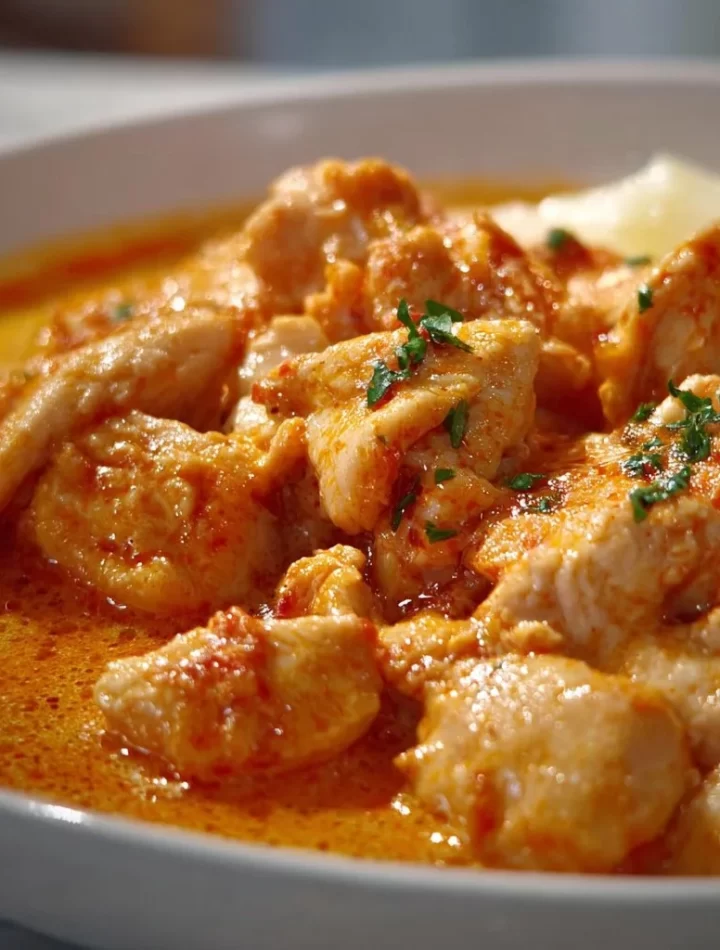
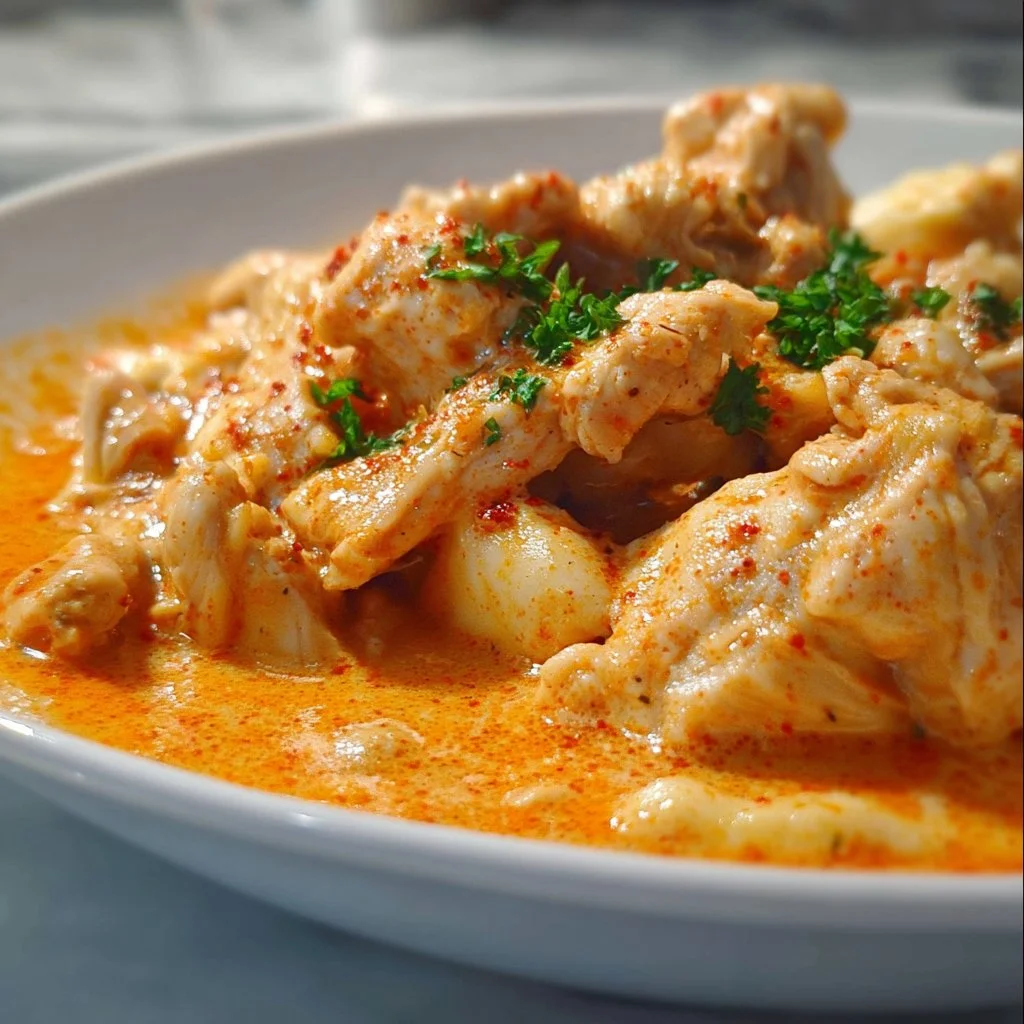
Hey, kitchen friend! I’m Emily Walker, your messy-apron-wearing, spice-loving pal from Tasty Chow. If comfort food had a signature hug, this Hungarian Chicken Paprikash would be it. It’s rich, saucy, and built around that glorious, smoky-sweet Hungarian paprika that makes everything feel both homey and a little fancy. This dish is one of those miracle recipes: it’s simple enough for a weeknight, yet special enough to bring to the dinner table when you want applause (or at least a second helping).
What I love most about chicken paprikash is how it balances cozy and bold. The base is onion and paprika, the chicken gives you hearty protein, and a silky sour cream finish turns the sauce into a dreamy, velvety cloak for whatever starch you choose — buttery dumplings (nokedli), egg noodles, mashed potatoes, or even a hunk of crusty bread to sop up every last drop. And the aroma? It’s like a warm memory being pulled out of the oven: smoky paprika, caramelized onions, and a little tang that makes you want to set the table right away.
Whether you’re a seasoned home cook or someone who lives by “if it can be microwaved, it’s dinner,” I promise this recipe is approachable. I’ll walk you through each step with chef tips and swaps so you can make it your own. We’ll talk ingredients, timing, and the tiny techniques that transform good food into unforgettable food. So, tie that apron on, crank up some old-school jazz (or your favorite podcast), and let’s get into the golden, paprika-scented world of chicken paprikash. By the end of today’s kitchen adventure, you’ll have a stew-like masterpiece that’s cozy enough for Sunday and confident enough to wow your guests.
Ready? Let’s make a pot of comfort that feels like a hug from an old friend.
Personal Story: Why This Dish Feels Like Home
This recipe threads through a favorite memory for me—one of those kitchen scenes that stick to your ribs. I first fell head-over-heels for paprikash while traveling through Budapest in my twenties. On a rain-sparkled evening, I ducked into a tiny family-run bistro. The warmth was immediate: the kind where wooden chairs creak and waiters know half the patrons by name. I ordered chicken paprikash on a whim, and the first spoonful felt like a revelation—sour cream richness, paprika depth, and tender chicken that practically dissolved.
But the real magic came a few years later when I tried making it at home using my grandmother’s cast-iron pan. She’d taught me how to coax sweetness out of onions, then sprinkle paprika like you mean it. My first attempt was more elbow grease than elegance, but the scent that filled my little apartment transported me back to that Budapest bistro. From then on paprikash became our family’s go-to when we wanted something restorative after a long week. I’ve tweaked quantities, swapped chicken parts, and learned the hard way not to let the paprika burn (trust me—if it goes bitter, you’ll know). Now when I make it, I’m not just feeding people; I’m sharing stories, laughter, and a plate that says “I love you” without saying a word.
Ingredients
-
2–2.5 lbs bone-in, skin-on chicken pieces (thighs and drumsticks recommended)
- Bone-in pieces give the best flavor and juiciness. If you prefer boneless, increase cooking time slightly and watch for doneness. Thighs are forgiving and remain tender.
-
1 large yellow onion, thinly sliced
- Onions caramelize and build the base flavor. White or sweet onions are fine; skip the red—they’re too sharp here.
-
2–3 tablespoons Hungarian sweet paprika (preferably from a reputable source)
- This is the soul of the dish. Sweet paprika lends color and warmth. If you like heat, add 1 teaspoon hot paprika or smoked paprika for depth.
-
2 cloves garlic, minced
- Gentle garlic keeps the profile warm without overpowering the paprika. Add more if you’re a garlic fiend.
-
2 tablespoons tomato paste (optional, but recommended)
- Adds subtle acidity and a flavor backbone. You can use a tablespoon of crushed tomatoes instead if you prefer a looser sauce.
-
1 cup low-sodium chicken broth (or more as needed)
- Use low-sodium so you control the salt. Bone broth adds extra richness if you have it.
-
1 cup sour cream, at room temperature
- Sour cream creates the lush finish. Greek yogurt can substitute for a lighter version—stir in gradually and do not boil after adding.
-
2 tablespoons all-purpose flour (optional)
- Helps thicken the sauce slightly and marry the sour cream with the broth. For gluten-free, use cornstarch slurry (1 tbsp cornstarch + 1 tbsp cold water).
-
Salt and black pepper to taste
- Season gradually. Add more at the end after the sauce reduces.
-
2 tablespoons butter and 2 tablespoons neutral oil (such as canola or grapeseed)
- A combo gives a higher smoke point but keeps a buttery flavor.
-
Fresh parsley, chopped, for garnish
- Brightens the dish and adds a fresh note. Dill is a traditional alternative in some households.
-
Optional additions: a bay leaf, a pinch of caraway seeds, or a splash of white wine when deglazing
- Small additions can layer in country-style complexity; use sparingly.
Step-by-Step Instructions (with chef hacks)
-
Prepare the chicken: Pat the chicken pieces dry with paper towels and season generously with salt and pepper.
- Dry skin browns better. Don’t skip generous seasoning; it’s the backbone of flavor. If you have time, salt and rest for 20–30 minutes to let flavors penetrate.
-
Brown the chicken: Heat 1 tablespoon oil and 1 tablespoon butter in a large heavy skillet or Dutch oven over medium-high heat. Brown the chicken on both sides until golden (about 5–7 minutes per side). Work in batches so you don’t crowd the pan. Remove and set aside.
- Browning builds flavor through Maillard reactions. You don’t need to cook through—just get good color. Use tongs to keep the skin intact.
-
Sauté the onions: Reduce heat to medium. Add the remaining oil and butter. Add the sliced onions and a pinch of salt. Cook, stirring occasionally, until soft and beginning to caramelize—about 12–15 minutes.
- Slow and patient here pays off. Too-high heat will burn the onions and give bitterness. If they’re browning too fast, lower the heat and add a splash of water to loosen fond.
-
Add garlic and paprika: Stir in minced garlic and then immediately add the paprika, tossing to coat the onions. Cook for 30 seconds to 1 minute—just long enough to toast the paprika but not burn it.
- This is the crucial moment: paprika burns quickly and becomes bitter. Keep the pan moving and never let the paprika sit dry.
-
Add tomato paste and deglaze: Mix in the tomato paste and cook for a minute. Deglaze with a splash of chicken broth (or white wine) to lift the flavorful bits from the bottom of the pan.
- Deglazing pulls all that caramelized goodness into the sauce—don’t skip it.
-
Return the chicken to the pan: Nestle the browned chicken back into the onion mixture skin-side up. Pour in enough chicken broth to come about halfway up the chicken pieces (usually 1 to 1½ cups). Add your bay leaf if using. Bring to a gentle simmer. Cover and reduce heat to maintain a low simmer. Cook until the chicken is tender and cooked through—about 25–30 minutes for bone-in pieces.
- Keep it at a gentle simmer. Boiling makes the chicken tough. If you’re using boneless chicken breasts, check early (about 12–15 minutes) to avoid overcooking.
-
Thicken the sauce (if desired): Once the chicken is cooked, remove the pieces and keep warm. Stir the flour into a few tablespoons of the hot cooking liquid to make a slurry, then whisk back into the pot and simmer until the sauce thickens slightly. Alternatively, mix 1 tbsp cornstarch with 1 tbsp cold water for gluten-free thickening.
- This step helps the sauce cling to the chicken and noodles. If you used cornstarch, don’t let the sauce boil for too long after adding.
-
Temper in the sour cream: Remove the pot from the heat. In a small bowl, whisk a few tablespoons of the hot sauce into the sour cream to temper it (bringing the temperatures closer together), then whisk the tempered sour cream back into the pot until glossy and smooth. Return the chicken to the sauce and warm gently on the stove for a couple minutes—do not boil.
- Tempering prevents the sour cream from curdling. If you accidentally overheat and it splits, a small whisk of cold butter or an extra spoonful of sour cream can sometimes bring it back together.
-
Finish and rest: Taste and adjust salt and pepper. Sprinkle chopped parsley over the top. Let the dish rest for 5 minutes before serving so flavors meld.
- A short rest allows the sauce to relax and thicken slightly—plus it keeps everyone from burning their tongues on excitement.
Chef hack: If you like an ultra-silky sauce, blend a cup of the finished sauce (before adding sour cream) and stir it back in—this smooths out onion bits without losing flavor.
Serving Suggestions
-
Traditional with nokedli (egg noodles or dumplings): Ladle the paprikash over pillowy nokedli or a big bowl of egg noodles. The noodles soak up the sauce beautifully. If you’re making nokedli, they’re basically tiny, rustic dumplings—think buttery little pillows.
-
Mashed potatoes or creamy polenta: Serve over mashed potatoes for an ultra-cozy twist, or try soft polenta for a subtle corn note that pairs wonderfully with the paprika.
-
Crusty bread option: If you’re short on time, a hunk of crusty sourdough or baguette can do the heavy lifting—perfect for sopping.
-
Vegetable sides: Keep it simple with steamed green beans, roasted carrots, or a crisp cabbage salad dressed lightly with vinegar to cut the richness. I love quick sautéed spinach with lemon for color and brightness.
Plating tips:
- Spoon a generous amount of sauce onto the base (noodles or potatoes) first, then nestle a piece of chicken on top skin-side up to show off the golden color.
- Garnish with a light dusting of paprika and a scattering of fresh parsley or chives to add contrast and aroma.
- Serve family-style in the pot for a cozy vibe, or plate individually for a slightly fancier presentation—just make sure every plate gets plenty of sauce.
Portioning:
- This recipe comfortably serves 4 people. If you’re feeding more, double the sauce base but be careful with thickening—you may need to adjust slurry amounts.
Recipe Variations
-
Paprikash with mushrooms (vegetarian-ish swap)
- Replace chicken with 1¾–2 lbs of meaty mushrooms (cremini or portobello), sliced and sautéed until golden. Increase paprika and add a splash of vegetable broth. Finish with sour cream or a vegan sour-cream alternative. The mushrooms soak up flavor and offer a satisfying, earthy twist.
-
Spicy smoky paprikash
- Use a blend of sweet Hungarian paprika and smoked paprika (1½ tbsp sweet + 1 tbsp smoked) and add ½–1 tsp hot paprika or a pinch of cayenne. Finish with a squeeze of lemon to brighten the smoky heat. This is fantastic when paired with charred vegetables.
-
Lightened-up paprikash with Greek yogurt
- Substitute half of the sour cream with full-fat Greek yogurt (add off-heat and temper as usual). Use skinless chicken and reduce butter slightly. Yield: lighter sauce with tang and creaminess but fewer calories.
-
Paprikash with wine and shallots
- Sauté shallots instead of onions and deglaze with ½ cup dry white wine before adding broth. This adds a refined acidity and pairs particularly well with tender braised chicken thighs.
-
One-pot slow-cooker paprikash
- Brown the chicken and onions as usual, then transfer everything to a slow cooker with paprika, tomato paste, and broth. Cook on low for 4–5 hours. Stir in sour cream at the end (tempered) and thicken if needed.
These variations keep the soul of paprikash while letting you tailor the dish to what’s in your pantry or your mood.
Chef’s Notes and Kitchen Stories
-
Never let paprika burn: I can’t stress this enough. I once blew up an entire weekend dinner party’s vibe by blistering the paprika—my sauce turned bitter and we all learned a hard lesson in humble pie (which we ate anyway, because dessert). Now I always add paprika off heat or with immediate liquid.
-
Bone-in vs. boneless: Bone-in chicken gives depth and a juicier bite. If you use boneless breasts, reduce simmer time and consider using thighs if you want the fail-safe, tender outcome.
-
Sour cream timing: Adding sour cream at the end off heat keeps it silky. I temper like a nervous barista: a few spoonfuls of hot liquid into the sour cream, whisk, then return to pot. It’s quick and reliable.
-
Evolution of my recipe: Over the years I’ve nibbled on variations—from my Budapest moment to my grandmother’s skillet experiments. I’ve learned to respect simplicity: fewer ingredients, better technique. That said, I enjoy playing with smoky paprika, mushrooms, or a splash of wine when hosting friends who like surprises.
If you gift this recipe to friends, tell them to bake a little extra bread. They’ll thank you for the sauce-sopping opportunity.
FAQs and Troubleshooting
Q: My sauce looks grainy after I added the sour cream—what happened?
A: That usually means the sour cream curdled from direct heat. To avoid this: temper the sour cream by whisking in a few tablespoons of hot sauce to warm it gently, then stir back into the pot off heat. If it’s already grainy, try whisking in a small knob of cold butter or an extra tablespoon of sour cream off heat to smooth it out.
Q: Can I use boneless, skinless chicken breasts?
A: Yes, but be careful—breasts cook faster and can dry out. Cook them uncovered for less time and check for doneness at 12–15 minutes when simmering. Consider brining briefly or using thighs for a more forgiving result.
Q: My final sauce is too thin—how do I fix it?
A: Mix 1 tablespoon corn starch with 1 tablespoon cold water, then stir into the simmering sauce and cook for a minute until it thickens. Alternatively, a roux (equal parts butter and flour cooked briefly) or reducing the sauce uncovered will concentrate it.
Q: The paprika flavor is muted—how can I amplify it?
A: Fresh high-quality Hungarian paprika makes a huge difference. If the taste is mild, add another teaspoon of sweet paprika near the end (off heat) or try a touch of smoked paprika for depth. Also, ensure you’re not over-browning the paprika early on—toast briefly but don’t burn.
Q: Is there a vegan version?
A: Absolutely. Swap chicken for mushrooms or firm tofu, use vegetable broth, and finish with a vegan sour cream (or cashew cream tempered in) to get creaminess without dairy.
Nutritional Info (estimated)
Note: The following are estimates per serving based on 4 servings using bone-in chicken thighs, 2 tablespoons butter, 1 cup sour cream, and standard ingredients. Exact values will vary depending on brands and portion sizes.
-
Calories: ~520–650 kcal per serving
- If you use skinless chicken and reduce butter and sour cream, you can bring this down considerably.
-
Protein: ~35–45 g
- Chicken thighs are a hearty protein source; using breast will slightly increase lean protein content.
-
Fat: ~34–42 g (saturated fat ~12–16 g)
- Much of this comes from sour cream and butter. Use reduced-fat sour cream or Greek yogurt to lower total and saturated fat.
-
Carbohydrates: ~12–20 g (mostly from onions and a small amount from tomato paste/flour)
- If you serve over noodles or potatoes, factor in 30–60 g extra carbs depending on portion size.
-
Fiber: ~1–2 g (plus whatever sides you add)
- Add a veggie side to boost fiber and micronutrients.
-
Sodium: Highly variable (~600–900 mg)
- Using low-sodium broth and moderating added salt will help keep sodium in check.
Healthier swaps:
- Use nonfat Greek yogurt instead of sour cream (stir in off heat).
- Swap to skinless chicken or reduce butter.
- Serve over whole-grain pasta or cauliflower mash for lower carbs.
Paprikash can fit into many eating plans with simple swaps. It’s indulgent by nature, and that’s part of its charm—treat it as a lovingly made comfort meal.
Final Thoughts
I make chicken paprikash when I want to slow down, savor, and fill my kitchen with a scent that feels like a story unfolding. It’s one of those recipes that welcomes improvisation—the paprika can lean smoky or sweet, you can switch up the starch, and garnishes can transform the vibe from homey to slightly glam. The technique is what locks the dish in: caramelized onions, careful paprika handling, gentle simmering, and tempering the sour cream.
If you’re new to paprika-forward cooking, start with a good-quality Hungarian sweet paprika and be patient with the onions. The rest will fall into place. And remember: food tastes better when served with a smile and a little chatter. Invite someone over, or save the leftovers—they reheat beautifully and often taste even better the next day.
Happy cooking, friend. If you make this recipe, snap a photo and tell me how you plated it—my favorite dishes are the ones you share.
Conclusion
For another classic perspective on this beloved Hungarian dish, take a look at Authentic Chicken Paprikash – The Daring Gourmet, which offers an excellent traditional rendition to compare notes with.
Print
Hungarian Chicken Paprikash
- Total Time: 45 minutes
- Yield: 4 servings 1x
- Diet: Gluten-Free
Description
A rich and creamy Hungarian Chicken Paprikash, perfect for cozy weeknights or special dinners. This one-pot dish features smoky-sweet paprika and tender chicken in a silky sour cream sauce.
Ingredients
- 2–2.5 lbs bone-in, skin-on chicken pieces (thighs and drumsticks recommended)
- 1 large yellow onion, thinly sliced
- 2–3 tablespoons Hungarian sweet paprika
- 2 cloves garlic, minced
- 2 tablespoons tomato paste (optional)
- 1 cup low-sodium chicken broth
- 1 cup sour cream, at room temperature
- 2 tablespoons all-purpose flour (optional)
- Salt and black pepper to taste
- 2 tablespoons butter
- 2 tablespoons neutral oil (such as canola or grapeseed)
- Fresh parsley, chopped, for garnish
- Optional additions: a bay leaf, a pinch of caraway seeds, or a splash of white wine
Instructions
- Prepare the chicken: Pat the chicken pieces dry with paper towels and season generously with salt and pepper.
- Brown the chicken: Heat 1 tablespoon oil and 1 tablespoon butter in a large heavy skillet or Dutch oven over medium-high heat. Brown the chicken on both sides until golden (about 5–7 minutes per side). Remove and set aside.
- Sauté the onions: Reduce heat to medium. Add the remaining oil and butter. Add the sliced onions and a pinch of salt. Cook, stirring occasionally, until soft and beginning to caramelize—about 12–15 minutes.
- Add garlic and paprika: Stir in minced garlic and then immediately add the paprika, tossing to coat the onions. Cook for 30 seconds to 1 minute.
- Add tomato paste and deglaze: Mix in the tomato paste and cook for a minute. Deglaze with a splash of chicken broth or white wine.
- Return the chicken to the pan: Nestle the browned chicken back into the onion mixture skin-side up. Pour in enough chicken broth to come about halfway up the chicken pieces. Cover and reduce heat to maintain a low simmer. Cook until the chicken is tender and cooked through—about 25–30 minutes.
- Thicken the sauce: Once the chicken is cooked, remove the pieces and keep warm. Stir the flour into a few tablespoons of the hot cooking liquid to make a slurry, then whisk back into the pot.
- Temper in the sour cream: Remove the pot from the heat. In a small bowl, whisk a few tablespoons of the hot sauce into the sour cream, then whisk the tempered sour cream back into the pot.
- Finish and rest: Taste and adjust salt and pepper. Sprinkle chopped parsley over the top. Let the dish rest for 5 minutes before serving.
Notes
Serve over nokedli, mashed potatoes, or with crusty bread. This dish can be easily modified to suit different tastes, including vegetarian or spicy versions.
- Prep Time: 15 minutes
- Cook Time: 30 minutes
- Category: Main Course
- Method: Cooking
- Cuisine: Hungarian
Nutrition
- Serving Size: 1 serving
- Calories: 520
- Sugar: 4g
- Sodium: 650mg
- Fat: 38g
- Saturated Fat: 14g
- Unsaturated Fat: 20g
- Trans Fat: 0g
- Carbohydrates: 10g
- Fiber: 1g
- Protein: 37g
- Cholesterol: 98mg
Keywords: chicken paprikash, Hungarian recipe, one-pot meal