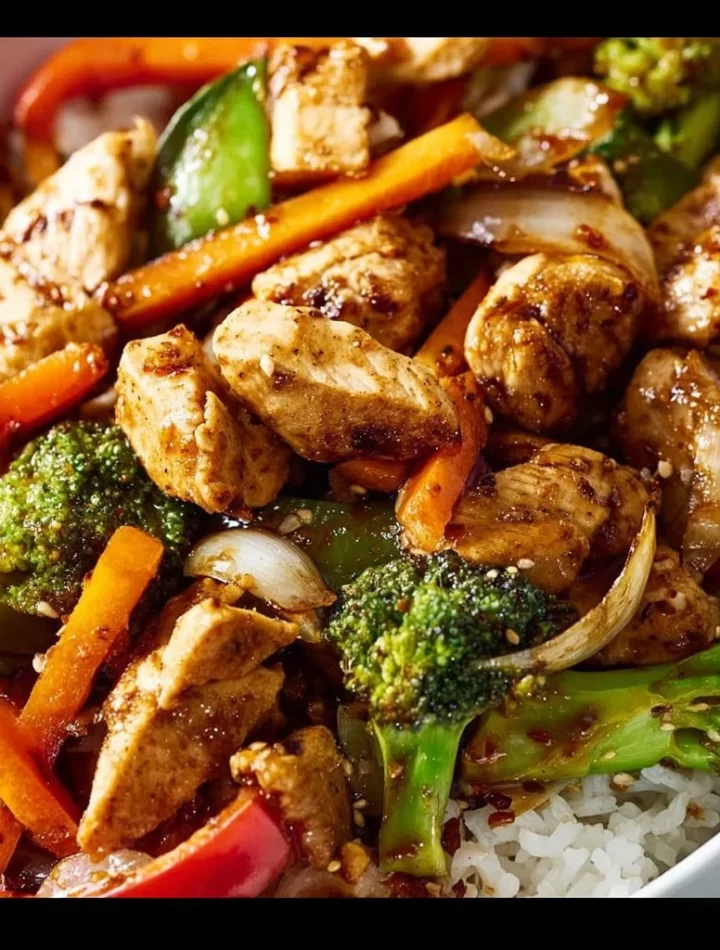
Hibachi Chicken & Vegetables: A Flavorful Journey to Your Table
Hey, foodies! 🌟 Today, we’re diving into a dish that holds a special spot in my heart: Hibachi Chicken & Vegetables. Nothing says "let’s have a party" quite like the sizzle of fresh ingredients hitting a hot grill, right? Just the thought of this delicious meal brings back memories of family dinners, celebratory gatherings, and the thrill of enjoying food cooked right in front of my eyes.
Hibachi cooking is vibrant, fun, and oh-so-satisfying. With its roots in Japanese cuisine, this method of cooking not only highlights the fresh flavors of the ingredients but also brings a sense of anticipation and excitement—who doesn’t love a little show with their meal? Whether you’re prepping for a cozy family night or trying to impress friends with your culinary skills, this dish is sure to be a hit.
In this blog post, I’ll take you through every step of making Hibachi Chicken & Vegetables in your own kitchen. Trust me, it’s easier than it sounds! Along the way, I’ll sprinkle in some of my personal stories and tips to elevate your cooking game. Ready to turn your kitchen into a Hibachi grill? Let’s get started!
Personal Story
I remember the first time I tried my hand at making Hibachi at home. It was a chilly Friday evening, and I was craving the delicious flavors I enjoyed at my favorite Japanese steakhouse. Armed with just a hot skillet and a few fresh ingredients, I was determined to recreate the magic of Hibachi cooking.
As I sautéed the chicken and vegetables, the aroma wafted through the air, reminiscent of that unforgettable night when my friends and I celebrated birthdays together over sizzling plates. We laughed so hard as the chef playfully flipped shrimp into diners’ mouths, and the vibrant colors of the vegetables danced in the heat. That night inspired me to bring that celebratory spirit into my kitchen.
Fast forward to today, and Hibachi Chicken & Vegetables have become a staple in my home. It’s a go-to meal that reminds me of those fond memories while allowing me to create new ones with each cooking session. The beauty of Hibachi cooking is that it’s not just about the food; it’s about the experience, the flavors, and the joy of sharing it with loved ones.
Ingredients
To create your own Hibachi Chicken & Vegetables masterpiece, here’s what you’ll need:
-
Chicken Breast (1 lb)
- Chef’s Insight: Chicken breast is lean and cooks quickly, making it perfect for Hibachi. Feel free to use boneless thighs for a juicier option.
-
Mixed Vegetables (2-3 cups)
- Substitution Tips: A colorful mix of bell peppers, zucchini, mushrooms, and onion works well. You can swap for any seasonal veggies you love or have on hand, such as broccoli or snap peas.
-
Soy Sauce (¼ cup)
- Quick Insight: Soy sauce adds umami and saltiness; you can use low-sodium soy sauce for a healthier option or coconut aminos for a soy-free alternative.
-
Sesame Oil (2 tablespoons)
- Chef’s Tip: This oil lends a wonderful nutty flavor. If you run out, you can substitute with vegetable oil, but you may miss that signature taste!
-
Garlic (2 cloves, minced)
- Substitution Tips: Fresh garlic is ideal for maximum flavor, but you can use garlic powder (1 tsp) in a pinch.
-
Ginger (1 tablespoon, grated)
- Chef’s Insight: Fresh ginger adds a zing. For a milder flavor, you can use ground ginger (1 tsp), but fresh is always best!
-
Green Onions (2, sliced)
- Quick Insight: These add a fresh crunch and beautiful color. If you don’t have green onions, you could use chives or even finely chopped white onion.
-
Salt and Pepper (to taste)
- Chef’s Note: Don’t be shy with seasoning! A little salt and freshly cracked pepper can make a world of difference.
-
Lemon Wedges (for serving)
- Chef’s Trick: A squeeze of fresh lemon juice on the finished dish brightens all the flavors!
Step-by-Step Instructions
Alright, it’s time to roll up those sleeves and get cooking! Here’s how to make your Hibachi Chicken & Vegetables step-by-step:
-
Prep Your Ingredients:
- Start by cutting your chicken into bite-sized pieces and slicing your vegetables. The key to Hibachi cooking is to have everything ready to go before you hit the heat. This ensures a smooth cooking experience and prevents overcooking any ingredients!
-
Heat the Pan:
- In a large skillet or wok, heat 1 tablespoon of sesame oil over medium-high heat. This is where the magic happens! Ensure it’s hot enough that you can hear the sizzle when the chicken hits the pan.
-
Cook the Chicken:
- Add the chicken pieces to the hot skillet. Season lightly with salt and pepper. Cook for about 5-7 minutes, stirring occasionally until the chicken is cooked through and golden brown. If needed, you can work in batches to avoid overcrowding the pan.
-
Add Garlic and Ginger:
- Once the chicken is cooked, push it to one side of the skillet. Add the minced garlic and grated ginger to the empty side. Sauté for about a minute until fragrant, then mix everything together.
-
Incorporate the Vegetables:
- Now it’s time for the veggies! Add your mixed vegetables to the skillet with the chicken. Cook for another 5-7 minutes, stirring frequently, until the veggies are tender-crisp. This is where the colors will really shine.
-
Pour in Soy Sauce:
- Drizzle the soy sauce over the chicken and vegetables. Stir everything around to make sure all your ingredients are coated in that delicious sauce. Enjoy the aroma!
-
Garnish with Green Onions:
- Finally, sprinkle the sliced green onions over the top. Give it a quick toss, and your dish is ready to serve!
-
Serve it Up:
- To plate, you can serve the Hibachi Chicken & Vegetables over a bed of rice or noodles, or even on its own for a low-carb option.
Remember, the key to great Hibachi is the heat and speed, so keep that skillet hot! A fun tip is to pretend you’re at a Hibachi restaurant—add some flair with your spatula flips!
Serving Suggestions
To create that authentic Hibachi experience at home, consider these serving suggestions:
-
Rice or Noodles: Serve your Hibachi Chicken & Vegetables over a generous helping of steamed rice or fried rice. I love using jasmine rice because its floral aroma pairs perfectly with the flavors of this dish. Alternatively, you could toss it with some cooked udon noodles for a fun twist!
-
Garnish: For an extra pop of freshness, add a sprinkle of sesame seeds and a few cilantro leaves. They not only look beautiful but also enhance the flavor profile.
-
Dipping Sauce: To elevate your meal, consider serving it with a Hibachi-style dipping sauce. A mix of soy sauce, ginger, and a splash of vinegar makes a simple yet delicious addition.
-
Lemon Wedges: Don’t forget those lemon wedges! A squeeze of fresh lemon just before serving brightens up all those savory flavors and makes for a gorgeous presentation.
Recipe Variations
Hibachi Chicken & Vegetables is super versatile, so here are some creative variations you can try:
-
Steak or Shrimp: Swap out the chicken for thinly sliced steak or shrimp for a different (yet equally delicious) protein option. Just watch the cooking time as shrimp will cook much quicker!
-
Vegetarian Version: For a veggie-packed meal, replace the chicken with tofu or tempeh. Make sure to press the tofu beforehand to get rid of excess moisture, allowing it to absorb all those great flavors.
-
Spicy Kick: If you love a little heat, add some sliced jalapeños or a dash of sriracha to the pan when you add the soy sauce.
-
Coconut Curry Twist: Stir in some coconut milk and a tablespoon of curry paste for an unexpected twist. This gives you a creamy Hibachi dish with a unique flavor.
-
Zucchini Noodles: For a fun low-carb option, serve your chicken and veggies over zucchini noodles instead of rice or noodles. They add great texture and absorb the flavors beautifully!
Chef’s Notes
Over the years, my Hibachi cooking has grown and changed, much like my palate. I initially began making it as a simple weeknight dinner, but now it often turns into a celebratory feast with friends.
One memorable occasion was when I hosted a Hibachi night for my closest pals. We turned the evening into a “make-your-own Hibachi” station where everyone grilled their own veggies and proteins to their liking. It was chaotic, messy, and one of the most fun nights I’ve ever had in the kitchen!
The delightful thing about Hibachi cooking is that it’s an ongoing journey. You can tweak it to cater to your taste preferences—don’t be afraid to experiment!
FAQs and Troubleshooting
1. Why is my chicken rubbery?
Rubbery chicken usually results from overcooking or using low-quality meat. Make sure to cook the chicken just until no longer pink and consider using marinated chicken for added tenderness.
2. Can I use frozen vegetables?
Absolutely! While fresh is always best, frozen veggies can work in a pinch. Just make sure to thaw and drain any excess water before adding them to the skillet.
3. My dish came out too salty; what can I do?
If your dish is too salty, you can balance it out by adding a splash of water or unsalted broth while cooking. A sprinkle of sugar can also help mellow out the saltiness.
4. What should I serve on the side?
Classic sides for Hibachi include steamed jasmine rice, miso soup, or a refreshing salad. You can even whip up some homemade sushi rolls for a fun fusion meal!
Nutritional Info (per serving)
(Estimated based on 4 servings)
- Calories: 350
- Protein: 30g
- Carbohydrates: 28g
- Fat: 15g
- Fiber: 3g
- Sugar: 2g
Final Thoughts
So, there you have it—a flavorful journey into the world of Hibachi Chicken & Vegetables! This dish is not only delicious but also a wonderful opportunity to make memories in the kitchen with family and friends. Whether you’re sticking to the classic recipe or branching out with some creative variations, remember that cooking is all about having fun.
Each time you whip up this dish, you invite the spirit of Hibachi cooking into your home—a time for laughter, sharing, and, most importantly, enjoying delicious food! So grab those ingredients, turn up your favorite playlist, and let’s create some culinary magic together. Can’t wait to hear how it turns out for you!
Stay hungry, friends!
— Emily
Print
Hibachi Chicken & Vegetables
- Total Time: 30 minutes
- Yield: 4 servings 1x
- Diet: Gluten-Free
Description
A delightful and vibrant Hibachi Chicken & Vegetables dish that brings the restaurant experience to your home kitchen.
Ingredients
- 1 lb Chicken Breast
- 2–3 cups Mixed Vegetables (bell peppers, zucchini, mushrooms, onion)
- ¼ cup Soy Sauce
- 2 tablespoons Sesame Oil
- 2 cloves Garlic, minced
- 1 tablespoon Ginger, grated
- 2 Green Onions, sliced
- Salt and Pepper, to taste
- Lemon Wedges, for serving
Instructions
- Prep your ingredients by cutting chicken into bite-sized pieces and slicing vegetables.
- Heat the pan with 1 tablespoon of sesame oil over medium-high heat.
- Cook the chicken pieces in the hot skillet, seasoning lightly with salt and pepper for 5-7 minutes.
- Add minced garlic and grated ginger to the pan, mixing with the chicken.
- Incorporate the mixed vegetables into the skillet, cooking until they’re tender-crisp.
- Pour soy sauce over the ingredients, stirring to coat everything.
- Garnish with green onions and serve over rice or noodles.
Notes
For an authentic experience, consider serving with rice, noodles, and a Hibachi-style dipping sauce. Squeeze fresh lemon juice before serving for added brightness.
- Prep Time: 15 minutes
- Cook Time: 15 minutes
- Category: Main Course
- Method: Stovetop
- Cuisine: Japanese
Nutrition
- Serving Size: 1 serving
- Calories: 350
- Sugar: 2g
- Sodium: 800mg
- Fat: 15g
- Saturated Fat: 2g
- Unsaturated Fat: 11g
- Trans Fat: 0g
- Carbohydrates: 28g
- Fiber: 3g
- Protein: 30g
- Cholesterol: 70mg
Keywords: Hibachi, Chicken, Vegetables, Japanese, Quick Meal