Seasonal Produce is basically my secret weapon for summer meals that feel fresh without turning cooking into a full time job. You know those hot days when you open the fridge, stare for a minute, and end up eating crackers and something sad? Yeah, I have been there. This plan is what I use when I want real meals, not a bunch of random snacks, but I also do not want to stand over the stove. It is simple, flexible, and built around what actually tastes good right now. Also, it helps cut down on waste, which always makes me feel a little more put together.
Seasonal foods
In summer, the best meals start at the produce section or, if you are lucky, a farmers market. When I shop with Seasonal Produce in mind, I spend less time guessing what to cook because the ingredients already have a plan. Ripe tomatoes basically beg to be sliced. Peaches do not need much help to taste amazing. And crunchy cucumbers instantly make any plate feel like a summer plate.
Here is what I reach for most, plus exactly how I use it at home so you can copy and paste the idea into your own week.
My summer produce MVPs and how I use them
Tomatoes go into quick salads, sheet pan dinners, and cold pasta. If they are really good, I just add salt, olive oil, and call it a side dish.
Corn is my favorite “instant upgrade.” I cut it off the cob and toss it into salads, tacos, and rice bowls. If you only cook one thing, cook corn.
Zucchini is the vegetable that quietly saves dinner. I slice it, salt it, and pan cook it fast. Or I throw it on a tray with olive oil and roast it while I do literally anything else.
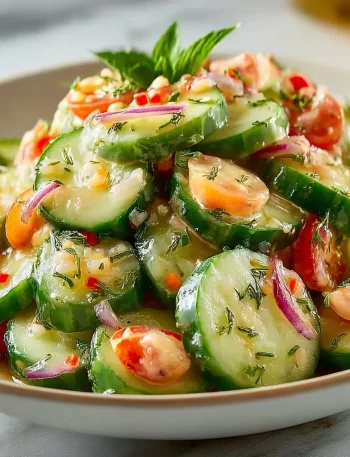
Cucumbers are for crunch. I do a quick mix with vinegar, salt, a little sugar, and chili flakes when I want something snacky but not heavy.
Peaches and berries are dessert, breakfast, and afternoon “I need something” food. I keep them visible on the counter so I actually eat them.
Leafy herbs like basil, mint, and cilantro make simple food taste intentional. Even if the meal is leftovers, herbs make it feel new.
One small tip that actually matters: buy produce in two waves if you can. I shop once for sturdy stuff like zucchini, corn, onions, and lemons. Then midweek I grab delicate fruit and herbs. It keeps your Seasonal Produce from turning into compost by Thursday.
I also lean on one easy “house dressing” all week: olive oil, lemon, salt, pepper, and a tiny spoon of mustard. I shake it in a jar and throw it on anything. It makes a bowl of tomatoes and cucumbers feel like a real plan.
Quick storage notes that save money and headaches:
Tomatoes stay on the counter, not the fridge, unless they are already cut. Herbs last longer if you trim the ends and keep them in a jar with water, like flowers. Berries do best unwashed until you eat them. Zucchini can chill in the fridge, but do not cram it behind things or you will forget it exists.
Weekly menu
This is the part where everything clicks. I build a week that repeats ingredients on purpose, so nothing gets wasted and nothing feels complicated. I aim for dinners that are mostly hands off and lunches that are basically “assemble and eat.” If you want to cook more, go for it, but this works great even if you are tired or busy.
The no stress summer dinner rhythm
Here is my sample week. Swap days around, skip a meal, repeat a favorite. This is your life.
- Monday: Tomato, cucumber, and corn salad with rotisserie chicken or chickpeas. Add basil if you have it.
- Tuesday: Zucchini and shrimp or tofu skillet with rice. Finish with lemon.
- Wednesday: Sheet pan sausage, peppers, onions, and cherry tomatoes. Serve with a big green salad.
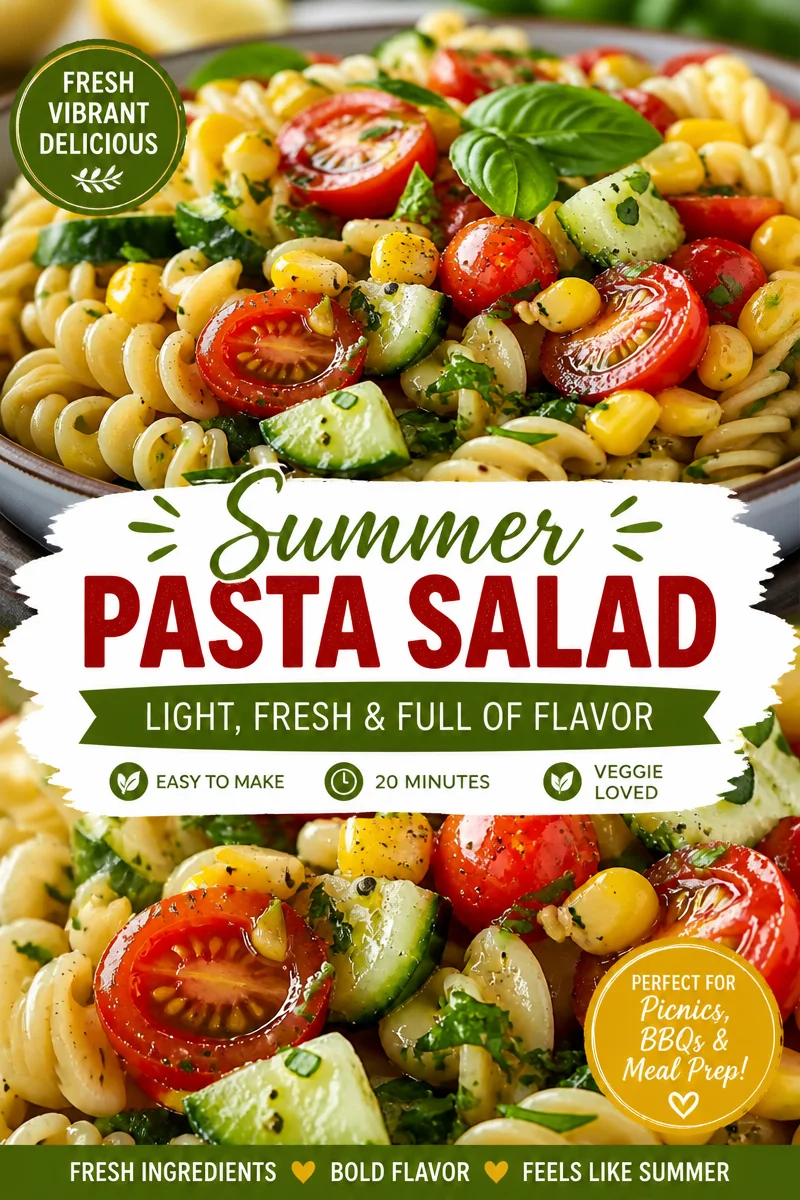
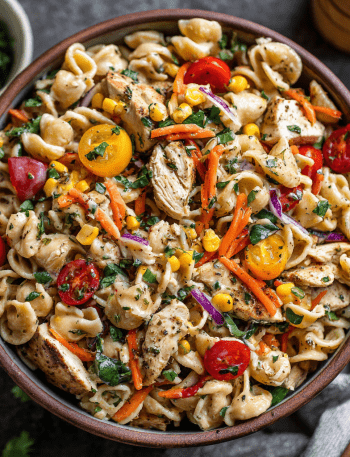
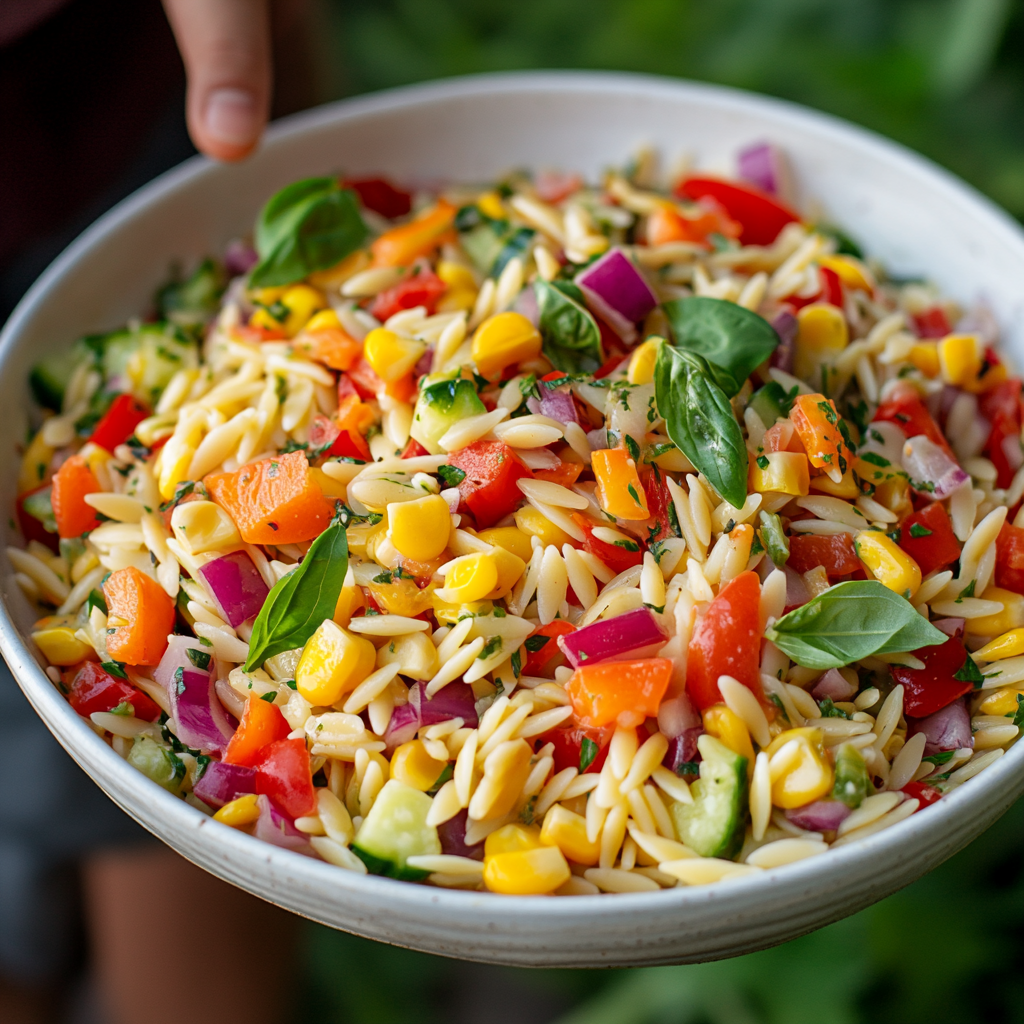
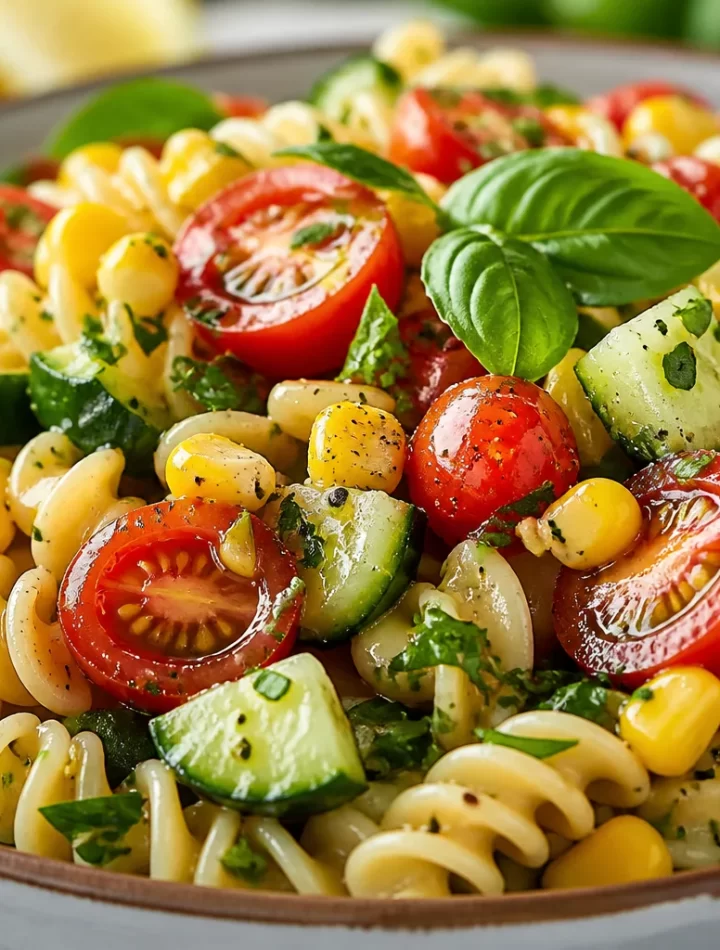
- Thursday: Cold pasta salad with tomatoes, corn, cucumbers, feta, and herbs. It is even better the next day.
- Friday: Taco night with cabbage or lettuce, corn, avocado, and a quick tomato salsa.
- Saturday: Simple grilled or pan cooked fish with zucchini and a peach salad on the side.
- Sunday: “Use it up” grain bowls. Leftover rice or quinoa, any veggies, a fried egg, and that jar dressing.
Now for the part I get asked about a lot: how to keep it from feeling like the same meal. The trick is changing the flavor finish. One night use lemon and herbs, another night use lime and a little cumin, another night use balsamic and mozzarella. Same Seasonal Produce, different vibe.
My favorite recipe from this whole plan is the cold pasta salad, because it solves lunch for two days and it tastes like summer in a bowl.
My favorite recipe: cold summer pasta salad that fixes your whole week
What you need:
Cooked pasta, tomatoes, cucumbers, corn, a handful of herbs, olive oil, lemon or vinegar, salt, pepper. Optional but excellent: feta or mozzarella, a can of tuna, or leftover chicken.
How I make it: I cook the pasta, rinse it briefly with cool water, and let it drain well. Then I toss it with chopped tomatoes, cucumbers, and corn. I add olive oil and lemon, salt and pepper, and a tiny spoon of mustard if I want it extra lively. Herbs go in last so they stay bright. I chill it for at least 20 minutes, because cold pasta salad tastes better when it has time to hang out.
Little real life tips: If your tomatoes are super juicy, add them right before serving so the salad does not get watery. If you are packing it for work, keep the dressing in a small container and mix it in at lunch. And if it tastes flat, it usually just needs more salt or more lemon.
“I tried your weekly menu idea and the cold pasta salad saved me. I did not order takeout once this week, and my kids actually ate the cucumbers. That never happens.”
Shopping list
This is the part that makes the whole thing easy. When I stick to a list, I buy what I will actually use, and my fridge stops being a graveyard of good intentions. I also keep it flexible so you can adjust based on what looks best, because Seasonal Produce changes a little week to week.
One simple list for the whole week
Use this as a base, then edit it to fit your people and your appetite.
Produce: tomatoes, cherry tomatoes, cucumbers, zucchini, corn, peppers, onions, garlic, lemons or limes, salad greens, basil or cilantro, peaches, berries, avocado.
Proteins: rotisserie chicken or chicken breasts, eggs, shrimp or tofu, sausage, canned tuna or beans.
Carbs and pantry: pasta, rice or quinoa, tortillas, olive oil, vinegar, mustard, salt, pepper, chili flakes, cumin.
Dairy and extras: feta or mozzarella, yogurt for quick sauces, nuts or seeds for crunch.
Two quick money saving habits I actually follow: I buy the “best looking” fruit, not the biggest container. And I only buy delicate herbs if I have a plan for them in the next two to three days. Nothing hurts like a slimy clamshell of basil.
Also, if you are cooking for one or two, you can still do this. Just halve the pasta, cook less protein, and lean into bowls and salads. Seasonal Produce is perfect for smaller households because you can keep meals light and repeat ingredients without boredom.
Common Questions
1) How do I keep summer meals from heating up the kitchen?
I use sheet pans, quick skillets, and a lot of no cook meals. Salad plus a protein counts as dinner, no one is giving out awards for suffering over the stove.
2) What if my produce ripens all at once?
Chop and store what you can. Cucumbers and peppers hold up well. For fruit, freeze berries and sliced peaches for smoothies. If tomatoes are going fast, turn them into a quick salsa and eat it for two days.
3) Can I make this meal plan vegetarian?
Yes. Swap chicken and sausage for chickpeas, black beans, tofu, or eggs. The flavors still work, and you will still get plenty of variety.
4) How do I meal prep without spending my whole Sunday doing it?
Do just three things: cook a batch of rice or quinoa, mix a jar dressing, and wash and chop a few veggies. That is enough to make the week feel easy.
5) What is the easiest way to start if I am overwhelmed?
Pick two meals from the weekly menu and shop only for those. Once you see how far a few summer ingredients go, the rest gets simpler.
A simple summer wrap up
If you build your week around Seasonal Produce, dinner gets easier and it honestly tastes better. Start with a few summer favorites, repeat them on purpose, and keep one or two quick sauces ready to go. Use the weekly menu as a guide, then make it yours based on what looks good at the store. And please try that cold pasta salad, it is my personal hero when the week gets busy.