Turkey Meatballs for Toddlers — A Cozy, Kid-Approved Classic from My Kitchen to Yours
Introduction
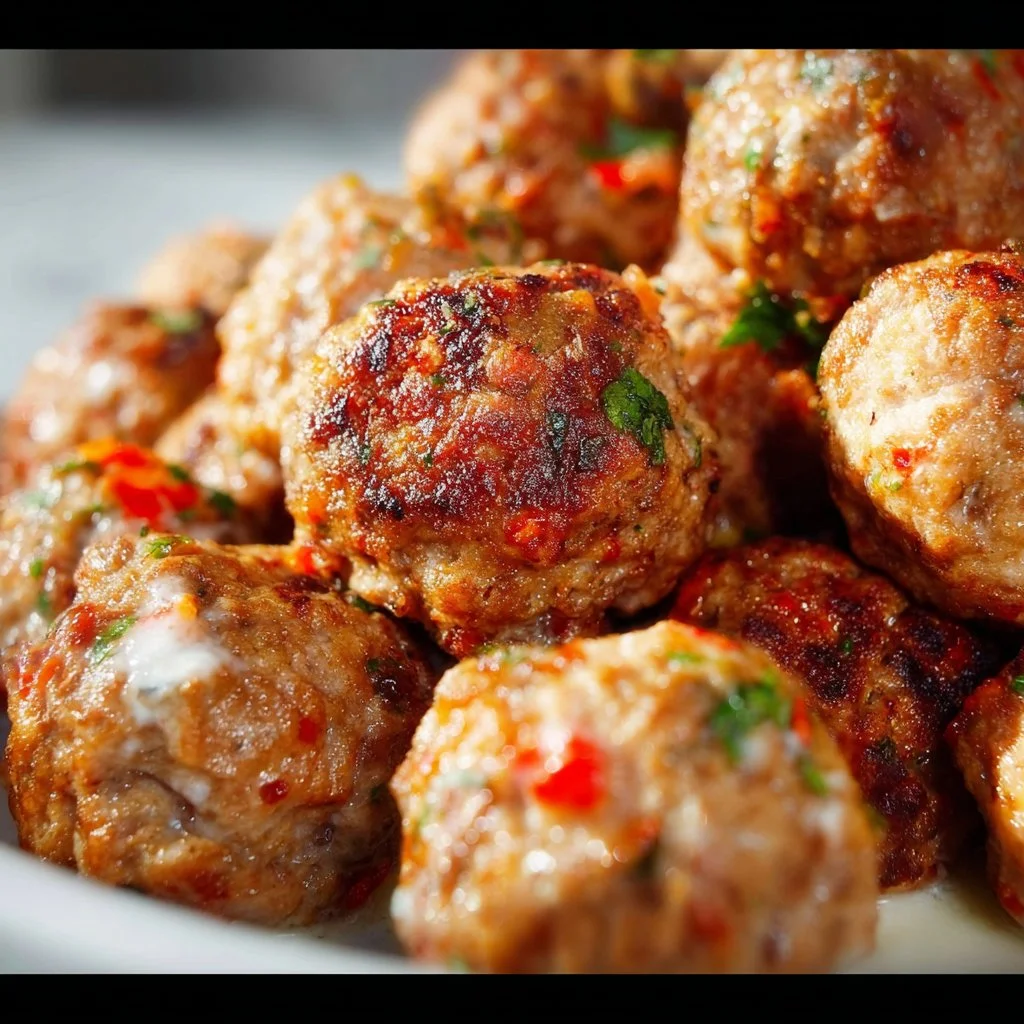
Hey there, friend — Chef Emily here, apron a little messy and heart full of flavor. If you’re on a mission to make mealtime less stressful and a lot more delicious for your little one, you’ve landed in the right place. Today we’re talking about turkey meatballs for toddlers: small, soft, protein-packed bites that are perfect for tiny hands, growing bodies, and picky palates. These aren’t your heavy, restaurant-style meatballs — they’re light, tender, and intentionally made for sensitive mouths and busy households.
I love this recipe because it hits so many goals at once. It’s gentle on tender tummies, easy to freeze and reheat, and flexible enough to sneak in some veggies without drama. Most importantly, it’s one of those dishes that turns picky nibblers into enthusiastic eaters. We’re going to keep the seasoning simple and the textures soft so toddlers can chew easily, but we’ll also make sure the flavor is interesting enough for grown-up taste testers (spoiler: grown-ups always steal these).
In this post you’ll get a full walkthrough: a little kitchen storytelling (because I’m a sucker for nostalgia), a clear ingredient list with substitution tips, step-by-step instructions with chef hacks (my favorite), serving ideas, variations to keep things fresh, troubleshooting, nutrition info, and some final thoughts to keep you inspired. Whether you’re a new parent, a seasoned caregiver, or just someone who wants a wholesome freezer-friendly meal, this turkey meatball recipe will become a go-to in your rotation.
I promise it’s doable on a weeknight, comforting enough for weekend lunches, and adaptable if you’re feeding a toddler with texture preferences, allergies, or a strong opinion about green things. So tie that apron, grab a snack for taste-testing (it helps morale), and let’s make something warm and reassuring that your kid will actually eat.
Personal Story
I still remember the first time I made tiny turkey meatballs for my niece, Lucy. She was eighteen months old and very suspicious of anything that wasn’t purple (don’t ask — toddler logic!). I wanted her to try something that felt familiar, so I shaped the meatballs into cute little rounds and let her help roll them. Her serious little face as she squished a raw meatball (don’t worry — supervised and quick to wash hands) was priceless. We baked them together, and when the first one hit her tray she hesitated, then glanced up at me, bit in, and very solemnly said, “Mmm.” That one-syllable endorsement became my official stamp of approval.
Over the years I’ve tweaked the recipe to suit tiny teeth and busy schedules. I learned the hard way that dense breadcrumbs and overworked mixtures make tough meatballs — not cute or toddler-friendly. I also discovered that a dash of apple sauce or grated carrot did wonders for moisture and kid-approved sweetness without being sneaky. Every time I serve these at family gatherings, there’s a line of littles and bigs waiting. The sight of a toddler confidently feeding themselves a round little meatball never gets old — it’s one of those small kitchen victories that makes me grin for the rest of the day.
Ingredients
Here’s what you’ll need. I’ll keep the quantities flexible so you can adjust for your family size. For the full recipe you can use about 1 to 1.25 pounds ground turkey for 20–24 toddler-sized meatballs.
- Ground turkey (1–1.25 lb): Choose lean ground turkey (93/7 to 99/1) for a lighter meatball, but don’t go too lean or they’ll dry out. Dark meat blends (if available) add extra moisture and flavor.
- Plain breadcrumbs or oats (1/2 cup): Breadcrumbs help bind without making the meatballs dense. For a gluten-free option, use quick oats or crushed gluten-free crackers. If using oats, pulse briefly in a blender for a finer texture.
- Egg (1 large): Acts as a binder and adds tenderness. For egg allergies, try 1/4 cup mashed banana or 1/4 cup unsweetened applesauce — both help hold the mixture together, though texture will change slightly.
- Finely grated carrot (1/3 cup): A great sneaky veggie that adds sweetness and moisture. You can also finely grated zucchini (squeeze out excess moisture) or sweet potato for variety.
- Finely chopped mild onion or shallot (2 tbsp): Adds depth without being sharp. If your toddler rejects visible onion, sauté it first to mellow the flavor or use onion powder (1/2 tsp).
- Minced garlic (1 small clove or 1/4 tsp garlic powder): Optional but lovely. Garlic powder is great for subtle flavor.
- Plain yogurt or unsweetened applesauce (2 tbsp): Use plain yogurt (whole milk) for creaminess and tenderizing, or applesauce for a dairy-free, kid-friendly sweet note.
- Fresh parsley, finely chopped (1 tbsp): A little green for freshness; you can omit if your toddler hates herbs. Dried parsley (1 tsp) works in a pinch.
- Salt (1/4 tsp) and pepper (pinch): Keep the salt low for toddlers; a tiny pinch enhances flavor. Avoid added saltable toppings for very young babies, and consult pediatric guidance if you’re on a restricted sodium plan.
- Mild cheese, grated (optional, 1/4 cup): Mild cheddar or mozzarella adds comfort and melt. Great if your kid loves cheesiness.
- Olive oil or avocado oil (1 tbsp for pan-frying/baking spray): Use a small amount to prevent sticking if baking or pan-frying. Nonstick parchment also helps.
Step-by-Step Instructions (with chef hacks)
- Prep your mix-ins and tools
- Preheat your oven to 375°F (190°C) if you plan to bake. Line a baking sheet with parchment paper or lightly grease it.
- Finely grate your carrot and onion. The finer the texture, the easier it will be for toddlers to eat.
Chef hack: Use the small hole of a box grater or a microplane. If you have a food processor, pulse briefly — but don’t puree.
- Combine the wet ingredients
- In a large bowl, whisk the egg with the yogurt or applesauce until smooth. Add the grated carrot, onion, minced garlic (if using), and parsley.
Tip: Mixing wet ingredients first helps distribute moisture evenly and reduces overworking the meat.
- Add the turkey and binders
- Add the ground turkey to the bowl. Sprinkle in the breadcrumbs (or oats) and grated cheese if using. Season lightly with salt and a pinch of pepper.
- Gently fold everything together with your hands or a sturdy spoon until just combined. Avoid compacting or overmixing; you want homogenous but loose meatballs.
Chef hack: Wet your hands slightly before shaping—this prevents the mixture from sticking and keeps meatballs tender.
- Portion and shape toddler-size meatballs
- Aim for 1 to 1.5-inch meatballs — small enough for little hands and mouths, but big enough to pick up with forks. Use a small cookie scoop or teaspoon to keep sizes uniform.
- Roll gently; firm pressure creates tight meatballs that can become dense. We want soft, pillowy bites.
Tip: If you’re worried about raw meat handling, assemble on a sheet of parchment and roll gently in place.
- Choose your cooking method
Baking (recommended for easy prep and less hands-on time):
- Place meatballs on the parchment-lined baking sheet, spaced slightly apart.
- Bake for 14–18 minutes at 375°F, or until internal temperature reaches 165°F (74°C). A quick broil for 1–2 minutes can add a light golden top if desired.
Chef hack: If you want a softer exterior (more toddler-friendly), cover loosely with foil for the first 10 minutes, then remove to finish.
Pan-frying (for crisp edges, faster finish):
- Heat a skillet over medium with 1 tablespoon oil. Add meatballs in a single layer, don’t overcrowd.
- Cook 3–4 minutes per side, turning gently, until cooked through and golden. Finish in a 350°F oven for 5–7 minutes if they’re browning too fast and not cooking through.
Tip: Use a splatter guard and keep a lid nearby when working with little cooks in the kitchen.
Instant Pot/Steaming (for the softest texture):
- Place meatballs in a steamer basket or on the trivet with 1 cup of water. Cook on high pressure for 5 minutes and do a quick release. These come out extremely tender.
Chef hack: This is my go-to when I plan to puree a few for baby-led weaning mash or add to soups.
- Cool and serve safely
- Let cooked meatballs rest for a few minutes to set and cool to toddler-friendly temperature. Cut one open to test doneness and texture first — toddlers often prefer softer interiors.
- For toddlers under two, cool to lukewarm and slice into halves if still unsure about swallowing chunks.
Parent tip: Freeze extras in a single layer on a tray, then transfer to a freezer bag. Reheat from frozen in a warm sauce, low oven, or microwave (stirring and checking temperature) until heated through.
Serving Suggestions
Let’s make those meatballs look and feel fun — because presentation matters when you’re convincing a tiny human to try new things.
- Classic pasta pairing: Toss meatballs in a mild tomato sauce and serve over small pasta shapes (stars, shells, mini elbows). Chop if needed and add a sprinkle of grated cheese. This is an all-time toddler favorite and perfect for scooping.
- Veggie mash & meatballs: Pair with a smooth sweet potato or butternut squash mash. The sweet, creamy base contrasts beautifully with the savory meatball and makes it more likely your toddler will take a bite.
- Mini meatball skewers: Thread 2–3 cooled meatballs onto blunt-ended toothpick alternatives (like short wooden skewers with the point removed) with soft steamed carrot coins or peas in between. Toddlers love the novelty; just supervise closely.
- Dipping fun: Serve with full-fat plain yogurt thinned with a bit of lemon juice, a mild tomato dip, or an applesauce combo for a sweeter option. Dipping adds engagement and encourages trying new flavors.
- Bento style: Add a couple of meatballs to a divided plate with cucumber sticks (peeled if needed), soft steamed broccoli florets, and small cubes of cheese. Variety on the plate encourages exploration.
Recipe Variations
Here are creative twists and easy dietary swaps so you can keep this recipe interesting week after week:
- Veggie-loaded turkey meatballs
- Add finely grated zucchini (squeeze out excess water), spinach (blitzed in the food processor), or finely chopped mushrooms. These boost nutrients without changing the kid-friendly texture.
- Italian-style meatballs (for older toddlers)
- Add 1 tsp dried oregano and 1/2 tsp dried basil to the mix. Serve with marinara and a sprinkle of Parmesan. Keep salt minimal.
- Sweet & savory apple meatballs
- Replace applesauce with 2 tablespoons unsweetened applesauce and add a pinch of cinnamon. These pair wonderfully with a yogurt dip and are great for toddlers who prefer milder, sweeter flavors.
- Gluten-free and dairy-free swap
- Use gluten-free oats or gluten-free breadcrumbs. Replace yogurt and cheese with dairy-free yogurt alternatives or mashed avocado for moisture.
- Mini meatball soup
- Simmer meatballs in a mild chicken or vegetable broth with tiny pasta pieces and diced soft vegetables for a warming, spoonable meal that’s perfect for colder months.
Chef’s Notes
A few things I’ve learned from years of making these for toddlers and stuffing a freezer full for busy weeks:
- Don’t overwork the mixture: The cardinal sin of meatball-making for tender mouths is overworking. Mix until combined and stop. Kept gentle, the meatballs stay soft.
- Size matters: Toddler-friendly meatballs are small. They cool quicker, fit in small mouths, and are great for practicing self-feeding skills.
- Texture experiments: If your toddler rejects bits of veggies, try finely grating or pureeing them into the wet mix. Texture is often the hurdle, not the flavor.
- Freezer hack: Freeze on a tray in a single layer and then bag them. This keeps them from sticking together and makes portioning a breeze.
- Leftovers win: I always keep a stash in my freezer for emergency dinners. They reheat beautifully in a warm sauce or steamer.
FAQs and Troubleshooting
Q: My meatballs are falling apart — what did I do wrong?
A: Likely under-binding or too wet a mixture. Add a little more breadcrumb or a tablespoon of oats to absorb moisture, and make sure you’re using an egg or applesauce to bind. Chill the mixture for 10–15 minutes before shaping to firm it up.
Q: They’re dry and dense after baking. How do I keep them tender?
A: Avoid overmixing — mix until just combined. Use a bit of yogurt, applesauce, or a small amount of grated cheese to add moisture. Try shorter bake times and test one with an instant-read thermometer (165°F/74°C is safe for turkey).
Q: My toddler gags on chunks — how can I adapt texture?
A: Grate veggies very finely or puree them. Cut meatballs into smaller pieces or serve sliced. Steam or simmer the meatballs in broth to soften them more before serving.
Q: Can I freeze these and how long do they keep?
A: Yes — freeze in a single layer on a tray for 1–2 hours, then transfer to a freezer bag. They’ll keep well for up to 3 months. Reheat gently in sauce, microwave (stirring and checking temperature), or steam from frozen.
Nutritional Info (if applicable)
Turkey meatballs are a great protein source for toddlers and can be balanced with carbs and veggies for a complete meal. Exact nutrition will vary by ingredients and portion size, but here’s a general look for one toddler-sized meatball (using lean turkey, light binders, and small amounts of cheese):
- Calories: approx. 35–55 kcal per small meatball
- Protein: 4–6 g — excellent for growth, muscle development, and satiety
- Fat: 1–3 g depending on turkey leaness and added cheese
- Carbohydrates: 1–3 g from breadcrumbs/oats and vegetables
- Fiber: 0.2–0.6 g depending on veggie additions
- Sodium: Keep low — about 25–60 mg per meatball; reduce added salt for very young kids
Why this works nutritionally:
- Turkey provides lean animal protein with iron and B vitamins. For toddlers, protein supports steady energy and development.
- Adding pureed or grated vegetables boosts vitamins, minerals, and a bit of fiber without drastically changing flavor.
- Whole-grain crumbs or oats add a touch of complex carbs and fiber, which helps maintain steady blood sugar between snacks.
- If you’re watching sodium, be mindful of pre-shredded cheeses and flavored breadcrumbs — use plain versions whenever possible.
Final Thoughts
Making food for toddlers is part science, part patience, and a whole lot of love. These turkey meatballs are the kind of recipe I rely on when I want a low-stress, high-reward meal that supports healthy growth and develops palate skills. They freeze like a dream, adapt to most dietary needs, and are endlessly improvable — add herbs, mix in veggies, or turn them into mini subs for bigger kids.
If you’re nervous about introducing new textures or flavors, start small: offer one meatball alongside a familiar favorite and celebrate the small victories. Toddlers are notoriously inconsistent eaters, but recipes like this — simple, comforting, and versatile — make repeated exposure easier and more fun. Let your little one explore; some days they’ll be adventurous, other days they’ll only want the yogurt dip. Both are okay.
I hope this recipe gives you a flexible, go-to option for lunches, snacks, or dinner sides. Try it plain, try it cheesy, and definitely try making a double batch to stash in the freezer. Cooking for kids should be joyful, not stressful, and these turkey meatballs are my reminder that wholesome food can be both practical and magical.
Conclusion
If you want another simple, veggie-packed turkey meatball recipe for inspiration, check out this great version for extra ideas: Easy Turkey Meatballs for Toddlers (With Veggies) | Eat Well With Lex
Made with love,
Emily Walker — Tasty Chow

Turkey Meatballs for Toddlers
- Total Time: 33 minutes
- Yield: 20–24 meatballs 1x
- Diet: Child-Friendly
Description
Tender, protein-packed turkey meatballs designed for toddlers, perfect for tiny hands and picky eaters.
Ingredients
- 1–1.25 lb ground turkey (lean variety)
- 1/2 cup plain breadcrumbs or oats
- 1 large egg
- 1/3 cup finely grated carrot
- 2 tbsp finely chopped mild onion or shallot
- 1 small clove minced garlic or 1/4 tsp garlic powder
- 2 tbsp plain yogurt or unsweetened applesauce
- 1 tbsp fresh parsley, finely chopped
- 1/4 tsp salt
- A pinch of pepper
- 1/4 cup grated mild cheese (optional)
- 1 tbsp olive oil or avocado oil (for frying/baking spray)
Instructions
- Prep your mix-ins and tools: Preheat the oven to 375°F. Line a baking sheet with parchment paper.
- Combine the wet ingredients: In a bowl, whisk the egg with yogurt or applesauce, then add grated carrot, onion, garlic, and parsley.
- Add the ground turkey to the bowl, sprinkle in breadcrumbs or oats, and grated cheese if using. Season lightly.
- Fold everything together gently to avoid overmixing.
- Portion and shape 1–1.5 inch meatballs, rolling gently.
- Choose your cooking method: Bake at 375°F for 14–18 minutes or pan-fry in a skillet for 3–4 minutes per side.
- Cool and serve: Let sit for a few minutes to cool before serving to toddlers.
Notes
These meatballs freeze well. To reheat, thaw and warm gently with sauce.
- Prep Time: 15 minutes
- Cook Time: 18 minutes
- Category: Main Course
- Method: Baking
- Cuisine: American
Nutrition
- Serving Size: 1–2 meatballs
- Calories: 40
- Sugar: 1g
- Sodium: 40mg
- Fat: 2g
- Saturated Fat: 0.5g
- Unsaturated Fat: 1.5g
- Trans Fat: 0g
- Carbohydrates: 2g
- Fiber: 0.2g
- Protein: 5g
- Cholesterol: 35mg
Keywords: turkey meatballs, toddler-friendly, easy recipe, healthy kids meals