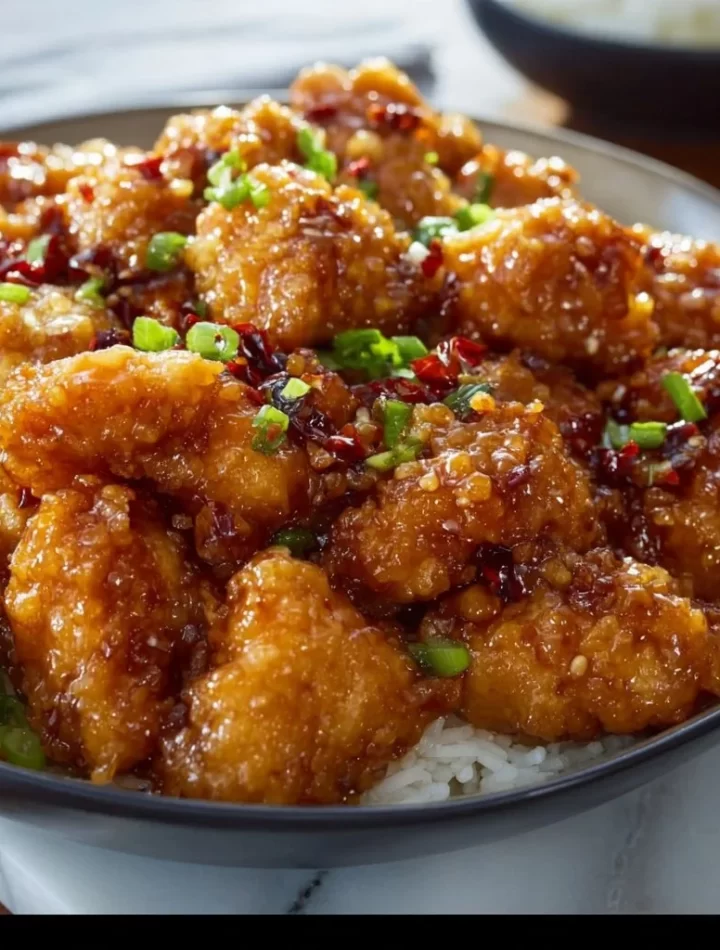
Hey there, flavor chaser! If your taste buds ever chant “soy, sweet, spicy, crunchy” in unison, you’re about to meet your new kitchen obsession: General Tso’s Chicken. This sticky, sweet, and slightly spicy Chinese-American classic has a way of making even the most harried weeknight feel like a mini celebration. I love it because it hits that magical trifecta—crisp chicken, heady aromatics, and a glossy sauce that clings to each bite. It’s the kind of dish that gets texted photos, whispered recipe requests, and the occasional playful rivalry over who gets the last piece.
General Tso’s is comfort with a little swagger. It was born from the crossroads of old-school techniques (hello, cornstarch fry) and modern cravings for bold flavors. In my kitchen, it feels like throwing a dinner party where everyone’s invited: kids who want the sweet parts, spice fans who want to up the heat, and sauce-lovers who dip their rice and broccoli right into that shiny glaze. It’s approachable enough for people trying their hand at frying for the first time, and customizable enough to keep improvisers happy.
I’ll walk you through everything—what to buy, how to prep, and chef tricks I picked up through trial and glorious error. You’ll get a crisp, succulent chicken with a sauce that’s balanced (not tooth-achingly sweet) and chock-full of garlicky, gingery goodness. Expect useful insights like whether to use thighs or breasts, how to get ultra-crispy coating without fancy equipment, and how to rescue a sauce that’s too thin. By the end, you’ll have a weeknight wonder in your repertoire and a recipe that beckons friends over. Let’s go make some saucy magic.
Personal Story
I still remember the first time I attempted General Tso’s that didn’t use takeout. I’d been dreaming about that perfect combo—crispy on the outside, juicy on the inside, coated in a lively sauce—and decided one rainy Saturday to recreate it from scratch. My kitchen looked like a tiny martial arts dojo: dried chilies staged like little red nunchucks, a mountain of cornstarch, and steam rising like fog.
My grandma watched from the doorway, curious but unconvinced. She grew up eating simple, straightforward meals, and this theatrical frying-and-tossing business was new to her. But then she took a bite and made this delighted, surprised noise—the kind people reserve for a slice of pie they never expected to like. She asked for the recipe, and I promised to write it down. We ended up sharing that plate over cups of green tea, comparing it to her simpler soy-sauce braises. The flavors were different, but the joy of sharing food? Exactly the same. That’s what this dish became for me: a bridge between memories and new kitchen adventures.
Ingredients
-
1 1/2 pounds boneless, skinless chicken thighs, cut into 1-inch pieces
- Thighs stay juicier and tolerate frying better; use breasts if you prefer leaner meat, but reduce frying time.
-
1 large egg
- Helps the cornstarch adhere and gives a light-batter texture. Skip for a strictly cornstarch-only crisp.
-
1 cup cornstarch (plus 2 tbsp for slurry)
- Cornstarch gives that addictive, glassy crisp. For gluten-free, this is perfect; arrowroot works but can be a touch less crunchy.
-
1 tsp kosher salt and a few grinds of black pepper
- Simple seasoning foundation—adjust salt depending on whether you use low-sodium soy.
-
2–3 cups vegetable oil (for frying)
- Neutral oils like canola or peanut have high smoke points. If avoiding deep frying, we’ll cover pan-fry / oven options below.
-
3 cloves garlic, minced
- Fresh garlic packs big flavor; avoid pre-minced jars for best aroma.
-
1 tbsp fresh ginger, finely minced
- Ginger brightens and balances the sweetness—don’t skip it.
-
4–5 scallions (green onions), cut into 1-inch pieces (separate whites and greens)
- Whites go in the wok for flavor; greens are garnish.
-
6–8 dried red chilies or 1–2 tsp chili flakes / 1 tsp Sriracha (optional)
- Dried chilies give the traditional look and a toasty heat. Adjust to taste.
-
For the sauce:
- 1/4 cup low-sodium soy sauce (or tamari for gluten-free)
- 2 tbsp rice vinegar (or apple cider vinegar in a pinch)
- 2 tbsp hoisin sauce (adds depth; sub more brown sugar if unavailable)
- 3 tbsp brown sugar (or honey for a floral sweetness)
- 1/3 cup chicken stock (or water)
- 1 tsp sesame oil (for finishing flavor)
-
2 tbsp cornstarch + 2 tbsp water (slurry)
- Slurry thickens the sauce quickly to that glossy clinginess we love.
-
Sesame seeds and extra scallion greens for garnish
- Optional but they make everything feel like a finished dish.
Step-by-Step Instructions
-
Prep and marinate the chicken (10–15 minutes)
- In a bowl, whisk the egg with 1 tbsp soy sauce and a pinch of salt. Add the chicken pieces and mix so every piece gets a glossy coating. Let it sit while you prep the sauce. This light marinade seasons the meat and helps the cornstarch stick evenly. Tip: for deeper flavor, marinate 30 minutes to an hour in the fridge.
-
Make the sauce (2 minutes prep)
- In a small bowl, whisk together 1/4 cup soy sauce, rice vinegar, hoisin, brown sugar, and chicken stock. Taste—aim for a balance of salty, sweet, and tangy. If it’s too sharp, a little extra sugar or honey will smooth it out. Keep the slurry (2 tbsp cornstarch + 2 tbsp water) nearby; you’ll need it to thicken at the end.
-
Coat the chicken with cornstarch (5 minutes)
- Place the cornstarch in a shallow dish or large zip-top bag. Add the egg-coated chicken and toss until each piece is evenly dusted. Shake off the excess—too much cornstarch creates a gummy crust. Pro tip: work in batches to avoid clumps; the goal is a fine, even coating.
-
Fry for crispiness (10–12 minutes total)
- Heat 2–3 inches of oil in a heavy pot or wok to about 350°F (175°C). If you don’t have a thermometer, test with a small piece of cornstarch-dusted chicken—if it sizzles and rises, you’re good. Fry chicken in batches so the oil temperature stays steady. Cook about 3–4 minutes per batch until golden and just cooked through. Drain on a rack or paper towel. For ultra-crisp texture, double-fry: fry once until pale golden, rest 2 minutes, then fry again until deep golden. Hack: if you prefer less oil, pan-fry in a nonstick skillet with a couple tablespoons of oil and turn frequently; it won’t be quite the same crunch, but it’s delicious.
-
Sauté aromatics and chilies (1–2 minutes)
- Wipe out most of the oil from the wok, leaving a thin film. Add a splash of fresh oil, then toss in the white parts of the scallions, minced garlic, and minced ginger on medium-high heat. Sizzle briefly until fragrant—don’t let garlic burn. Add dried chilies now if you’re using them; they’ll toast and release smoky heat.
-
Combine sauce and chicken (2–3 minutes)
- Pour your sauce mixture into the wok and bring to a simmer. Stir in the cornstarch slurry to thicken; it should go from watery to glossy in seconds. Add the fried chicken, tossing quickly so each piece gets an even glaze. Work fast so the chicken stays crisp—overstirring can soften the coating.
-
Finish and garnish (30 seconds)
- Turn off the heat and drizzle 1 tsp sesame oil for that toasty finish. Toss in the scallion greens and sprinkle with sesame seeds. Serve immediately over steamed rice or alongside stir-fried greens.
Chef hack: If your sauce finishes too thin, remove chicken and keep simmering sauce, add a little more cornstarch slurry. If the sauce is lumpy, whisk it in a separate bowl and pour back in, stirring constantly. For a glossy finish, hot sauce + a tiny knob of butter at the end can add shine—use sparingly.
Serving Suggestions
-
Classic rice: Spoon the saucy General Tso’s over steamed jasmine or long-grain rice to soak up every bit of glaze. The rice acts like a neutral playground for the sauce’s bold flavors.
-
Veggie sides: Brighten the plate with quickly blanched or stir-fried broccoli, snow peas, or bok choy. A sprinkle of toasted sesame seeds and a squeeze of lime can add freshness.
-
Noodle bed: Toss the chicken with lo mein or egg noodles for a chow-mein-style twist—just reserve a little sauce for tossing the noodles.
-
Shareable platter: Arrange the chicken on a large platter with piles of pickled cucumbers, steamed rice, and lime wedges for a family-style dinner where everyone can load up their plate.
-
Lighter option: Serve over cauliflower rice or a bed of mixed greens for a low-carb take. The sweet-savory sauce keeps everything satisfying even without traditional starch.
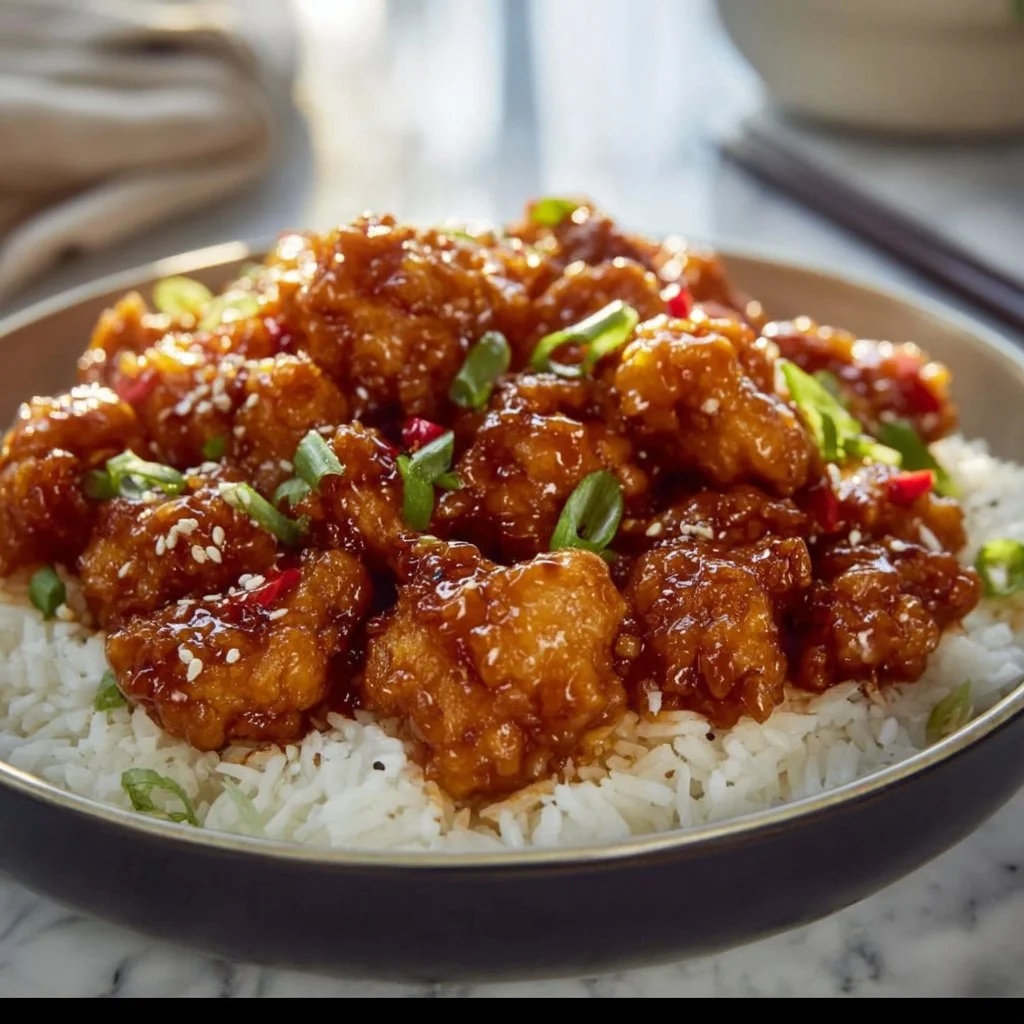
Presentation tips: Use a shallow bowl to help the glossy sauce pool just right. Garnish with thinly sliced scallion greens and a few toasted sesame seeds for color and texture. If you’re feeling extra, a few finely sliced fresh chilies on top signal the heat level and add a pop of color.
Recipe Variations
-
Vegan / Vegetarian General Tso’s: Swap chicken for extra-firm tofu or cauliflower florets. Press and freeze-thaw tofu for extra chewiness, then coat and fry the same way. Use vegetable stock instead of chicken stock and tamari for a gluten-free option.
-
Gluten-free swap: Use tamari or coconut aminos in place of soy sauce and arrowroot starch instead of cornstarch for the coating and slurry. Arrowroot thickens at a lower temperature and gives a clear glossy finish.
-
Extra-spicy version: Add 1–2 tsp of sambal oelek or gochujang to the sauce mixture and toss in more dried chilies. For layered heat, marinate the chicken briefly in a touch of chili oil.
-
Honey-Ginger glaze: Reduce the brown sugar to 1 tbsp and add 1 tbsp honey and an extra tablespoon of grated ginger for a more floral, honeyed glaze that pairs beautifully with chicken thighs.
-
Oven-baked crisp: For less oil, toss the cornstarch-coated chicken on a parchment-lined baking sheet, spray lightly with oil, and bake at 425°F (220°C) for 18–22 minutes, flipping halfway. Finish by crisping under the broiler for 1–2 minutes if needed, then toss with sauce.
Each variation keeps the spirit of General Tso’s while giving you room to cater to diets, spice levels, and time constraints. Try a few and see what becomes your go-to.
Chef’s Notes
I’ve tinkered with this recipe over years of weeknight dinners and dinner-party showstoppers. My earliest attempts were either too sweet or too thin—classics of the learning curve. The turning point? Respecting the corn starch and using a short, hot fry so the coating seals in juices without getting greasy. Also, don’t underestimate the tiny hits of acid (rice vinegar) and umami (hoisin/soy) that make the sauce feel balanced instead of cloying.
One kitchen story: once I tried to shortcut by tossing raw chicken directly into the caramelizing sauce—bad choice. The chicken steamed and turned limp, and my kitchen smelled like burnt sugar for hours. Lesson learned: crisp first, sauce second. Another favorite technique is the double-fry for really dramatic crunch—your friends will ask if you fried it in a professional deep fryer, and you can smugly say, “Nope, just a good pan and patience.”
This recipe has become my reliable crowd-pleaser. It’s one of those dishes that adapts to your kitchen’s mood—bold and experimental for parties, or comforting and straightforward for a cozy night in.
FAQs and Troubleshooting
Q: My sauce is runny—how do I fix it?
A: Simmer it uncovered on medium heat until it reduces slightly, then whisk in 1 tsp cornstarch dissolved in 1 tbsp water at a time, stirring constantly until it thickens. Be careful: too much cornstarch added at once can make it go gluey.
Q: My chicken turned out soggy—what happened?
A: Sogginess often comes from overcrowding the pan (which drops oil temperature) or adding chicken to sauce too early. Fry in small batches and let the oil return to temperature between batches. When combining with sauce, toss quickly and serve immediately.
Q: Can I use chicken breast instead of thighs?
A: Yes, but breasts are leaner and cook faster—slice them thinner and reduce frying time to avoid drying out. Consider brining briefly (salt + water) for juiciness.
Q: How can I make this ahead for meal prep?
A: Keep fried chicken and sauce separate. Reheat the chicken in a hot oven (400°F/200°C) for 6–8 minutes to re-crisp, then toss with warmed sauce right before serving. Avoid pre-mixing to maintain crispness.
Q: My sauce is lumpy after adding cornstarch—help!
A: Remove from heat, whisk vigorously, or strain the sauce through a fine mesh. Next time, make a smooth slurry (cornstarch into cold water) and add it slowly while whisking.
Nutritional Info
General Tso’s Chicken is deliciously indulgent, but you can make smart swaps to manage calories without sacrificing flavor. A typical restaurant-style serving (about 1 cup chicken + sauce with a side of rice) lands roughly between 600–800 calories depending on frying method and portion size. Most of those calories come from the oil used in frying and the sugar in the glaze.
Approximate per-serving breakdown for home version (4 servings, fried as written):
- Calories: ~650 kcal
- Protein: ~35–40 g
- Fat: ~30–35 g (depends on how much oil is absorbed)
- Carbohydrates: ~55–70 g (primarily from rice and sauce sugar)
- Fiber: ~1–3 g
- Sodium: variable—use low-sodium soy to control it
Lower-calorie swaps:
- Bake or pan-fry the chicken to cut oil calories by up to half.
- Substitute brown sugar with a smaller amount of honey or a sugar alternative like coconut sugar (watch flavor changes).
- Serve over cauliflower rice or a bed of steamed greens instead of white rice to cut carbs.
If you’re watching sodium, use low-sodium soy sauce or reduce the soy by a tablespoon and boost umami with a splash of mushroom sauce or a teaspoon of miso dissolved in the stock. For gluten-free diets, tamari and arrowroot do the trick without losing the glossy finish.
Final Thoughts
General Tso’s Chicken is one of those recipes that feels like a celebration, even when it’s just Tuesday. It’s satisfying, flexible, and theater-worthy—crispy, saucy, and utterly craveable. The magic lies in balancing textural contrast and flavor: a crisp exterior, tender interior, and a sauce that’s at once sticky, tangy, and pleasantly sweet. Small technique choices—how you coat the chicken, whether you double-fry, when you add the scallions—make a big difference, and that’s the fun part of cooking. You get to tweak and make it your own.
Keep this recipe in your mental recipe box for parties, busy nights, or when you want something that feels special without requiring a Michelin-level commitment. Try a couple of the variations to discover a version that becomes your signature. And remember: food’s best purpose is to bring people together, even if it’s just sharing a bowl of rice and a pile of glossy chicken when the rain’s tapping on the window.
If you make it, send me a picture—there’s nothing I like more than seeing a dish I love show up on someone else’s table. Now go heat that pan, get that garlic sizzling, and make some delicious mess. — Emily
Conclusion
For another take and extra tips, check out RecipeTin Eats’ General Tso’s Chicken recipe — it’s a great companion resource if you want more variations and step photos.
Print
General Tso’s Chicken
- Total Time: 45 minutes
- Yield: 4 servings 1x
- Diet: Paleo
Description
A sticky, sweet, and slightly spicy Chinese-American classic featuring crispy chicken and a glossy sauce.
Ingredients
- 1 1/2 pounds boneless, skinless chicken thighs, cut into 1-inch pieces
- 1 large egg
- 1 cup cornstarch (plus 2 tbsp for slurry)
- 1 tsp kosher salt and a few grinds of black pepper
- 2–3 cups vegetable oil (for frying)
- 3 cloves garlic, minced
- 1 tbsp fresh ginger, finely minced
- 4–5 scallions (green onions), cut into 1-inch pieces (separate whites and greens)
- 6–8 dried red chilies or 1–2 tsp chili flakes/1 tsp Sriracha (optional)
- 1/4 cup low-sodium soy sauce (or tamari for gluten-free)
- 2 tbsp rice vinegar (or apple cider vinegar in a pinch)
- 2 tbsp hoisin sauce
- 3 tbsp brown sugar (or honey for a floral sweetness)
- 1/3 cup chicken stock (or water)
- 1 tsp sesame oil (for finishing flavor)
- 2 tbsp cornstarch + 2 tbsp water (slurry)
- Sesame seeds and extra scallion greens for garnish
Instructions
- Prep and marinate the chicken (10–15 minutes): In a bowl, whisk the egg with 1 tbsp soy sauce and a pinch of salt. Add the chicken pieces and mix so every piece gets a glossy coating. Let it sit while you prep the sauce.
- Make the sauce (2 minutes prep): In a small bowl, whisk together soy sauce, rice vinegar, hoisin, brown sugar, and chicken stock.
- Coat the chicken with cornstarch (5 minutes): Place the cornstarch in a shallow dish. Add the egg-coated chicken and toss until each piece is evenly dusted.
- Fry for crispiness (10–12 minutes total): Heat oil to about 350°F (175°C). Fry chicken in batches until golden and cooked through.
- Sauté aromatics and chilies (1–2 minutes): Wipe out most oil from the wok. Add scallion whites, garlic, and ginger on medium-high heat.
- Combine sauce and chicken (2–3 minutes): Pour sauce into the wok and bring to a simmer. Stir in cornstarch slurry to thicken. Add fried chicken and toss until glazed.
- Finish and garnish (30 seconds): Turn off heat, drizzle with sesame oil, add scallion greens and sesame seeds. Serve immediately.
Notes
For extra crispiness, double-fry the chicken. If your sauce is too thin, simmer it to reduce, then whisk in cornstarch slurry.
- Prep Time: 15 minutes
- Cook Time: 30 minutes
- Category: Main Course
- Method: Frying
- Cuisine: Chinese-American
Nutrition
- Serving Size: 1 serving
- Calories: 650
- Sugar: 20g
- Sodium: 800mg
- Fat: 35g
- Saturated Fat: 6g
- Unsaturated Fat: 29g
- Trans Fat: 0g
- Carbohydrates: 55g
- Fiber: 1g
- Protein: 35g
- Cholesterol: 145mg
Keywords: General Tso's Chicken, Chinese food, comfort food, frying, weeknight dinner