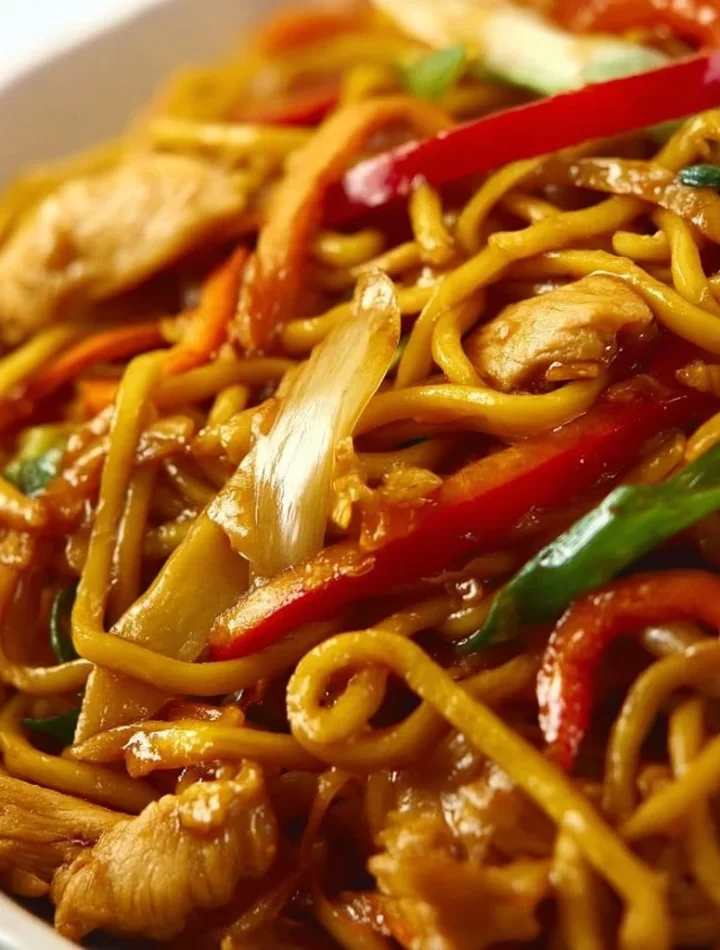
Chicken Chow Mein — A Cozy, Crunchy, Flavor-Packed Weeknight Winner
Introduction
Hey friends — Emily here, messy apron and all, ready to chat about one of my absolute kitchen go-tos: chicken chow mein. This dish hits all the cozy notes I chase in dinner: chewy noodles, crisp veggies, juicy chicken, and that glossy, savory sauce that makes everyone reach for seconds. Chow mein is comfort food with a beautiful rhythm — quick sear, hot wok, fast toss — and it’s the kind of meal you can make on a Tuesday night and feel like a cooking superstar.
I love chow mein because it’s endlessly adaptable. I toss in whatever veg needs using, swap proteins based on what’s in the freezer, and tweak the sauce to be more tangy, sweet, or salty depending on my mood. If you’re into fast, flavorful weeknight dinners, you might also enjoy my spin on Korean flavors — try my 20-minute Korean BBQ chicken with leftovers for another speedy, saucy option that’s great for meal prep.
In this post, I’ll walk you through a foolproof chicken chow mein that’s crunchy, saucy, and just a little nostalgic. I’ll share my favorite ingredient swaps, chef hacks for perfect noodles, plating tips to make it feel special, and a handful of variations so you can keep this recipe in heavy rotation. Whether you’re feeding a crowd or making a solo bowl for comfort, this recipe lands every single time. Grab your wok (or a large skillet), crank up the heat, and let’s make some noodle magic together.
Personal Story
I still remember the first chow mein I ever fell in love with — not at a fancy restaurant, but at a bustling little takeout joint near my college dorm. It arrived steaming, the noodles smelling like soy and garlic, and I swear the noodles had the best chew I’d ever tasted. There was a mix of textures — soft noodles, crisp bean sprouts, and those caramelized edges on the chicken — and it felt like a warm, exotic hug after a long day of classes.
Back then I tried to recreate it in my tiny dorm kitchen with a hot plate and a single frying pan. My first attempt was…ambitious. I overcooked the noodles into a sad mush, but I nailed the sauce. That victory dance convinced me to keep practicing. Years later, after culinary school and a lot of practice, chow mein became my ultimate weeknight hack — fast, forgiving, and wildly customizable. I now cook it whenever I need something that’s both comforting and exciting. It’s one of those recipes that carries the smell of small victories and late-night study sessions straight into my modern kitchen. Every time I make it, I get a little nostalgic for that takeout counter and a huge grin for how far my version has come.
Ingredients
- 8 oz (about 225 g) dried chow mein or egg noodles — I prefer a springy noodle with a little chew. Substitute: use spaghetti or thin lo mein noodles in a pinch; rinse under hot water to loosen.
- 1 lb (450 g) boneless, skinless chicken thighs, thinly sliced — thighs stay juicier than breasts. Substitute: chicken breast, firm tofu, or shrimp for swaps.
- 2 tablespoons soy sauce — for savory backbone. Tip: low-sodium soy sauce lets you control salt.
- 1 tablespoon oyster sauce — adds umami and depth. Substitute: mushroom stir-fry sauce for vegetarian versions.
- 1 tablespoon hoisin sauce — a touch of sweetness and complexity. Skip or reduce if you like it less sweet.
- 1 tablespoon rice wine or dry sherry — lifts flavors and adds brightness. Substitute: chicken broth + a squeeze of lemon if needed.
- 1 teaspoon sesame oil — finishing oil for toasty aroma. Do not use as the main cooking oil.
- 3 tablespoons neutral oil (canola, vegetable, or peanut) — for high-heat frying. Peanut adds a nice flavor if you tolerate nuts.
- 3 garlic cloves, minced — fresh wins. Substitute: 1/2 teaspoon garlic powder in a pinch.
- 1-inch piece fresh ginger, grated or minced — bright warmth. Substitute: 1/2 teaspoon ground ginger if desperate.
- 1 medium carrot, julienned — sweetness and color. Substitute: bell pepper or thinly sliced zucchini.
- 2 cups shredded cabbage (green or napa) — adds crunch and soaks sauce beautifully. Substitute: bok choy or extra bean sprouts.
- 1 cup bean sprouts — optional but essential for that classic crunch. Substitute: thinly sliced celery for crunch and freshness.
- 3 green onions, sliced on the bias — freshness and mild allium flavor.
- 1 tablespoon cornstarch mixed with 2 tablespoons water (slurry) — to thicken the sauce slightly and glaze the noodles.
- Salt and freshly ground black pepper — season as you go.
- .
Step-by-Step Instructions
- Prep everything first (mise en place).
- Slice the chicken thinly across the grain so it stays tender. Toss it with 1 tablespoon soy sauce and a pinch of black pepper and let it sit while you prep the vegetables. Doing this early gives the meat flavor and a quick marinade without extra time.
- Cook the noodles according to package directions, but stop 1 minute before the stated time so they remain slightly underdone — they’ll finish cooking in the wok and soak up sauce without getting mushy. Rinse under warm water to stop cooking and toss with a teaspoon of oil to prevent sticking.
- Make the sauce.
- In a small bowl, whisk together the remaining 1 tablespoon soy sauce, oyster sauce, hoisin, rice wine, and sesame oil. Taste and adjust: if you like it sweeter, add a half-teaspoon of sugar or honey; if you want more tang, a splash more rice wine helps. Set aside.
- Heat the wok or a large skillet.
- Get it hot — seriously hot. Add 2 tablespoons of neutral oil and let it shimmer but not smoke. High heat is the secret to that slightly charred, wok hei flavor. If you don’t have a wok, a very large cast-iron skillet works great.
- Cook the chicken.
- Add the chicken in a single layer, searing without touching for 45–60 seconds, then stir-frying until just cooked through and slightly caramelized (about 2–3 minutes). Remove to a plate. Don’t overcrowd the pan; work in batches if necessary. Tip: a little char on the chicken adds flavor complexity.
- Stir-fry the aromatics and vegetables.
- Return the pan to high heat and add the remaining 1 tablespoon oil. Toss in the garlic and ginger; stir for about 15–20 seconds until fragrant. Add the carrots and cabbage and stir-fry for 1–2 minutes until crisp-tender. Add bean sprouts and green onions last for 30–45 seconds to retain crunch.
- Combine everything and finish.
- Add the noodles and cooked chicken back into the wok. Pour the prepared sauce over and gently toss to combine. Let everything heat through for a minute. If the mixture seems dry, add a splash (1–2 tablespoons) of chicken broth or hot water.
- Stir in the cornstarch slurry and cook for 30–45 seconds until the sauce glazes the noodles. The slurry gives you that beautiful glossy finish that clings to every strand.
- Final touches.
- Turn off the heat and dot with a few drops of sesame oil for aroma. Taste and adjust saltiness with a little more soy sauce or a pinch of sugar to balance. Finish with a generous sprinkle of chopped green onions and, if you like, a crack of black pepper or a few chili flakes.
Chef Hacks:
- Keep noodles from clumping by tossing with oil after rinsing.
- For extra depth, add a teaspoon of toasted sesame seeds or a splash of dark soy sauce (for color) — but don’t overdo dark soy, it’s very intense.
- If you want wok hei (that smoky seared flavor), push everything to the side and let a small part of the ingredients contact the hot surface briefly to get caramelization.
Serving Suggestions
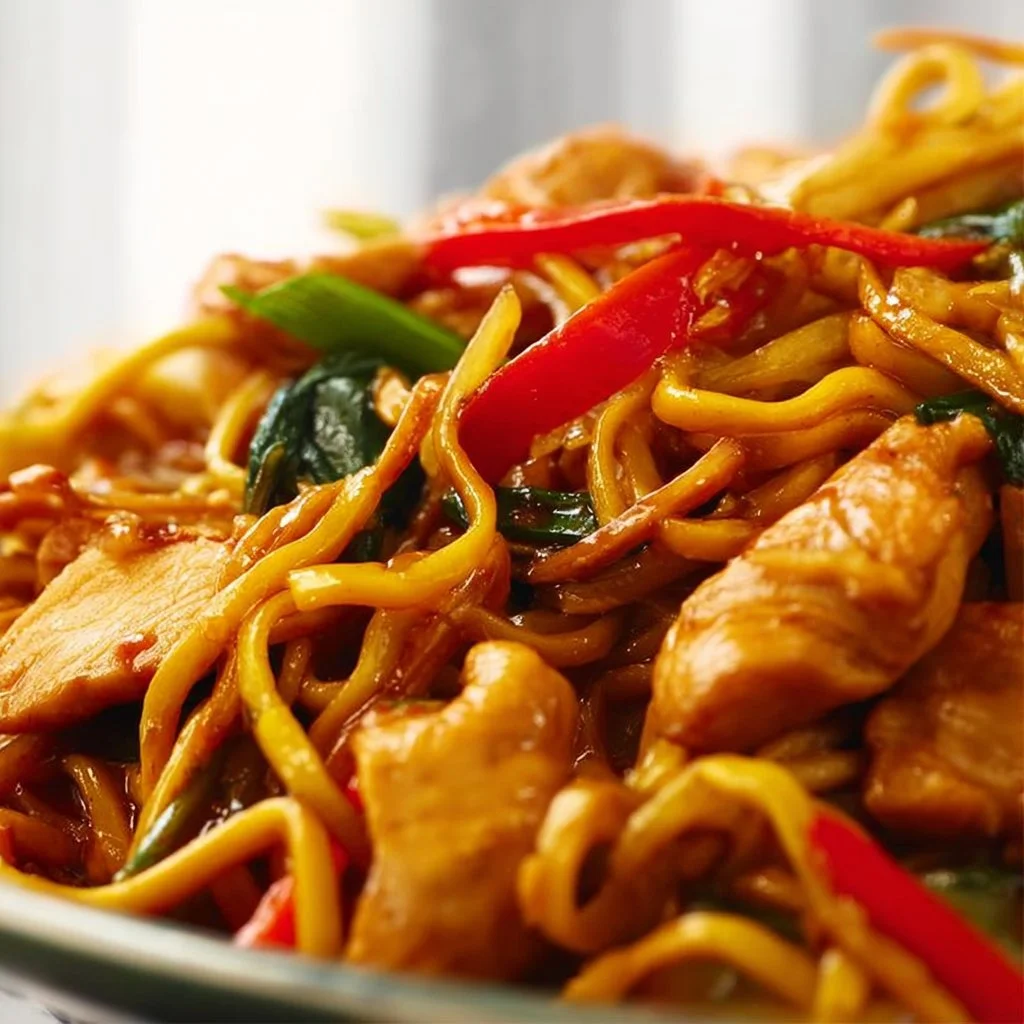
Serve chicken chow mein hot straight from the wok for the best texture contrast — glossy noodles, crisp veg, and tender bites of chicken. To plate, use a wide shallow bowl or a slightly sloping plate so the noodles spread out and cool just enough to eat comfortably. I like to mound the noodles in the center and garnish with sliced green onions and a sprinkling of toasted sesame seeds for visual contrast and a toasty crunch.
For added brightness, set out lime wedges or thin slices of fresh cucumber on the side — the cool acidity slices through the richness beautifully. A small bowl of chili oil or sriracha gives diners the option to add heat. If you’re serving family-style, put the wok or skillet in the center of the table so everyone can help themselves; nothing feels cozier than passing around chopsticks and trading bites.
Pairings:
- A chilled cucumber salad or quick pickled daikon brightens and refreshes the palate.
- Light beers, jasmine tea, or a cold Riesling complement the sweet-savory sauce without overpowering it.
- For a simple dinner, add steamed edamame or a crisp green salad with sesame-ginger dressing.
Recipe Variations
- Spicy Szechuan Chicken Chow Mein
- Add 1–2 teaspoons of Szechuan pepper oil or a tablespoon of chili crisp to the sauce. Toss in a handful of sliced bell peppers and a sprinkle of Szechuan peppercorns for numbing heat. Great if you love bold spice.
- Vegetarian / Tofu Chow Mein
- Swap the chicken for firm tofu: press it, cube it, dust lightly in cornstarch, and pan-fry until golden. Use mushroom oyster sauce or hoisin with soy to keep the umami levels high. Add shiitake mushrooms for a meaty texture.
- Shrimp & Garlic Chow Mein
- Replace chicken with peeled shrimp; shrimp cooks fast — add it in the last 1–2 minutes of stir-frying. Double down on garlic and add a squeeze of lemon before serving for bright seafood notes.
- Low-Carb Stir-Fry Twist
- Replace noodles with shredded cabbage or spiralized zucchini for a lighter, low-carb version. Reduce the sauce slightly so it doesn’t make the veg soggy.
- Crunchy Peanut Sesame Chow Mein
- Stir a tablespoon of creamy peanut butter into the sauce for richness and top with crushed roasted peanuts. Garnish with cilantro and a squeeze of lime for a Thai-inspired vibe.
Chef’s Notes
This recipe has evolved out of trial-and-error in my kitchen — and many more takeout boxes. Early versions were heavy on sauce, which soaked the noodles and killed the texture. Now, I aim for balance: just enough sauce to coat but not drown. I also learned to always cook the noodles slightly under and finish them in the pan — that’s the simple trick that keeps them springy.
A funny thing: I once tried to speed up a dinner by microwaving the chicken pre-sliced… disaster. It steamed instead of seared, and the whole dish lost its bite. Ever since, I swear by searing the protein on very high heat for texture and flavor. Also, keep the garlic and ginger moving — they burn fast at high heat but bring so much aromatic joy when treated right.
FAQs and Troubleshooting
Q: My noodles turned gummy — what happened?
- Overcooking is the usual culprit. Cook noodles 1 minute less than package directions, rinse in hot water, toss with a drizzle of oil, and finish them in the wok with the sauce. Also avoid letting them sit in sauce too long; serve immediately.
Q: The sauce is watery — how do I fix it?
- Stir in a cornstarch slurry (1 tsp cornstarch mixed with 2 tsp cold water) and bring to a bubble for 30–60 seconds. That will thicken and glaze the noodles. If you don’t have cornstarch, simmer briefly to reduce or add a small pat of butter to enrich and slightly thicken.
Q: My vegetables are limp and soggy — help!
- High heat and quick cooking are key. Slice veggies uniformly and add them in the order of cooking time (carrots before bean sprouts). Cook just until crisp-tender; they’ll retain crunch and bright color.
Q: How can I make this gluten-free?
- Use gluten-free tamari instead of soy sauce and check oyster sauce labels (many contain wheat). Use rice noodles or a gluten-free noodle and swap any other sauces for certified gluten-free options.
Nutritional Info (approximate, per serving)
A rough estimate for one of four servings (using chicken thighs and egg noodles):
- Calories: 520–600 kcal
- Protein: 30–38 g
- Carbohydrates: 55–65 g
- Fat: 18–28 g (depending on oil and cut of chicken)
- Fiber: 4–6 g
- Sodium: variable — can be high depending on soy and oyster sauces
Notes on nutrition:
- To lower calories and fat, use chicken breast, reduce oil to 1–2 tablespoons, and choose whole-grain or shirataki-style noodles.
- To lower sodium, opt for low-sodium soy sauce or tamari and taste before adding extra salt. Increasing fresh vegetables boosts fiber and volume without many calories.
- For more protein, add extra chicken or top with an egg (soft-poached or fried) to make the meal more satiating.
Conclusion
Thanks for hanging out in my kitchen — I hope this chicken chow mein becomes one of your favorite weeknight meals. It’s fast, forgiving, and endlessly adaptable, and once you master the basic rhythm of sear, toss, and glaze, you can riff on it for months. If you want another take on fast chicken dinners that’s great for leftovers and big on flavor, I highly recommend checking out this helpful reference for additional inspiration: Chow Mein – RecipeTin Eats. Keep experimenting, keep tasting, and don’t be afraid to get a little messy — that’s where the best dinners come from. — Emily
Print
Chicken Chow Mein
- Total Time: 30 minutes
- Yield: 4 servings 1x
- Diet: Non-Vegetarian
Description
A cozy, crunchy, and flavor-packed chicken chow mein that’s perfect for weeknight dinners.
Ingredients
- 8 oz (about 225 g) dried chow mein or egg noodles
- 1 lb (450 g) boneless, skinless chicken thighs, thinly sliced
- 2 tablespoons soy sauce
- 1 tablespoon oyster sauce
- 1 tablespoon hoisin sauce
- 1 tablespoon rice wine or dry sherry
- 1 teaspoon sesame oil
- 3 tablespoons neutral oil (canola, vegetable, or peanut)
- 3 garlic cloves, minced
- 1-inch piece fresh ginger, grated or minced
- 1 medium carrot, julienned
- 2 cups shredded cabbage (green or napa)
- 1 cup bean sprouts
- 3 green onions, sliced on the bias
- 1 tablespoon cornstarch mixed with 2 tablespoons water (slurry)
- Salt and freshly ground black pepper to taste
Instructions
- Prep everything first (mise en place).
- Slice the chicken thinly across the grain and toss it with 1 tablespoon soy sauce and a pinch of black pepper. Let it sit while you prep the vegetables.
- Cook the noodles according to package directions, stopping 1 minute early. Rinse under warm water and toss with a teaspoon of oil.
- Make the sauce by whisking together the remaining soy sauce, oyster sauce, hoisin, rice wine, and sesame oil. Set aside.
- Heat the wok or large skillet until hot and add 2 tablespoons of neutral oil.
- Cook the chicken in a single layer, searing for 45–60 seconds, then stir-fry until cooked through (about 2–3 minutes). Remove to a plate.
- Stir-fry the aromatics and vegetables by adding the remaining oil, garlic, and ginger. Fry for about 15–20 seconds until fragrant, then add the carrots and cabbage. Stir-fry for 1–2 minutes, then add bean sprouts and green onions for another 30–45 seconds.
- Combine everything back in the wok, pour the sauce over, and gently toss to combine. Heat through for a minute.
- Stir in the cornstarch slurry and cook for another 30–45 seconds until the sauce glazes the noodles.
- Finalize with a few drops of sesame oil, adjusting saltiness with more soy sauce if needed.
Notes
For best results, cook noodles just underdone and finish in the wok for perfect texture. Customize with your favorite veggies and proteins.
- Prep Time: 15 minutes
- Cook Time: 15 minutes
- Category: Main Course
- Method: Stir-Frying
- Cuisine: Chinese
Nutrition
- Serving Size: 1 serving
- Calories: 550
- Sugar: 5g
- Sodium: 800mg
- Fat: 20g
- Saturated Fat: 3g
- Unsaturated Fat: 15g
- Trans Fat: 0g
- Carbohydrates: 65g
- Fiber: 4g
- Protein: 30g
- Cholesterol: 100mg
Keywords: chicken chow mein, weeknight meals, stir fry, comfort food